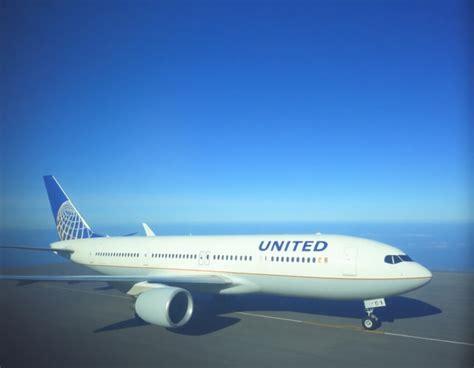
United Airlines is preparing to stretch the boundaries of commercial aviation in 2026, turning journeys that once required multiple stops into seamless, marathon nonstop flights lasting nearly 18 hours. These new ultra-long-haul routes are not marketing stunts; they are carefully engineered responses to shifting global demand, premium-heavy traffic flows, and the operational capabilities of modern widebody aircraft. With ten of the longest scheduled routes in its network, United is reinforcing its position as the most globally ambitious U.S. carrier.
The scale of United’s long-haul operation already dwarfs most competitors. In the first half of the year alone, the airline averages 148 daily long-haul departures, a figure that has climbed steadily year over year. Despite this, long-haul flying still represents only a small fraction of United’s total schedule, highlighting just how vast its domestic and short-haul footprint remains. What makes the long-haul network notable is not volume alone, but geographic reach, spanning Asia, Australasia, Europe, the Middle East, and Africa with unusual depth.
The introduction of ultra-long routes in 2026 reflects a broader strategic shift. United is focusing on city pairs with dense corporate demand, limited nonstop competition, and high tolerance for premium fares. These flights rely heavily on the Boeing 787-9 and 777-300ER, aircraft optimized for efficiency, range, and passenger comfort on sectors that push the physiological and operational limits of flight.
United Airlines and the Rise of 18-Hour Nonstop Routes
United’s longest flights are ranked by maximum block time, measured from chocks-off to chocks-on, the same metric displayed in airline reservation systems. At the top of the list is San Francisco to Singapore, timed at up to 17 hours and 40 minutes. This single route is nearly three-quarters of an hour longer than the longest comparable service flown by a major U.S. rival, underscoring how aggressively United is leaning into the ultra-long-haul niche.
These ten routes are not evenly distributed across the network. San Francisco dominates, serving as United’s primary Pacific gateway and the largest U.S. origin point for several of its longest services. Los Angeles, Newark, Houston Intercontinental, and Washington Dulles round out the list, each acting as strategic hubs feeding high-value international traffic.
The Ten Longest United Airlines Flights Explained
The longest of United’s routes connect the U.S. West Coast and major global business centers in Asia and Australia, while East Coast hubs link directly to South Asia and Africa. San Francisco–Singapore leads the ranking, followed closely by Houston–Sydney and Delhi–Newark. Southern Africa features prominently, with Johannesburg–Newark and Cape Town–Washington Dulles reflecting United’s expanding African presence.
Several Asia-Pacific routes operate multiple daily frequencies, signaling strong and consistent demand. Los Angeles–Hong Kong and San Francisco–Hong Kong each sustain two daily services, while Melbourne and Adelaide have joined the network as ultra-long destinations served nonstop from the U.S. mainland. These flights are not experimental; many are already operating with seasonal adjustments and frequency increases planned for 2026.
San Francisco to Singapore: United’s Longest and Most Strategic Route
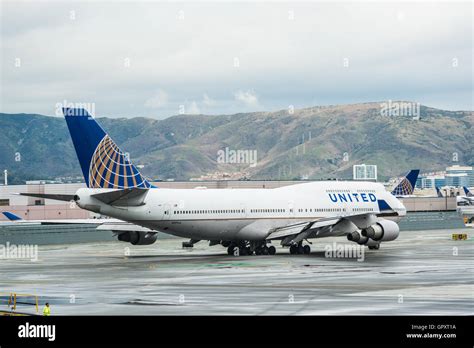
The San Francisco–Singapore nonstop is more than just United’s longest flight; it is a case study in how ultra-long-haul routes can succeed when aligned with the right market. Historically, United served Singapore via one-stop routings through Hong Kong and later Tokyo Narita, relying on aircraft like the Boeing 747-400 and 777-200ER. Those services disappeared by 2006, reflecting the limitations of aircraft range and economics at the time.
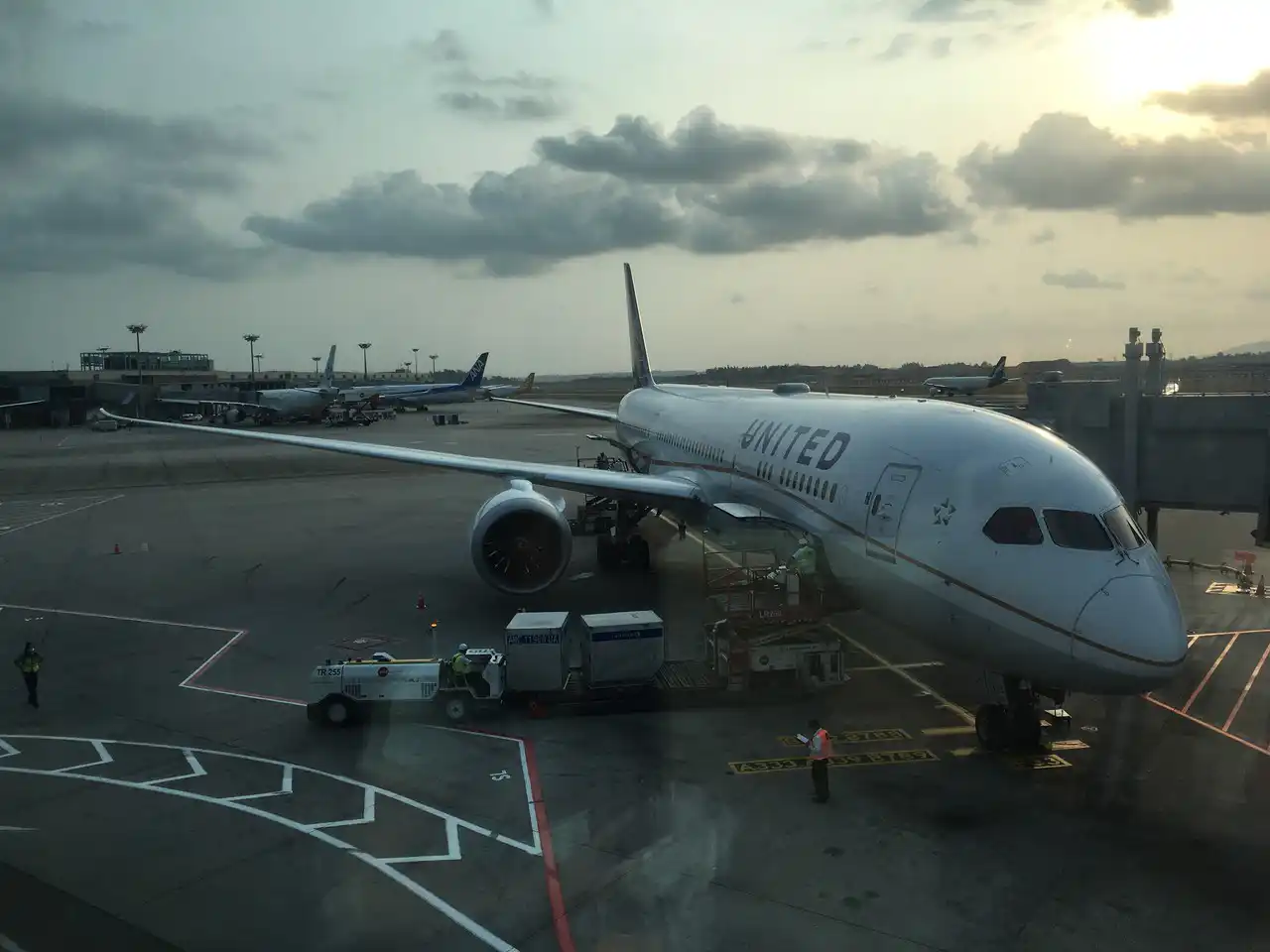
Everything changed in 2016 with the launch of the first nonstop San Francisco–Singapore flight using the Boeing 787-9. The route proved resilient, and by 2022 frequencies doubled to twice daily, partially offsetting the earlier cancellation of United’s Los Angeles–Singapore service. Today, San Francisco stands as the largest local U.S. market to Singapore, outperforming even Los Angeles in both passenger volume and yield.
Premium Demand, High Fares, and Competitive Pressure
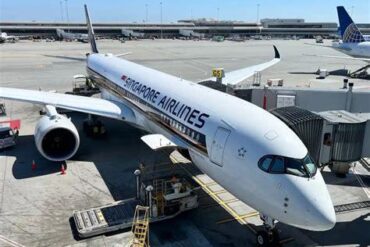
What truly sustains this 17-hour-plus flight is premium demand. Average one-way fares across all cabins hover near $1,970, a figure that reflects a heavy mix of business travelers, technology executives, and high-yield leisure passengers. United shares the route with Singapore Airlines, which also operates twice daily using the Airbus A350-900, creating one of the most competitive and premium-dense long-haul markets in the world.
Load factor data reinforces the route’s strength. United carried approximately 292,000 round-trip passengers between San Francisco and Singapore over a recent twelve-month period, filling 78% of available seats. While slightly below United’s average load factor for Asia from San Francisco, this performance is balanced by exceptional yields. The route ranks among United’s busiest Asian markets from Northern California, trailing only Hong Kong, Taipei, and Seoul.
What These Ultra-Long Flights Signal for 2026 and Beyond
United’s expansion into nearly 18-hour nonstop flights is not simply about endurance; it is about network efficiency and competitive differentiation. By eliminating intermediate stops, the airline captures time-sensitive travelers willing to pay for convenience and reliability. These routes also strengthen United’s Star Alliance connectivity, linking major alliance hubs with minimal friction.
Operationally, ultra-long-haul flying demands meticulous planning, from crew scheduling to fuel optimization and onboard service design. United’s consistent reliance on the 787-9 suggests confidence in the aircraft’s ability to deliver both comfort and economics over extreme distances. As newer aircraft variants and cabin upgrades enter the fleet, these flights are likely to become even more central to United’s global strategy.
In 2026, United Airlines will not merely operate some of the world’s longest nonstop flights; it will normalize them. By anchoring its network around ultra-long-haul routes that combine scale, premium demand, and strategic hub connectivity, United is reshaping expectations of what nonstop international travel from the United States can look like in the modern aviation era.