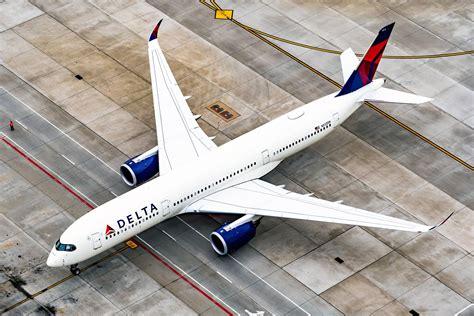
Delta Air Lines is preparing for a record-breaking transatlantic schedule in 2026, announcing new routes and reshaping its European network with its most ambitious footprint in nine years. The airline confirmed that it will launch service to Malta, Olbia, and Porto, destinations that highlight both strategic leisure demand and competitive positioning. By July 2026, Delta will serve 28 European airports, supported by an average of 99 daily departures across the Atlantic, the largest peak summer program in its recent history.
This development marks a continuation of Delta’s push to strengthen its presence in Southern Europe, a region increasingly favored by North American travelers seeking both cultural exploration and leisure escapes. The addition of Olbia in Sardinia represents the first scheduled North American service to the Italian island, while Malta joins the network as an unprecedented transatlantic link for U.S. travelers. Porto, already a fast-growing hub in Portugal, will become even more competitive with the entry of Delta, a move likely to unsettle TAP Air Portugal, which has cultivated the city as a strategic base.

New Routes Define Delta’s Ambition
The airline’s expansion hinges on three key new routes from New York-JFK, each tailored to capture a different segment of demand.
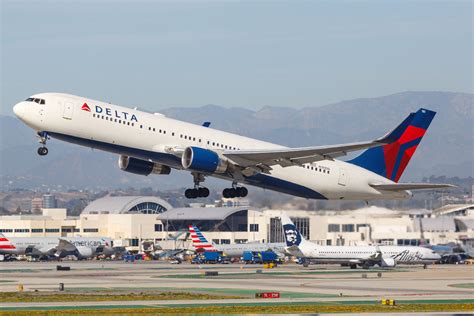
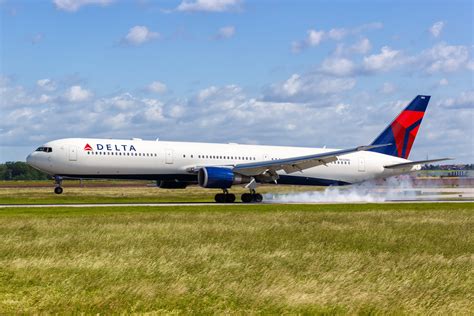
- New York JFK – Olbia (Sardinia, Italy): Beginning May 20, 2026, Delta will deploy a Boeing 767-300ER three times weekly. This service positions Delta as the first U.S. airline to connect Sardinia directly, appealing to luxury leisure travelers drawn to the island’s famed Costa Smeralda.
- New York JFK – Porto (Portugal): Launching May 21, 2026, with daily 767-300ER flights, this route underlines Delta’s competitive stance in Portugal, where U.S. demand has surged post-pandemic. Porto is now a critical secondary gateway alongside Lisbon.
- New York JFK – Malta: Starting June 7, 2026, three weekly flights will connect the U.S. with Malta for the first time. The route underscores Delta’s ability to identify emerging Mediterranean hotspots for both leisure and diaspora markets.
Each of these routes benefits from financial support and risk-sharing agreements with local tourism bodies and airports, a common mechanism in route development to mitigate early-stage risks.

Italy: Delta’s Stronghold in Southern Europe
Italy remains at the center of Delta’s European strategy. With the addition of Olbia, Delta will serve six Italian cities in 2026, surpassing both United Airlines (five cities) and American Airlines (four cities). The airline’s average of 16 daily departures to Italy will outpace any competitor, solidifying its dominance in the transatlantic Italy market.
This expansion builds on Delta’s recent introduction of service to Catania in Sicily, launched in May 2025, which opened yet another Mediterranean destination with direct U.S. access. The combination of Rome, Milan, Venice, Naples, Catania, and now Olbia illustrates a layered Italian network that caters to both mainstream and niche travel demand.

Shifts in Network Priorities: Exits and Adjustments
While Delta is growing in Southern Europe, it is simultaneously retreating from select Northern and Central European markets. The airline ended London Gatwick service in September 2025 and will cease flying to Geneva in October 2025, citing weakened demand and economic headwinds, including falling Swiss visitor numbers to the U.S. and new pharmaceutical tariffs affecting corporate travel flows.
Additionally, flights to Brussels will be reduced by half, reflecting Delta’s recalibration of its secondary European markets. Stuttgart was already withdrawn in 2024, with its Atlanta flights discontinued after years of underperformance. These decisions show how Delta is rebalancing its network, prioritizing leisure-heavy destinations where U.S. travelers continue to drive strong growth.

Record-Breaking Summer 2026 Schedule
Delta’s July 2026 program represents an unprecedented high point in its transatlantic operations. The airline is planning 99 daily European departures, with nearly a third of them directed toward Southern Europe. Compared to July 2019, before the pandemic, this marks a 78% increase in services to the region, underscoring how demand patterns have shifted southward.
Delta will serve 12 Southern European cities, up from its previous record of nine. These include Athens, Rome, Milan, Venice, Naples, Catania, Olbia, Barcelona, Madrid, Malaga, Porto, and Malta. Together, they form a robust Mediterranean-focused portfolio, appealing not only to leisure travelers but also to U.S. citizens visiting relatives in these culturally connected regions.
Competitive Landscape and Industry Implications
Delta’s expansion is not occurring in isolation. Its rivals are also investing in Southern Europe, fueling heightened competition. United Airlines has added Bilbao, Faro, Funchal, and Palermo, while Air Canada is preparing to launch Palma de Mallorca services. For passengers, this surge of capacity translates into lower fares and increased travel options, but for carriers, it intensifies the battle for market share in secondary European gateways.
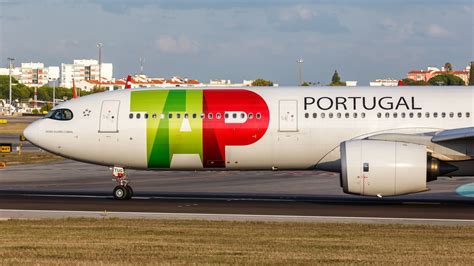
TAP Air Portugal, in particular, faces pressure. Porto, long nurtured as a secondary hub, will now see two U.S. carriers competing head-to-head. The presence of Delta disrupts TAP’s pricing power and threatens its hold on lucrative U.S.-Portugal traffic flows. Similarly, Malta’s entry into the U.S. route map could challenge European carriers like Lufthansa and Turkish Airlines, which have long funneled transatlantic passengers into the island via connecting hubs.
Why Southern Europe Is the New Battleground
The focus on Southern Europe reflects a structural shift in U.S.-Europe travel demand. Leisure markets have rebounded stronger than corporate-heavy routes, with travelers prioritizing culture-rich, sun-drenched, and family-friendly destinations. The resilience of the Mediterranean market—bolstered by VFR (visiting friends and relatives) traffic and rising American interest in secondary cities—has convinced airlines to double down.
For Delta, the strategic rationale is clear: maximize load factors during peak summer while diversifying beyond traditional hubs like London Heathrow, Paris Charles de Gaulle, and Amsterdam Schiphol. By capturing high-margin leisure flows to places like Malaga, Olbia, and Malta, Delta can offset seasonal fluctuations and reinforce its image as the most versatile U.S. transatlantic operator.
The Importance of New York JFK as a Gateway
Central to Delta’s transatlantic success is New York JFK, which remains the airline’s largest widebody airport and primary gateway to Europe. The airport will handle all three of the new routes, further consolidating its role as Delta’s crown jewel in transatlantic operations.
JFK’s geographic location provides access to both leisure and corporate markets, but more importantly, it allows Delta to feed transatlantic flights with domestic connections from across the U.S. With the support of joint venture partners Air France-KLM and Virgin Atlantic, Delta strengthens its ability to offer onward connections deeper into Europe.

Looking Ahead: Risks and Opportunities
While Delta’s 2026 expansion is ambitious, it is not without risk. Long-haul leisure demand is highly seasonal, and the profitability of thinner routes like Malta and Olbia depends on sustained traveler interest and strong yield management. Currency fluctuations, geopolitical tensions, and economic slowdowns in either Europe or the U.S. could affect booking trends.
Nonetheless, Delta has historically shown a willingness to experiment with niche European markets, often withdrawing quickly if performance falters. Its pullout from Stuttgart and Geneva demonstrates a pragmatic approach: grow aggressively where demand exists, but cut losses without hesitation. This agility allows Delta to stay competitive while continuously refreshing its European portfolio.
Conclusion: Delta’s Boldest Summer in a Decade
By the summer of 2026, Delta Air Lines will operate its largest European network in nine years, connecting North America to 28 airports across the continent. The addition of Malta, Olbia, and Porto not only expands choice for U.S. travelers but also reshapes competitive dynamics in the Mediterranean.
Southern Europe has emerged as the epicenter of transatlantic growth, and Delta is positioning itself at the forefront of this trend. With an expanded Italian portfolio, record departures to the region, and a strong base at JFK, Delta is executing a strategy that blends opportunistic leisure demand with careful network recalibration.
For travelers, the result is greater accessibility to some of Europe’s most enchanting destinations. For competitors, it signals an intensifying battle for the Mediterranean skies. And for Delta, it marks the return of its boldest, most diversified European schedule in nearly a decade.