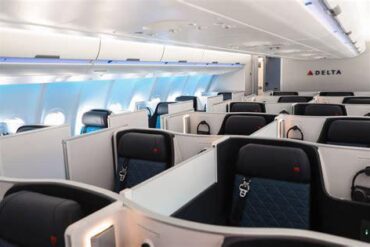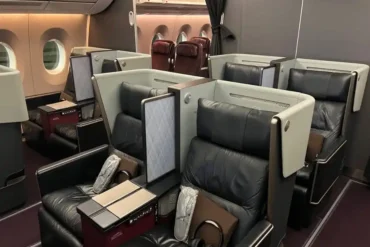
Delta Air Lines, a cornerstone of American aviation, has intensified its domestic operations this December with a noteworthy 9.8% increase in widebody flights, reaching 2,561 services across the U.S. This surge, driven by robust demand and strategic fleet utilization, reflects Delta’s dual commitment to capacity optimization and passenger experience. The expanded network leverages six aircraft types from three families, offering over 590,000 domestic widebody seats, a figure that underscores the airline’s aggressive approach to network efficiency and comfort.
Boeing 767: The Backbone of Delta’s Domestic Widebody Fleet
Dominating the landscape is the Boeing 767 family, responsible for an overwhelming 1,962 of the total widebody flights. These services are split between two variants: 767-300ER and 767-400ER.
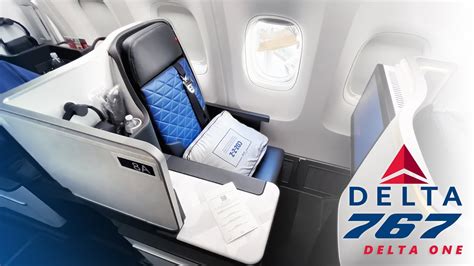
The Boeing 767-300ER, with 1,773 operations, is the workhorse of Delta’s widebody domestic agenda. Its prominence is most visible on the JFK-LAX transcontinental route, with 208 eastbound and 209 westbound flights, averaging nearly seven daily frequencies. This corridor, historically competitive and high-yield, continues to anchor Delta’s transcon strategy. The 767-300ER’s range and seating layout allow Delta to balance frequency and comfort, while future upgrades such as Delta Sync seatback entertainment—slated for rollout in 2026—will further enhance its onboard product.
In parallel, the 767-400ER supports 189 domestic flights. This stretched variant primarily connects Atlanta (ATL) to New York JFK, a route of strategic corporate importance, with daily rotations. Additional key deployments include Atlanta to Miami (28 flights) and Atlanta to Los Angeles (26 flights). The aircraft’s cabin size and cargo capabilities make it a vital asset for hub-to-hub movements and high-demand trunk routes.
Airbus A330: Versatility Across Generations
Delta’s reliance on the Airbus A330 family adds a layer of flexibility to its domestic operations. Three distinct variants—the A330-200, A330-300, and A330-900neo—collectively power a significant share of widebody traffic this month.
The A330-300, from the A330ceo generation, leads Airbus widebody usage with 401 flights in December. Most notably, it connects Los Angeles and JFK daily, reinforcing Delta’s transcontinental density. The type is also active on long U.S. domestic legs such as Atlanta and Minneapolis to Honolulu, routes where both range and payload are critical. Its generous seating configuration and cargo hold make it ideal for such services, blending operational efficiency with comfort.
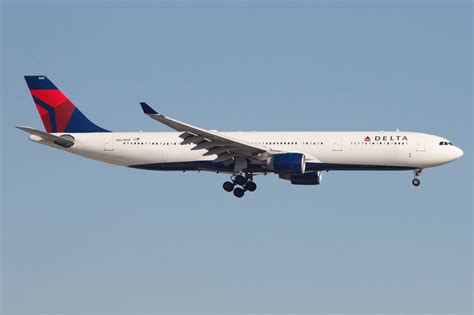
The A330-200, though less prolific, still performs 73 domestic flights, mainly on the JFK-LAX corridor (59 of the total). This smaller, long-range aircraft also supports services like Atlanta to Orlando and JFK to Salt Lake City, proving its utility in a range of missions that demand reach and right-sizing.
Meanwhile, the A330-900neo, the newest in the fleet, brings state-of-the-art technology and fuel efficiency to the network. With an average fleet age of just 3.1 years, these jets account for 38 flights this month, led by Phoenix to Atlanta (15 round trips). The presence of the A330neo on domestic routes is a strategic move, often tied to fleet rotation, training, or high-demand scenarios. Other cities served include Detroit and Tampa, reflecting the model’s growing footprint in Delta’s domestic blueprint.
A Rare Sight: Airbus A350 on Domestic Routes
Perhaps the most intriguing aspect of this operational picture is the deployment of the Airbus A350-900—Delta’s flagship long-haul aircraft—on 87 domestic flights in December. Traditionally reserved for intercontinental sectors, the A350’s presence on internal U.S. routes represents a calibrated use of spare capacity or repositioning logic.
A commanding 66 of these flights link Atlanta with Los Angeles, illustrating the route’s strategic importance and the necessity for high-capacity, premium-equipped aircraft. Additional appearances include Atlanta to Salt Lake City, Honolulu, Detroit, Minneapolis, Orlando, and Phoenix, along with westbound services from LAX to Detroit and Minneapolis.
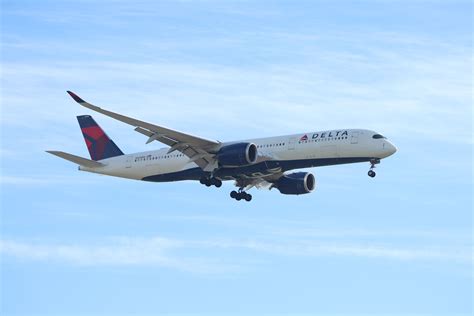
The A350, with its superior cabin pressurization, quieter ride, and next-gen fuel economy, provides domestic passengers with a long-haul experience on shorter hops—an often unexpected but welcome upgrade. The average age of these aircraft sits at just over 5 years, ensuring passengers enjoy modern interiors and advanced in-flight technology.
Strategic Implications of Increased Widebody Use Domestically
This 10% spike in widebody usage reflects a confluence of network optimization, aircraft availability, and premium demand. Delta is not merely shuttling larger jets on short routes; it is executing a deliberate plan to maximize:
- Fleet utilization during international off-peaks
- High-yield premium traffic on trunk corridors
- Operational efficiency on transcontinental and Hawaii services
These domestic widebody deployments also serve operational purposes beyond revenue. Crew training, fleet familiarization, and maintenance positioning are all enabled by intra-U.S. flying.
Moreover, the move signals confidence in demand resilience. With over 590,000 widebody seats available this month alone—an 8.8% year-over-year increase—Delta is responding to robust customer appetite for comfort and frequency, especially on premium-heavy routes like JFK-LAX and ATL-LAX.
Delta’s Widebody Mix: Balancing Age and Innovation
As Delta’s fleet approaches the 1,000 aircraft milestone, the composition and deployment of widebody jets remain key to its fleet harmonization strategy. The blend of older but reliable aircraft like the 767-300ER with ultra-modern designs like the A330-900 and A350-900 reflects a philosophy of strategic renewal rather than wholesale replacement.
Delta continues to invest in onboard experiences, with Delta Sync seatback rolling out across its narrowbody and soon-to-be widebody fleet. The integration of consistent tech across aircraft types is central to the carrier’s commitment to a seamless customer journey, regardless of aircraft.
Conclusion: Delta Reinforces Its Domestic Edge
With over 2,500 widebody flights traversing the U.S. this December, Delta has underscored its role not just as an international powerhouse, but as a domestic giant leveraging international-grade aircraft. The deployment of six widebody types—from the legacy Boeing 767s to the flagship A350—redefines what passengers can expect on U.S. soil.
This strategy positions Delta as a leader in the space between fleet sophistication and customer satisfaction. In an industry where capacity, flexibility, and brand differentiation matter more than ever, Delta’s domestic widebody surge is not just a statistical bump—it’s a strategic statement.
From coast-to-coast showdowns to Pacific island hauls, Delta’s widebody routes have never been more critical—or more comfortable. December 2025 is shaping up to be a milestone month, and passengers nationwide are already reaping the benefits.