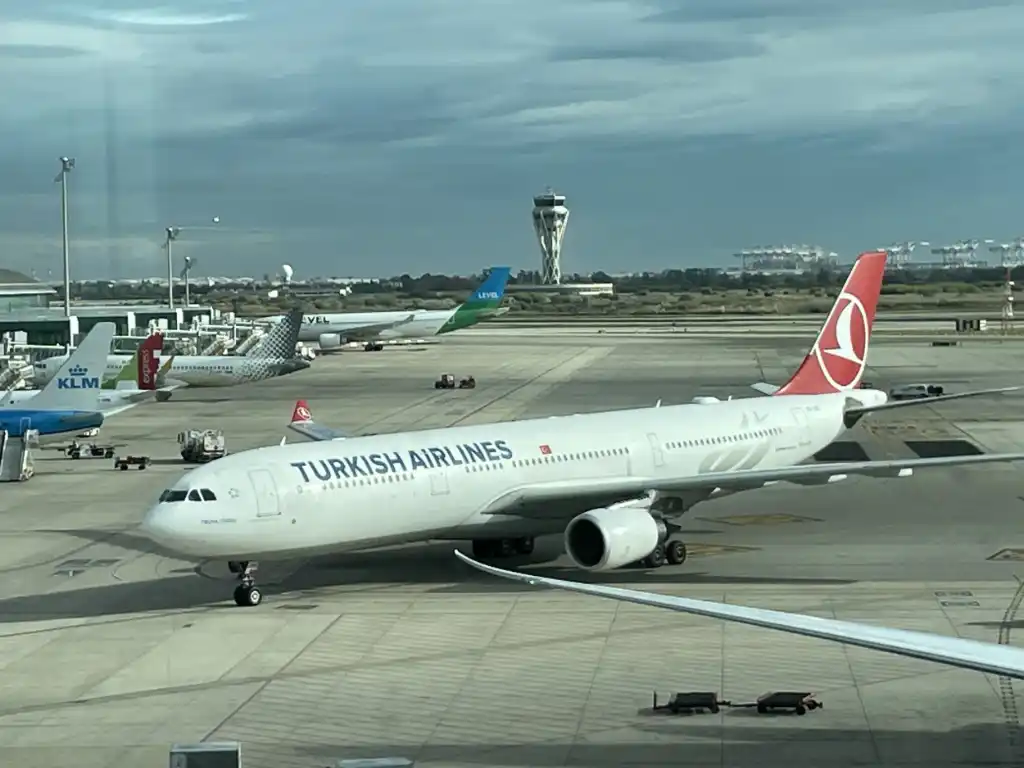
The surge in intra-Europe widebody flights this December marks another dynamic moment for the continent’s aviation landscape, where seasonal demand, strategic fleet deployment, and growing fifth-freedom operations converge. December’s travel intensity pushes several carriers to allocate their largest aircraft to short-haul routes, creating a rare but strategically powerful movement across Europe’s crowded skies. According to Cirium schedules, 3,679 intra-Europe widebody flights are planned this month—yet only a handful of airlines dominate this unique operational niche.
Turkish Airlines maintains an unshakeable hold over the region’s widebody activity, accounting for more than 58.9% of all intra-Europe widebody flights planned for December. With 2,168 widebody services, the carrier deploys its Airbus A330-300, A330-200, A350-900, Boeing 787-9, and 777-300ER across high-density regional demand patterns stemming from its vast Istanbul hub.
The A330-300 emerges as the airline’s workhorse, particularly on the heavily trafficked Istanbul–Moscow Vnukovo (VKO) route, where it operates nearly four times daily. The same aircraft supports twice-daily frequencies to Amsterdam, while the 777-300ER remains key for domestic high-demand links such as Istanbul–Izmir, demonstrating how the airline leverages its long-haul hardware for short-haul efficiency.
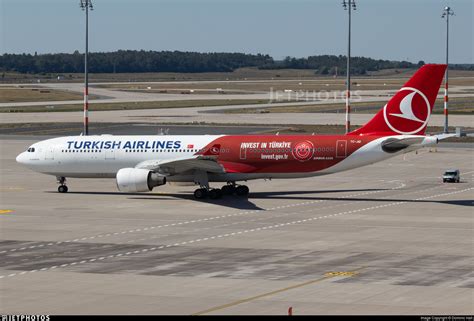
This strategy aligns with the carrier’s emphasis on fuel efficiency, high passenger comfort, and strong cargo uplift—factors that make widebodies ideal for select short-range markets experiencing significant seasonal surges. With Turkey increasingly serving as a global transit hub, the deployment underscores how short-haul widebody flying complements the airline’s long-haul dominance.
Air Europa Rises as a Notable Contender
While Turkish Airlines commands the majority, Air Europa stands firm in second place with 306 intra-Europe widebody flights, translating to roughly 8.32% of the market. The Spanish carrier relies exclusively on its Boeing 787 Dreamliner fleet, which features both the 787-8 and 787-9 variants, offering between 296 and 339 seats depending on configuration.
Domestic demand remains a prime catalyst, with the carrier’s top intra-Europe widebody route being the twice-daily Madrid–Barcelona service—an unusually short but strategically significant deployment of a long-range aircraft. Additional Dreamliner flights connect Madrid with Amsterdam and Istanbul daily, while leisure-heavy destinations such as Gran Canaria and Tenerife receive lower but consistent frequencies.
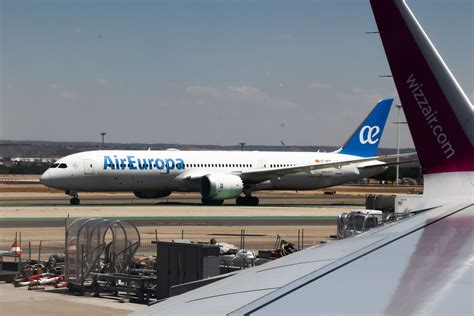
Air Europa’s decision to utilize widebodies on these routes reflects both strong year-end demand and the airline’s operational model, which benefits from high fleet utilization and the ability to reposition long-haul aircraft efficiently. Its growing Dreamliner fleet—currently 29 strong, with more on order—positions the carrier to maintain or expand its intra-European presence during high-demand windows.
Southwind Airlines Adds Depth to Regional Widebody Activity
The third-largest operator, Southwind Airlines, contributes 271 intra-Europe widebody flights, primarily using the Boeing 777-300 paired with a smaller allocation of A330-200 aircraft. Though not as internationally recognized as the top two carriers, Southwind’s presence demonstrates the emerging role of Russian and leisure-focused carriers in Europe’s widebody ecosystem.
Its flagship intra-European service connects Moscow Sheremetyevo (SVO) and Antalya (AYT), a route that operates up to three times daily. This corridor illustrates a market shaped not only by passenger demand but also by robust cargo needs and the geographical dynamics linking Russia and Türkiye during peak travel seasons.
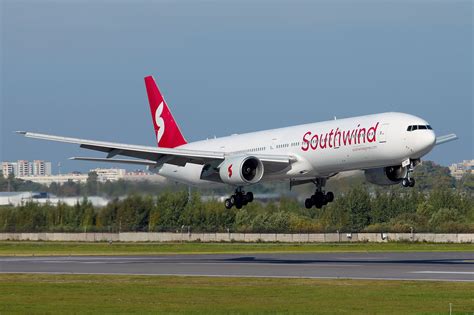
The airline’s reliance on the 777-300, a high-capacity twin-aisle jet typically assigned to intercontinental routes, signals a deliberate response to the dense flow of passengers traveling between Russia and key Mediterranean gateways, particularly during holiday periods when leisure and visiting-friends-and-relatives (VFR) travel surges.
Ethiopian Airlines Strengthens Fifth-Freedom Widebody Presence
Although originating from Africa, Ethiopian Airlines secures its position among Europe’s top intra-European widebody operators through an impressive schedule of fifth-freedom flights. These services originate from Addis Ababa and continue between two European destinations, offering an alternative network powered by A350s, 777s, and 787s.
The daily Stockholm–Oslo route stands as Ethiopian’s most prominent intra-European pairing, supported by its mix of modern long-haul aircraft. The airline’s fifth-freedom model not only extends its global connectivity but also enriches the European market with additional widebody capacity that aligns with the high levels of winter travel demand.
A December Defined by Strategic Fleet Deployment
The spike in intra-European widebody flights this December highlights how airlines adapt their fleets to short-term market pressures, optimizing widebodies for both people and cargo during one of the busiest periods of the year. Whether driven by network strategy, aircraft availability, or seasonal demand, these deployments reveal a fascinating layer of Europe’s complex aviation ecosystem.
While Turkish Airlines remains firmly at the top, carriers like Air Europa, Southwind, and Ethiopian continue to shape the landscape with their distinctive fleet strategies and operational priorities. Their collective activity reinforces how widebodies—though designed for long-range missions—play a vital role in Europe’s interconnected short-haul environment when the season calls for it.