The modern airline industry is defined by a relentless pursuit of efficiency, sustainability, and operational performance. Widebody aircraft—large twin-aisle jets designed for long-haul travel—sit at the center of that transformation. Over the last decade, technological leaps from manufacturers such as Airbus and Boeing have reshaped airline economics, enabling carriers to cut fuel consumption, reduce emissions, and expand global networks with unprecedented efficiency.
Aircraft such as the Boeing 787 Dreamliner and Airbus A350 have redefined expectations for long-haul travel. These advanced widebody jets consume roughly 20–25% less fuel per seat than the older aircraft they replace, including the Boeing 777-200, Airbus A330-200, and Airbus A340 family. Their lightweight composite structures, aerodynamic wings, and next-generation engines allow airlines to fly farther while burning less fuel—an essential advantage in an industry where fuel expenses can account for approximately one-quarter of total operating costs.
For airlines navigating increasing environmental regulations and the long-term goal of net-zero aviation emissions, investing in modern widebody fleets is no longer optional. However, the cost of acquiring these aircraft is immense. Only financially strong and strategically focused airlines can modernize their fleets at scale. Around the world, a select group of carriers has taken the lead, building widebody fleets that combine cutting-edge aircraft technology with long-term operational strategy.
Among global airlines, seven carriers stand out for their commitment to efficiency: Lufthansa Group, Turkish Airlines, Delta Air Lines, Emirates, All Nippon Airways (ANA), Singapore Airlines, and Qatar Airways. Each has invested heavily in next-generation aircraft, transforming their long-haul operations and shaping the future of global aviation.
Lufthansa Group: A Massive Widebody Modernization Strategy
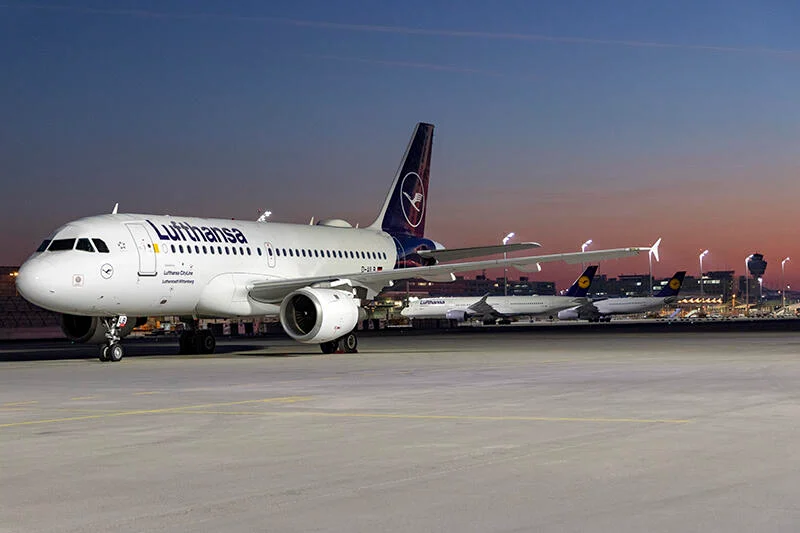
Europe’s largest airline group is undertaking one of the most ambitious widebody modernization programs in the aviation industry. Lufthansa Group has recognized that aging aircraft are no longer compatible with its long-term financial and environmental goals. As a result, the airline is systematically replacing several legacy aircraft types while dramatically expanding its fleet of efficient widebody jets.
By 2028, Lufthansa plans to retire a significant number of older aircraft, including:
- Airbus A340-300
- Airbus A340-600
- Airbus A330-200
- Boeing 767-300
- Boeing 747-400
- Boeing 777-200
These aircraft were once the backbone of the airline’s long-haul network but are now far less efficient compared with modern alternatives.
Instead, Lufthansa is investing heavily in Airbus A350s and the next-generation Boeing 777X, two aircraft designed to deliver major efficiency improvements. The airline has ordered 20 passenger Boeing 777X aircraft, which are expected to replace aging Boeing 747-400s while offering substantially improved fuel burn and passenger comfort.
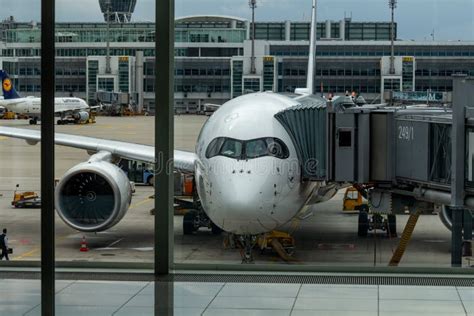
At the same time, the Airbus A350-900 has become the cornerstone of Lufthansa’s modernization effort. The aircraft offers excellent fuel efficiency, reduced maintenance requirements, and improved range flexibility—making it an ideal replacement for the A340 fleet.
In total, Lufthansa expects to receive over 230 new aircraft within four years, increasing its widebody fleet size by approximately 20% while simultaneously simplifying operations. Fewer aircraft types mean lower costs for pilot training, maintenance, spare parts, and scheduling, improving productivity across the entire network.
Turkish Airlines: Building One of the World’s Most Ambitious Widebody Fleets
Over the past decade, Turkish Airlines has quietly built one of the most aggressive fleet expansion programs in global aviation. Anchored by its powerful hub at Istanbul Airport, the airline is positioning itself as a major global connector between Europe, Asia, Africa, and the Americas.
Central to this strategy is a rapidly expanding fleet of Airbus A350 aircraft. Turkish Airlines currently operates 30 A350-900s, and remarkably, these jets have an average age of just 2.5 years, making them among the youngest widebody fleets anywhere in the world.
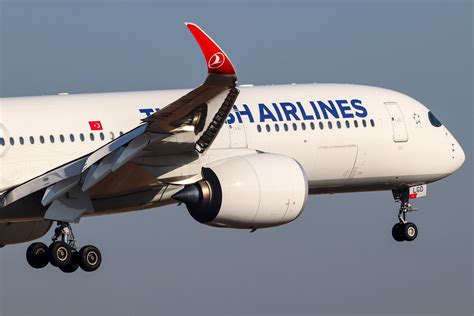
The airline’s ambitions go far beyond its current fleet. Turkish Airlines has placed an enormous order for 110 Airbus A350 aircraft across multiple variants, ensuring that the A350 will dominate its long-haul fleet well into the future.
When combined with its Boeing widebody orders, Turkish Airlines expects to operate approximately 250 modern widebody aircraft by 2030.
Efficiency improvements are only part of the strategy. Turkish Airlines is also upgrading the passenger experience across its fleet. Future A350 deliveries will feature:
- Private business class suites with sliding doors
- Premium economy cabins
- Gate-to-gate Wi-Fi connectivity
- Advanced streaming entertainment systems
Even older aircraft such as the Boeing 777-300ER are receiving interior upgrades to maintain consistency across the network. The result is a fleet strategy that balances operational efficiency with premium revenue generation.
Delta Air Lines: Reliability Through Advanced Airbus Widebodies
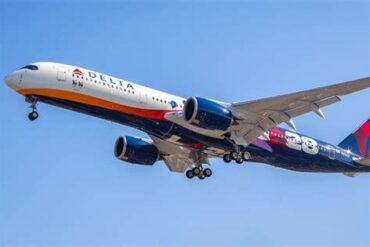
Among major U.S. carriers, Delta Air Lines has distinguished itself by embracing a highly modern widebody fleet strategy centered on Airbus aircraft. The airline’s Airbus A350-900 fleet represents one of the most reliable and efficient long-haul operations in North America.
Delta currently operates 39 Airbus A350-900s, with the fleet averaging approximately 5.5 years in age. These aircraft have achieved an impressive 99% dispatch reliability rate, a critical metric that measures how often an aircraft departs without delays due to technical issues.
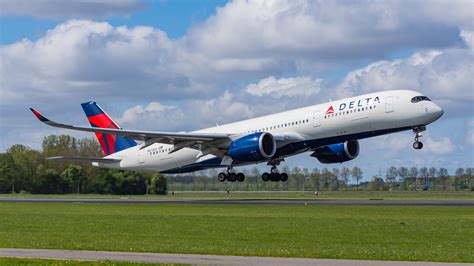
High reliability allows Delta to operate efficiently at slot-restricted airports, where delays can be costly and difficult to recover from. Key destinations such as London Heathrow and Tokyo Haneda demand precise scheduling, making dependable aircraft essential.
Delta plans to further expand its A350 fleet with additional A350-900 and A350-1000 deliveries, reinforcing its commitment to fuel-efficient long-haul operations.
Beyond aircraft technology, Delta is also leading the industry in sustainable aviation fuel (SAF) adoption. Through partnerships with Airbus and fuel producers, the airline aims to reach 10% SAF usage by 2030, significantly reducing lifecycle carbon emissions across its network.
Emirates: Balancing Legacy Giants With Next-Generation Jets
Few airlines are as synonymous with widebody aircraft as Emirates, the Dubai-based global carrier that built its network around massive long-haul aircraft.
For years, the airline relied heavily on two iconic jets:
- Airbus A380 superjumbo
- Boeing 777-300ER
Today, Emirates operates 92 Airbus A380s and 118 Boeing 777-300ERs, forming one of the largest widebody fleets in the world.
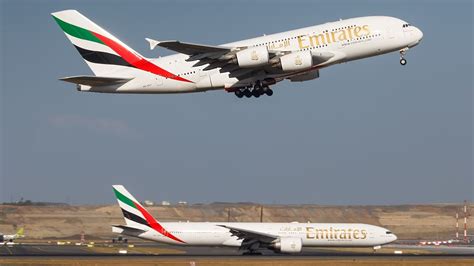
While these aircraft remain central to Emirates’ network, the airline is now transitioning toward newer models that promise dramatically improved efficiency.
The carrier has placed the largest order for Boeing 777X aircraft, totaling 270 jets across the 777-8 and 777-9 variants. These aircraft are expected to replace aging 777s while delivering major fuel savings.
In the meantime, Emirates has introduced both Airbus A350s and Boeing 787 Dreamliners into its fleet. The A350 alone consumes roughly 25% less fuel than older 777-300ER aircraft, making it ideal for medium-to-long-haul routes that do not require the extreme capacity of the A380.
Although the airline still operates several older aircraft types, its enormous future orders ensure that Emirates will eventually transition to one of the most efficient widebody fleets in aviation history.
All Nippon Airways: The World’s Largest Dreamliner Operator
Japan’s All Nippon Airways (ANA) holds a unique place in aviation history as the launch customer for the Boeing 787 Dreamliner. The airline ordered the aircraft in 2004 and received the first delivery in 2011, placing it at the forefront of next-generation widebody operations.
Since then, ANA has built its long-haul strategy almost entirely around the Dreamliner family. Today the airline operates 88 Boeing 787 aircraft, making it the largest Dreamliner operator in the world.
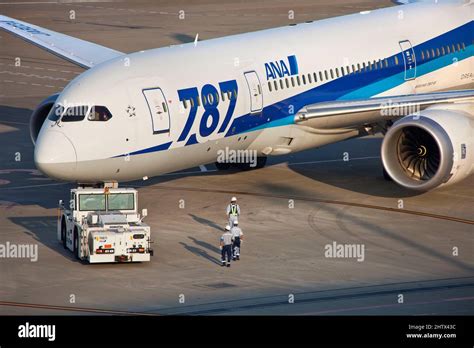
The flexibility of the 787 family allows ANA to serve a wide range of routes:
- 787-8: Used heavily on high-frequency domestic routes within Japan
- 787-9: Deployed on long-haul routes to Europe and North America
- 787-10: Used on high-capacity international routes
This versatility allows ANA to maintain strong connectivity between Japan and major international markets such as Houston, Brussels, and London.
Although the airline still operates a small number of Airbus A380s and older Boeing 777s, the dominance of the Dreamliner in its fleet ensures excellent fuel efficiency across most of its long-haul network.
Singapore Airlines: Pioneering Ultra-Long-Range Efficiency
Few airlines have embraced aircraft innovation as enthusiastically as Singapore Airlines. The carrier operates one of the youngest and most efficient widebody fleets in Asia, built around the Airbus A350 and Boeing 787-10.
Singapore Airlines currently operates 65 Airbus A350 aircraft, making it the largest A350 operator in the world. These jets deliver 25–30% better fuel efficiency compared with older aircraft such as the A330 and early Boeing 777 variants.
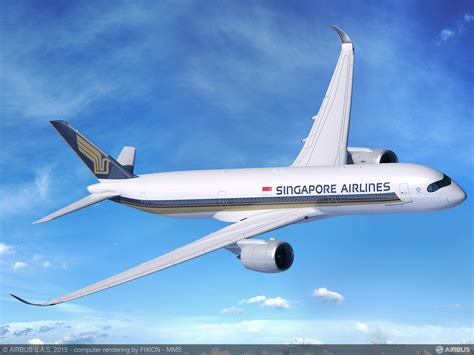
Perhaps the most fascinating aircraft in the fleet is the Airbus A350-900ULR (Ultra Long Range). This specialized variant was developed specifically for Singapore Airlines to operate nonstop ultra-long-haul flights.
Key features of the A350-900ULR include:
- Increased fuel capacity
- Reduced economy seating
- Enhanced range exceeding 9,000 nautical miles
These modifications enable the airline to operate extraordinary routes such as Singapore to New York, one of the longest commercial flights in the world.
By replacing fuel-hungry quad-engine aircraft like the Airbus A380 on ultra-long routes, Singapore Airlines has demonstrated that efficiency and long-distance connectivity can coexist.
Qatar Airways: Massive Investment In Next-Generation Widebodies
The final airline on this list is Qatar Airways, a carrier widely recognized for its premium service and aggressive fleet strategy. The airline has invested heavily in Airbus A350s and Boeing 787 Dreamliners, building one of the youngest long-haul fleets in the Middle East.
Currently, Qatar Airways operates 75 Dreamliners and A350 aircraft, with an average age of around six years.
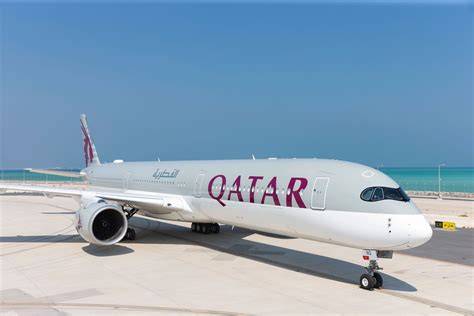
The airline reinforced its commitment to modern aircraft in 2025, when it placed an enormous order for more than 200 Boeing widebody jets. This deal included 130 Boeing 787 Dreamliners, making it one of the largest widebody aircraft purchases in aviation history.
Qatar Airways is also modernizing its cargo fleet, which plays a critical role in its global operations. Qatar Airways Cargo is currently the largest international freight airline, operating aircraft such as the Boeing 777F and 747-8F.
To improve cargo efficiency, the airline has ordered 34 Boeing 777-8 freighters, a next-generation aircraft designed to dramatically reduce fuel burn and operating costs.
The Future Of Widebody Efficiency In Global Aviation
The global aviation industry is entering a new era defined by fuel efficiency, environmental responsibility, and advanced aircraft technology. Airlines that invest early in next-generation widebody fleets gain a powerful competitive advantage—lower operating costs, greater route flexibility, and reduced environmental impact.
Carriers such as Lufthansa, Turkish Airlines, Delta Air Lines, Emirates, All Nippon Airways, Singapore Airlines, and Qatar Airways have demonstrated that strategic fleet planning can reshape an airline’s long-haul operations for decades to come.
With aircraft like the Airbus A350, Boeing 787 Dreamliner, and the upcoming Boeing 777X, the next generation of widebody fleets will continue pushing the boundaries of efficiency. These aircraft are not just technological upgrades—they represent the foundation of sustainable global aviation in the 21st century.
As airlines race toward a future of lower emissions, higher reliability, and greater passenger comfort, the carriers leading today’s widebody revolution are shaping the skies of tomorrow.