In the high-stakes world of modern aerial combat, fuel efficiency has become just as crucial as speed, stealth, and firepower. As operational costs soar and mission ranges expand, air forces across the globe are demanding fighter jets that deliver longer endurance, reduced refueling needs, and cost savings—without compromising performance. In this detailed analysis, we explore the top six most fuel-efficient fighter jets currently in service, examining their engines, design features, and operational benefits that set them apart.
Why Fuel Efficiency Matters in Modern Fighter Jets
Fighter jets can burn over 20,000 liters of fuel per hour during intensive missions, making efficiency a game-changer. Enhanced fuel economy means:
- Extended flight range, reducing the need for mid-air refueling.
- Lower operational costs, a key factor for budget-conscious defense ministries.
- Improved mission readiness, allowing jets to spend more time in the air and less time grounded for refueling.
Fuel efficiency also impacts strategic deployment—longer-range jets can reach distant conflict zones without support tankers, enhancing flexibility during rapid deployments.
1. Lockheed Martin F-35 Lightning II: Blending Stealth and Efficiency
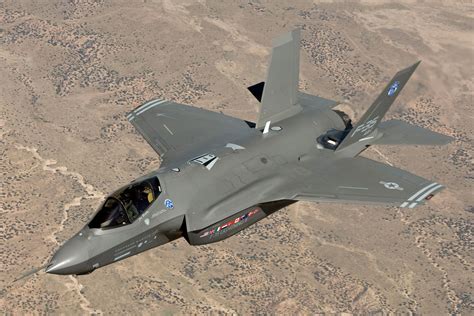
The F-35 Lightning II stands as a technological marvel, balancing stealth capabilities with impressive fuel efficiency. Powered by the Pratt & Whitney F135 engine, producing 28,000 pounds of thrust, the jet offers a combat radius exceeding 1,200 km on internal fuel. Its advanced low-drag stealth design reduces air resistance, yielding a 10–15% improvement in fuel consumption over earlier fourth-generation fighters.
Equipped with integrated avionics and aerodynamic refinements, the F-35 maximizes every drop of fuel, making it not only a formidable combat aircraft but also a cost-efficient one for long-duration missions.
2. F-22 Raptor: Supercruise for High-Speed Efficiency
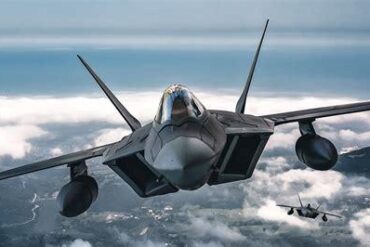
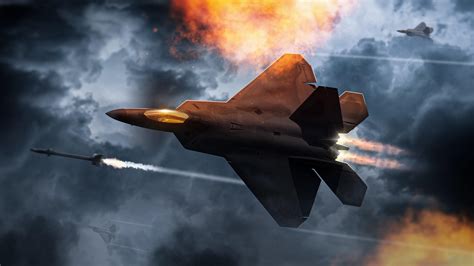
The F-22 Raptor remains one of the most sophisticated fighter jets in existence, and its fuel-saving technology is a standout feature. Its Pratt & Whitney F119-PW-100 engines produce 35,000 pounds of thrust each and enable supercruise—the ability to fly at Mach 1.5 without afterburners. This reduces fuel consumption by 30–40% during high-speed operations, giving the Raptor the ability to maintain supersonic speeds over long distances without massive fuel penalties.
This combination of raw power and efficiency allows the Raptor to engage in rapid-response missions while conserving valuable resources.
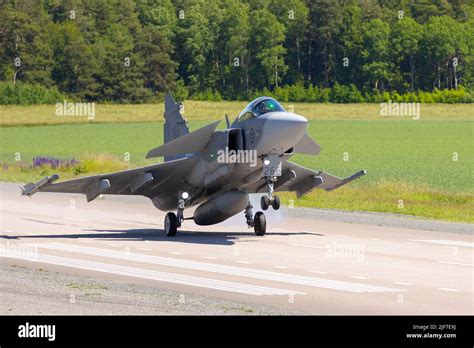
3. Saab JAS 39 Gripen: Lightweight and Cost-Efficient
The Saab JAS 39 Gripen has earned a reputation as one of the most cost-effective fighters in the world. At an empty weight of just 6,800 kg, paired with the General Electric RM12 engine, it burns approximately 2,900 kg of fuel per hour at full power—a fraction of what heavier jets consume. According to the Stockholm Defence Review, its operational cost is 40% lower per flight hour compared to similar multirole fighters.
This lightweight Scandinavian design combines agility, modular upgrades, and lower fuel requirements, making the Gripen an attractive choice for nations seeking affordable high-performance combat capabilities.
4. Dassault Rafale: Smart Fuel Use with Biofuel Integration
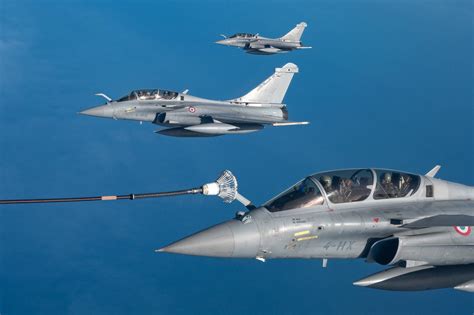
The French Dassault Rafale showcases cutting-edge fuel efficiency through its Snecma M88 turbofan engines, delivering 50 kN of thrust each. Its aerodynamic design paired with advanced engine management systems allows for up to 20% fuel savings during long-range flights. Uniquely, the Rafale can also operate on biofuel-kerosene blends, reducing carbon emissions and dependence on traditional fuels.
This environmentally-conscious approach, along with its multirole versatility, has made the Rafale a favorite for air forces looking to blend performance with sustainability.
5. Eurofighter Typhoon: Weight Reduction and Aerodynamic Gains
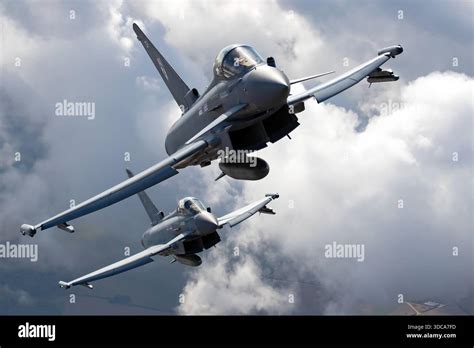
The Eurofighter Typhoon achieves fuel efficiency through a combination of lightweight composite construction—which reduces overall mass by 2,000 kg—and two EJ200 engines generating 20,000 lbs of thrust each. According to Jane’s Defence Weekly, the Typhoon saves approximately 12% fuel during cruise while delivering a range of up to 2,900 km on internal fuel.
These enhancements make the Typhoon a strong contender for long-range, high-endurance missions in both defensive and offensive roles.
6. Sukhoi Su-57: Russia’s Efficient Next-Generation Stealth Jet
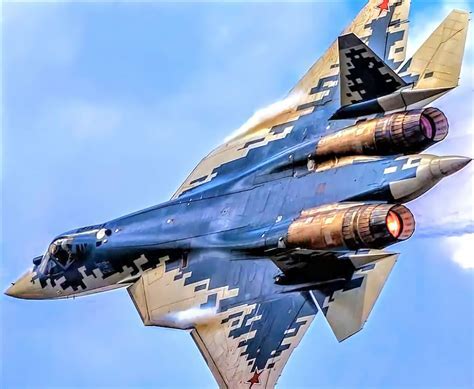
The Russian Sukhoi Su-57 pushes the boundaries of fighter jet efficiency with its Saturn Izdeliye 30 engines, which improve fuel use by 20% compared to previous Russian designs. Capable of supercruise at Mach 1.3, the Su-57 reduces dependency on fuel-heavy afterburners. With an internal fuel range of up to 3,500 km, it offers some of the longest legs among fifth-generation fighters.
This makes the Su-57 a formidable platform for extended-range strike missions, giving Russia a significant operational edge.
Conclusion: Balancing Power, Range, and Cost
As air forces demand more endurance, versatility, and affordability, fuel efficiency is no longer a secondary consideration—it is a strategic priority. From the supercruising F-22 to the biofuel-capable Rafale, these six fighters prove that cutting-edge engine technology and intelligent design can deliver formidable performance while keeping fuel consumption in check.
In the evolving landscape of aerial warfare, the future belongs to jets that can dominate the skies while maximizing efficiency, ensuring they stay combat-ready for longer, at lower costs, and with fewer logistical burdens.