Sukhoi fighter jets, synonymous with Russian aerospace dominance, have carved out a commanding presence across global air forces. With a legacy rooted in Cold War innovation and modernized for 21st-century warfare, Sukhoi aircraft are now in active service with more than 30 countries. They remain a crucial element of Russian foreign defense relations, combining raw power, cost-efficiency, and robust engineering.
Russia: The Largest Sukhoi Operator by Far
As the birthplace of Sukhoi aircraft, Russia unsurprisingly holds the largest operational fleet. According to the 2025 World Air Forces Directory, Russia operates a staggering 1,113 Sukhoi aircraft, spanning various classes including trainers, multirole fighters, and strike aircraft.
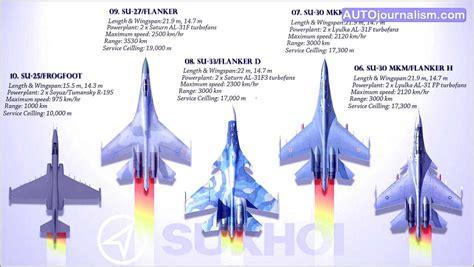
Among these, the most prolific platforms belong to the Flanker family—Su-27, Su-30, Su-34, and Su-35—totaling 384 aircraft. These fourth-generation fighters are the backbone of the Russian Air Force and the Russian Navy’s aviation wings.
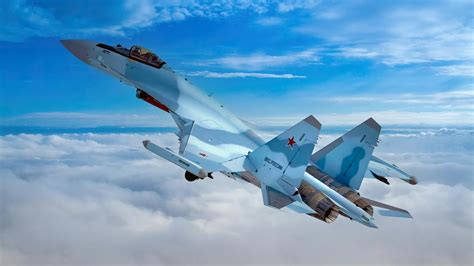
The Su-35S, with its supermaneuverability and advanced Irbis-E radar, serves as the top-tier multirole fighter in Russia’s active inventory, while the Su-34 Fullback, a twin-seat strike aircraft, has played a significant role in Syria and Ukraine operations.
China: Licensed Production and Strategic Deployment
China ranks second globally, fielding 404 Sukhoi-based aircraft. These include direct imports from Russia such as the Su-27SK and Su-30MKK, but also a large number of license-built variants, most notably the Shenyang J-11. Manufactured by the Shenyang Aircraft Corporation (SAC), the J-11 is a Chinese derivative of the Su-27 and is produced domestically using Russian-supplied kits.
China’s Sukhoi fleet forms a major component of the People’s Liberation Army Air Force (PLAAF), especially for long-range missions and sea patrols. The Su-30MKK and Su-30MK2 are often stationed in southern and eastern military commands to project air power over the South China Sea and Taiwan Strait.
India: Indigenous Assembly with Combat Proven Su-30MKI
India ranks third, with 265 Sukhoi Su-30MKI aircraft in active service. Unlike other nations, India assembles its fighters under a production license agreement with Hindustan Aeronautics Limited (HAL), making it the only country authorized to domestically manufacture Sukhoi jets.
The Su-30MKI is a heavily customized variant integrating Israeli avionics, French sensors, and Indian mission software, alongside the standard Russian airframe. This level of hybridization makes the Su-30MKI among the most capable 4.5 generation fighters in Asia.
These jets have seen active service in skirmishes with Pakistan, especially during the Balakot air strikes in 2019, demonstrating both strategic depth and combat endurance.
Algeria and Vietnam: Regional Sukhoi Powerhouses
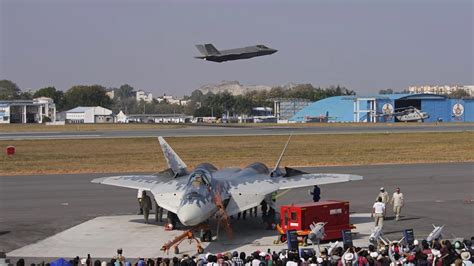
Algeria follows with 94 Sukhoi fighters, predominantly Su-30MKA variants based on the Indian Su-30MKI. Algeria continues to modernize its air force, relying on Russian platforms due to historical military cooperation and ease of training logistics.
Vietnam’s fleet of 73 aircraft includes Su-27SK, Su-30MK2, and earlier models such as Su-22. Positioned as deterrents against Chinese expansion in the South China Sea, Vietnam’s Sukhois conduct regular maritime surveillance and training missions.
Kazakhstan, Syria, and Belarus: Strategic Soviet Legacy
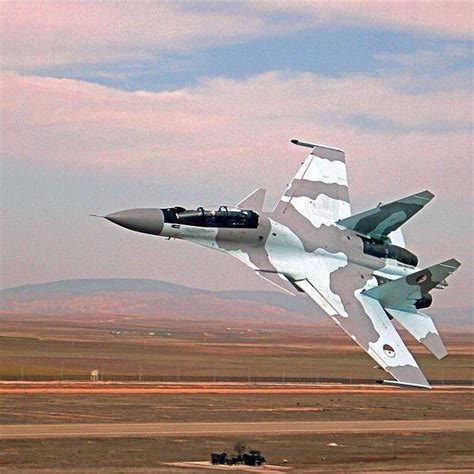
Kazakhstan operates 68 Sukhoi aircraft, mostly Su-27 and Su-30SM platforms acquired post-Soviet breakup. Recently, Kazakhstan began retiring its older Su-24 fleet, opting to modernize around the Su-30.
Syria retains 57 operational Sukhois, including Su-24 and Su-22 bombers, which have been crucial in ground-attack operations during the Syrian Civil War. Belarus, operating 54 aircraft, has deepened its integration with Russian defense systems and received additional Su-30SM units in recent years.
Ukraine: War-Torn Yet Operational
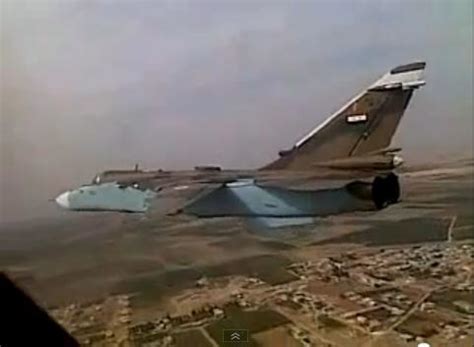
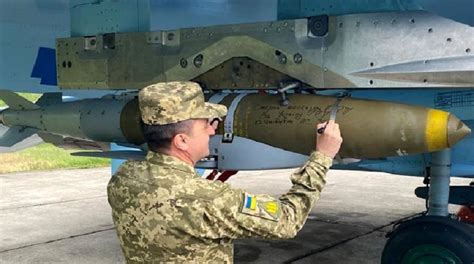
Despite ongoing hostilities with Russia, Ukraine still maintains an inventory of 53 Sukhoi jets, primarily Su-24 and Su-27 fighters. These aircraft have been involved in combat sorties, air defense, and deep-strike missions during the conflict that began in 2022.
Some have been upgraded with NATO-compatible avionics, making Ukraine one of the few countries operating Sukhoi aircraft in a NATO-aligned combat doctrine.
North Korea to Venezuela: The Mid-Tier Sukhoi Operators
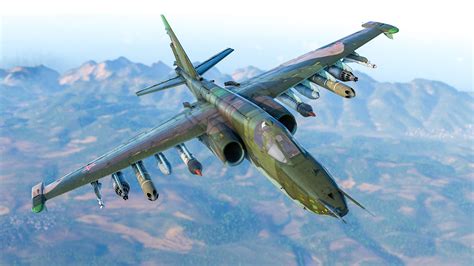
Beyond the top ten, North Korea ranks next with 52 Sukhoi jets, mostly older Su-25 ground-attack aircraft. Angola and Uzbekistan each operate 38 aircraft, primarily for ground support roles.
Poland, a unique case, retains 32 Su-22s, although most are slated for decommissioning. Iraq has 30 aircraft, including Su-25s acquired to fight ISIS. Venezuela operates 21.
Lesser-Known Operators Across Africa, Asia, and Latin America
Several nations maintain modest fleets, often under a dozen aircraft:
- Armenia and Azerbaijan: 19 each, often viewed through the lens of regional rivalry.
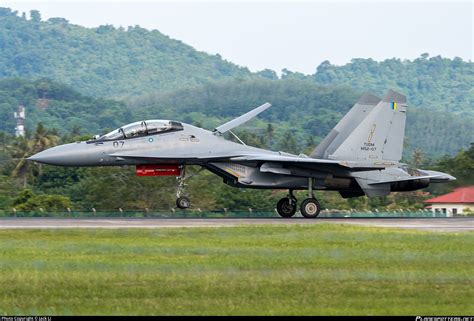
- Malaysia: 18 Su-30MKM, which feature Thales avionics and western systems.
- Indonesia, Sudan: 16 each, with Indonesia planning upgrades.
- Peru, Chad, Bulgaria: Between 8 and 9 aircraft.
Equatorial Guinea, Libya, and Eritrea maintain as few as 2–4 aircraft, used more for display than practical combat utility.
Sukhoi’s Best-Selling Models Globally
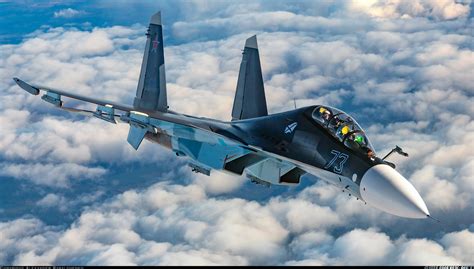
The Su-30 family is the most exported and widely used series, accounting for approximately 21.8% of all Sukhoi aircraft in operation globally. The Su-24, though dated, still makes up 16.5% of the active fleet.
- Su-30: Versatile multirole fighter with twin-seat flexibility.
- Su-24: Supersonic bomber nearing obsolescence in many air forces.
- Su-27/Su-35: Advanced air superiority variants with superior maneuverability.
Export Challenges Amid Geopolitical Constraints
Russia’s ability to export Sukhoi jets has been significantly hindered due to:
- Sanctions from Western nations.
- The ongoing war in Ukraine.
- Suspension of defense agreements with potential buyers.
Several countries have put Sukhoi acquisitions on hold, while others seek maintenance and spare parts through third-party channels, which has raised safety and logistical concerns.
Future Outlook: Su-75 and Su-57 Development
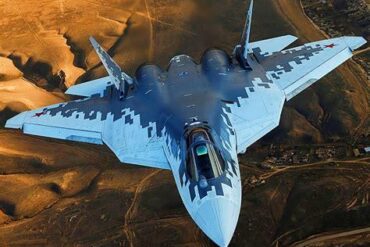
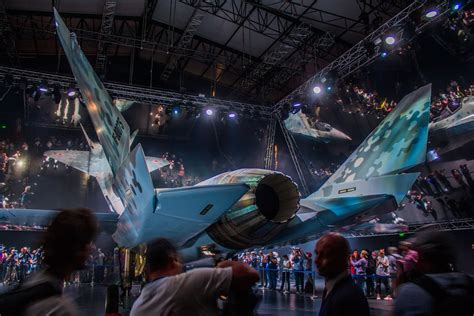
Despite export difficulties, Sukhoi continues to innovate. The Su-57 “Felon”, Russia’s fifth-generation stealth fighter, is slowly entering limited service. Simultaneously, the Su-75 Checkmate, a lightweight single-engine stealth platform, is under development and marketed to Africa, Asia, and Latin America as an affordable alternative to the F-35.
If successfully fielded and cleared for export post-sanctions, these platforms could reinvigorate Sukhoi’s presence in international defense markets.
Conclusion: Sukhoi’s Enduring Global Footprint
Sukhoi aircraft have built a formidable legacy across five continents, serving both major powers and smaller states. From the frontlines of modern war zones to remote African airfields, their presence underscores a decades-long reputation for durability, agility, and adaptability. While current political tensions limit exports, Sukhoi’s evolving portfolio signals a resilient future rooted in innovation and enduring partnerships.