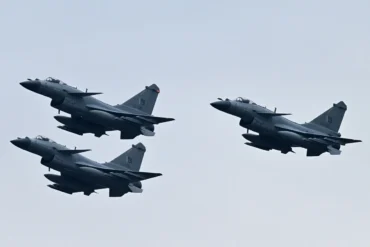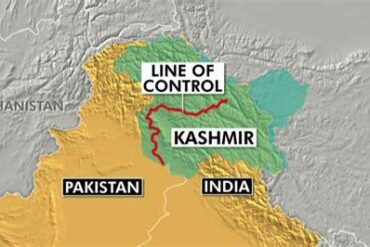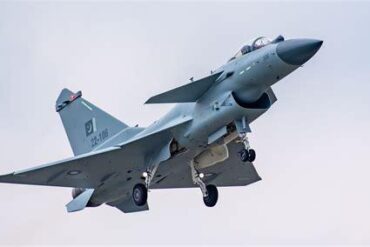
The recent aerial confrontation between India and Pakistan, involving Chinese-manufactured J-10C jets and French-built Rafale fighters, has catalyzed an unprecedented level of interest among global defense analysts. This rare, real-world clash of advanced fighter technology is being meticulously studied by militaries around the world, especially the United States, China, and NATO-aligned air forces. The clash may reshape strategic planning, weapons development, and pilot training programs in the years to come.
The Clash in Context: High Stakes Over the Subcontinent
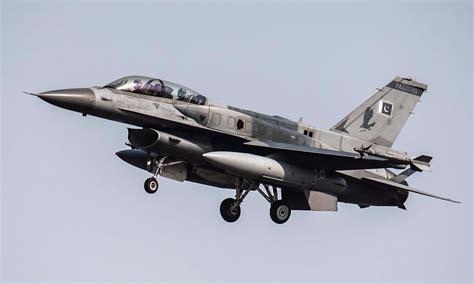
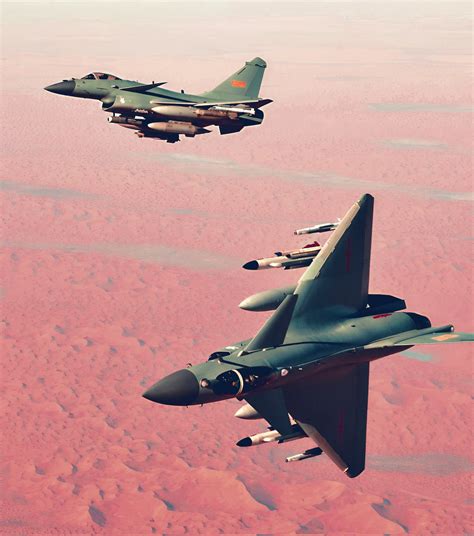
According to multiple U.S. defense officials, the aerial engagement occurred when Pakistani Air Force J-10Cs, reportedly armed with China’s PL-15 long-range air-to-air missile, engaged and successfully downed at least two Indian military aircraft on May 8. This marks not only a military milestone for Islamabad but also a significant demonstration of China’s growing defense export capabilities. The J-10C’s involvement, if confirmed, underscores the operational readiness of China’s advanced fourth-generation aircraft outside its borders.
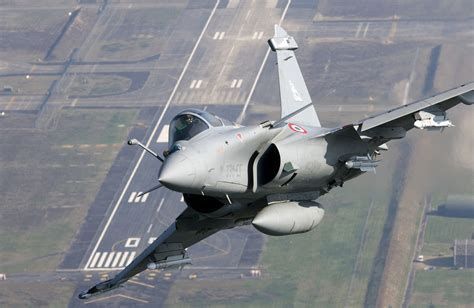
In contrast, the Indian Air Force deployed Dassault Rafale fighters, among the most modern Western jets in the region. Rafales, equipped with European-manufactured Meteor missiles, represent the pinnacle of European air combat technology. The Meteor’s radar-guided targeting and high kill probability are often touted as a game-changer in beyond-visual-range (BVR) combat. That these two opposing technologies met in actual combat offers a unique data point rarely available outside simulations and joint exercises.
Why This Encounter Matters Globally
This incident is more than just another military skirmish in the long history of India-Pakistan tensions. It presents a live test case for evaluating the real-world performance of two of the most highly-touted missile systems: the Chinese PL-15 and the European Meteor. Both missiles are designed for BVR engagements, a scenario increasingly considered the future of aerial warfare. The clash also offered critical insight into pilot tactics, electronic warfare countermeasures, and systems integration under real stress conditions.
As Douglas Barrie of the International Institute for Strategic Studies observed, “You have arguably China’s most capable weapon against the West’s most capable weapon.” If these systems were indeed used, as believed by U.S. officials, the stakes for military assessments are enormous.
The PL-15 vs. Meteor: A Clash of Titans
The PL-15, produced by China’s state-owned defense conglomerates, has been under Western scrutiny since its unveiling. It uses active radar guidance, solid-fuel propulsion, and is believed to be capable of strikes well beyond 200 kilometers, although official figures are scarce. U.S. military sources and defense contractors have long viewed the PL-15 as a primary driver behind their own missile development efforts, notably the AIM-260 Joint Advanced Tactical Missile by Lockheed Martin.
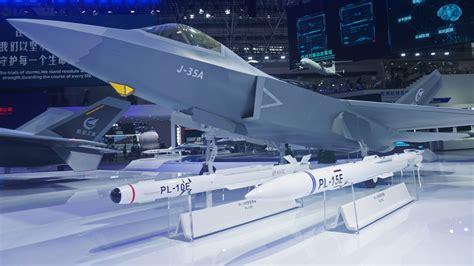
On the other hand, the Meteor, a joint European project managed by MBDA, is distinguished by its ramjet propulsion, allowing it to maintain high kinetic energy until the point of impact. This is vital for no-escape zone (NEZ) engagements and for overcoming evasive maneuvers. The exact range remains classified but is generally considered slightly shorter than the PL-15, though arguably more reliable under diverse combat conditions.
Initial analyses suggest that while the PL-15 may have an edge in theoretical range, the Meteor’s terminal performance and resistance to countermeasures could offer significant battlefield advantages. However, as one Western defense expert commented, “We know so little. At the moment, it’s not possible to judge anything definitively.”
Fog of War: Uncertainties and Misinformation
Despite widespread interest, there are still significant gaps in verified data. Key questions remain unanswered:
- Were Meteor missiles actually deployed by the Indian jets?
- What training levels had the pilots received prior to the encounter?
- Were electronic countermeasures effectively used by either side?
Social media has been flooded with photos allegedly showing missile fragments, including one that appears to show a damaged seeker head, potentially from a Meteor that missed its target. However, no official confirmation has emerged from either the Indian or Pakistani governments. Arms manufacturers have also remained tight-lipped, possibly due to geopolitical sensitivities or contractual restrictions.
Strategic Lessons for the Indo-Pacific and Beyond
From Washington to Beijing, and from Paris to New Delhi, air warfare communities are dissecting this encounter to extract every ounce of actionable intelligence. For the United States, which is preparing for a potential conflict over Taiwan, insights into the performance and limitations of PL-15-equipped platforms could influence not just tactics but also procurement decisions.
Similarly, European defense planners are accelerating mid-life upgrades for the Meteor system, possibly including enhancements in propulsion and onboard guidance software. Informed sources within the Western defense sector indicate that the clash has added urgency to these upgrade timelines.
For China, confirmation that the PL-15 performed well under operational conditions would be a major validation of its decision to move beyond Soviet-era systems. It also strengthens China’s hand in promoting its weaponry to other nations under its Belt and Road Initiative umbrella. Conversely, if shortcomings are identified, this could lead to a rethink of deployment doctrine or a revision of export strategies.
Implications for Arms Trade and Alliances
Beyond tactical and technical considerations, the encounter carries significant diplomatic and commercial implications. Countries considering defense purchases are watching closely to determine which suppliers can offer not just advanced hardware but systems that perform under actual combat conditions.
If China’s PL-15 proves superior in operational settings, it could shift the balance in arms deals towards Beijing — especially among nations with lower defense budgets or limited access to NATO technology. However, should the Meteor or Rafale demonstrate greater survivability and effectiveness, it would reinforce European credibility in high-stakes procurement bids.
U.S. President Joe Biden recently reaffirmed a major defense contract with Boeing to develop the next-generation stealth fighter, further emphasizing America’s intent to stay ahead in air superiority technology. Nevertheless, real-world engagements like the India-Pakistan dogfight provide data that no simulation or war game can replicate.
Toward a New Era of Air Combat
The broader takeaway from this clash is not about who “won” a skirmish, but rather how modern air combat is evolving. With the rapid convergence of hypersonics, AI-enabled targeting systems, and electronic warfare, each incident becomes a stepping stone in the transformation of global air power doctrines. Real-time data, performance metrics, and failure modes derived from this conflict are already filtering into defense white papers and battlefield models across the world.
For South Asia, the event is a stark reminder of the region’s volatility and the escalatory potential of high-tech warfare. For the rest of the world, it is a case study — a compressed preview of what a future great-power conflict might look like, fought not with brute force alone but with algorithmic precision, networked platforms, and missiles launched from beyond the horizon.
As one defense executive bluntly put it, “If the PL-15 is working as advertised or better, China will want to hear that. And if it isn’t, so will everyone else.”
The battle may be over, but the scrutiny has only just begun.