In the annals of aviation history, 1972 stands as a grim milestone — the deadliest year ever recorded for commercial air travel. While modern aviation boasts remarkable safety records, with only seven fatal accidents across 40.6 million flights in 2024, the picture was drastically different in the early 1970s. In 1972 alone, 75 airliner accidents claimed the lives of 2,389 people, marking it as the worst year in aviation safety according to the Aviation Safety Network.
This catastrophic year did not occur in a vacuum. Instead, it unfolded due to a convergence of outdated technology, inconsistent regulations, inadequate pilot training, and tragic human errors. The events of 1972 reshaped the industry, driving transformative changes that continue to define aviation safety standards today.

A Cascade of Catastrophes: Notable Crashes That Defined 1972
The tone for 1972 was set early. On January 7, Iberia Flight 602 crashed into a mountain while preparing to land at Ibiza Airport. All 104 people on board perished. Investigators later revealed that the flight crew had become distracted — allegedly chatting with air traffic controllers about soccer — underscoring how complacency in cockpit communications could have fatal consequences.
Just months later, tragedy struck again. On May 5, Alitalia Flight 112 plowed into a mountain near Palermo, Italy, killing 115 individuals. The accident, attributed to pilot error, mirrored a recurring theme in many of the year’s crashes — insufficient situational awareness in terrain-heavy approach paths. As with the Ibiza disaster, the flight crew failed to recognize their altitude and position relative to the rugged landscape until it was too late.
October 13 brought one of the most infamous crashes of all time: the disaster of Uruguayan Air Force Flight 571, later immortalized in books and films. Carrying members of a rugby team, the aircraft crashed deep in the Andes due to a navigational miscalculation. Believing they had cleared the mountains, the pilots descended prematurely. Of the 45 onboard, 12 died in the crash; the remainder endured avalanches, freezing temperatures, and starvation. Only 16 survived, rescued more than two months later. Their story of cannibalism and survival shocked the world but also underscored how a chain of seemingly minor misjudgments can compound into catastrophic failure.
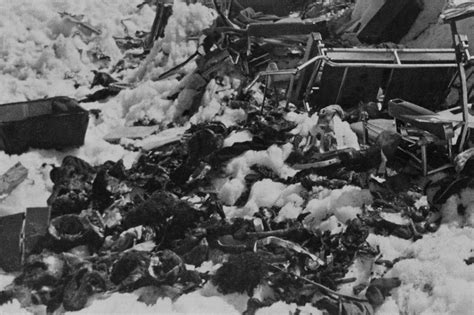
The year closed with two more harrowing tragedies. On December 23, Braathens SAFE Flight 239 crashed near Oslo, Norway, killing 43 people. The cause: procedural errors and incorrect navigation during approach. Days later, Eastern Air Lines Flight 401, a brand-new Lockheed L-1011 Tristar, went down in the Florida Everglades. The crew had become distracted by a faulty landing gear indicator light and failed to notice the plane was losing altitude. The result: 101 fatalities, and a chilling reminder that high-tech aircraft are not immune to the consequences of human inattention.
Why 1972 Was So Deadly: A Web of Systemic Failures
The common thread through these disasters was not malevolence or sabotage, but a deeply flawed safety culture that pervaded global aviation in the early 1970s. At the time, industry safety standards were uneven and reactive, not preventative. Aircraft had fewer redundancies, and many flight paths lacked terrain awareness safeguards.
One glaring deficiency was the absence of modern alerting systems. The now-standard Ground Proximity Warning System (GPWS) — which alerts pilots when they are too close to terrain — had not yet been mandated. It wasn’t until 1974, two years after the worst had occurred, that the U.S. Federal Aviation Administration (FAA) required all large aircraft to be equipped with GPWS. This regulatory delay likely cost hundreds of lives in 1972 alone.
Cockpit design was another major factor. The 1970s marked a transition period from analog dials to the more intuitive “glass cockpit” interfaces, but this evolution was still in its infancy. Without integrated digital systems, pilots faced high workloads, and crucial information could easily be overlooked — especially under stress.
Moreover, pilot training and standard operating procedures varied dramatically between airlines and countries. Human error was the leading cause of accidents, yet training regimens failed to fully prepare flight crews for emergency scenarios. Many airlines lacked standardized checklists, effective crew resource management (CRM), or robust simulation-based training, all of which are now fundamental pillars of flight safety.
Regulatory Awakening and the Road to Reform
If 1972 was aviation’s darkest year, it was also the catalyst for the dawn of a safer era. Regulators and manufacturers could no longer ignore the systemic vulnerabilities exposed by the relentless series of crashes.
The FAA responded swiftly. By 1974, GPWS was mandatory in the United States. This technology alone is credited with preventing countless Controlled Flight Into Terrain (CFIT) incidents — the very type that doomed Iberia 602 and Alitalia 112.
Air traffic control systems also underwent sweeping modernization. Radar coverage expanded, especially over mountainous and oceanic regions. Communication protocols became more structured, and procedural lapses like those seen in the Andes crash began to be addressed with tighter regulations and better training.
Simultaneously, the industry began to redefine pilot professionalism. The idea of CRM — emphasizing communication, decision-making, and leadership in the cockpit — emerged directly from post-1972 analyses. Today, CRM is universally adopted and credited with improving inter-crew coordination, especially during emergencies.

Lessons Etched in Tragedy: Long-Term Impacts of 1972
The safety revolution sparked by 1972’s devastation did not happen overnight, but its legacy is enduring. Aircraft design now incorporates multiple redundant systems, digital terrain databases, and real-time monitoring. Cockpit voice and flight data recorders — colloquially known as black boxes — have become more sophisticated, offering invaluable insight during investigations and preventing future recurrences.
Furthermore, international collaboration on aviation standards intensified. The International Civil Aviation Organization (ICAO) and national agencies harmonized regulations to close the safety gaps that once plagued cross-border operations. Today, whether flying in Europe, Asia, or North America, passengers benefit from a baseline of stringent global safety requirements.
Equally important has been the cultural shift within aviation. No longer are crashes seen as isolated, unfortunate events; each incident now triggers methodical investigations, with findings widely disseminated to prevent repetition. The tragedies of 1972 helped institutionalize a culture of learning and accountability, critical to aviation’s sterling modern safety record.
A Look Back to Fly Forward
It is difficult — even for those within the industry — to comprehend the scope of loss that defined 1972. The year’s 75 fatal accidents were not merely statistics; they were cataclysmic events that shattered families, reshaped regulations, and redefined what it meant to fly safely. From the snow-covered Andes to the swamps of Florida, each wreck left behind more than debris — it left behind lessons.
In contrast, the numbers from 2024 — seven fatal crashes out of over 40 million flights — illustrate how far aviation has come. The current era of safety, built on the back of tragedy, is a testament to relentless innovation, global cooperation, and a commitment to never forgetting the past.
When passengers step aboard an aircraft today, they do so under the quiet protection of decades of hard-earned progress. And while 1972 remains aviation’s most sorrowful year, it is also the year that ensured such a devastating chapter would never be repeated.