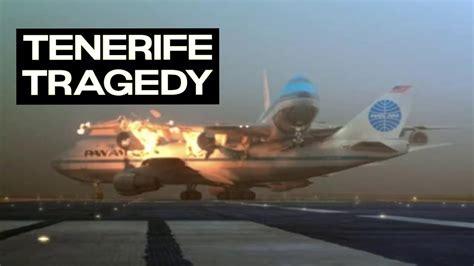
The Tenerife airport disaster, which occurred on 27 March 1977, stands as the deadliest accident in aviation history, resulting in the deaths of 583 people when two Boeing 747 jumbo jets collided on the runway. This catastrophic event, set against a backdrop of dense fog and compounded by communication failures, forever transformed international aviation safety standards.
The disaster unfolded at Los Rodeos Airport (now Tenerife North Airport) in Spain’s Canary Islands. The two aircraft involved were KLM Flight 4805, a Boeing 747-206B (PH-BUF), and Pan Am Flight 1736, a Boeing 747-121 (N736PA). Both flights had been rerouted to Tenerife due to a terrorist bombing incident earlier that day at Gran Canaria Airport, which closed temporarily and forced numerous diversions to the smaller and less-equipped Tenerife facility.
The Build-Up to Tragedy
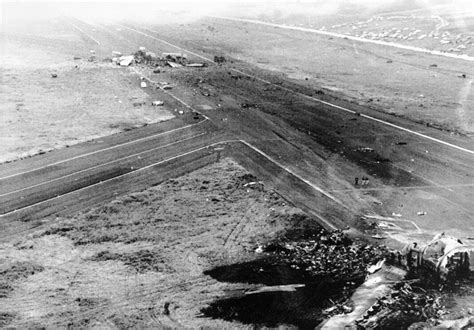
What began as a precautionary diversion soon spiraled into a logistical nightmare. Los Rodeos Airport was not designed to handle such heavy traffic. Its single runway had to serve both takeoff and taxiing operations because the main taxiway was obstructed by parked aircraft. As fog thickened throughout the afternoon, visibility dropped sharply, creating perilous conditions on the ground.
KLM Flight 4805, commanded by the highly respected Captain Jacob Veldhuyzen van Zanten (11,700 flight hours), made the controversial decision to fully refuel at Tenerife. Meanwhile, Pan Am Flight 1736, led by Captain Victor Grubbs (21,043 hours of experience), was taxiing behind KLM, attempting to locate its exit from the congested runway.
Miscommunication and Critical Errors
The fog, though treacherous, was only part of the problem. The real disaster stemmed from a cascade of communication breakdowns. Air traffic control instructed KLM to “taxi to the Papa beacon” but did not explicitly clear the aircraft for takeoff. Crucially, simultaneous radio transmissions from Pan Am and ATC caused interference, distorting key messages. Despite a moment of hesitation from First Officer Klaas Meurs and a query from the flight engineer, Captain van Zanten, possibly eager to meet scheduling pressures, began the takeoff roll, believing he had been cleared.
At the same time, Pan Am’s Boeing 747 was still on the runway, moving slowly and uncertainly in the blinding fog. Captain Grubbs’s crew, upon spotting KLM’s lights barreling toward them, attempted a frantic left turn to exit the runway. But it was too late.
The Fatal Impact
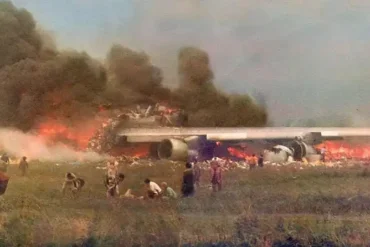
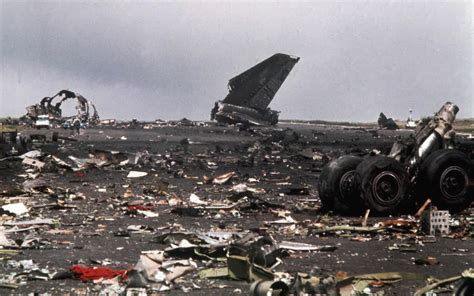
As KLM’s aircraft accelerated past 140 knots, Captain van Zanten desperately tried to lift off early in a bid to clear Pan Am’s jet. His efforts were tragically insufficient. The KLM 747’s lower fuselage and landing gear smashed into Pan Am’s upper fuselage, ripping through the structure and igniting its massive fuel load. KLM’s no. 1 engine detached on impact, while the aircraft’s fully fueled tanks exploded in a fireball, obliterating the plane and killing all 248 people on board.
On Pan Am’s aircraft, the impact was devastating but not instantly fatal to all. While 335 passengers and crew perished, 61 people miraculously survived, escaping through holes in the fuselage and climbing onto the intact left wing, from where they were eventually rescued.
Rescue Efforts and Chaos
The dense fog and general confusion delayed rescue operations. Initial efforts focused on KLM’s wreckage, where it soon became apparent that no one had survived. Only after critical minutes were lost did first responders realize there were survivors in the Pan Am wreck, many of whom had taken heroic measures to help others escape despite raging fires.
Investigations and Accountability
Spanish authorities led the official investigation, identifying the immediate cause as KLM’s unauthorized takeoff. Contributory factors included poor visibility, congested runway conditions, ambiguous ATC phraseology, and overlapping radio communications. Dutch investigators emphasized that systemic communication failures and situational pressures also played a significant role.
KLM initially resisted full culpability but eventually accepted legal responsibility. The airline paid more than $110 million in compensation to the victims’ families, marking one of the largest settlements in aviation history.
Transforming Aviation Safety
The Tenerife airport disaster was a turning point for global aviation safety protocols. Several vital reforms were instituted in its aftermath:
- Radio communication standardization: The term “takeoff” was restricted exclusively for takeoff clearances to prevent ambiguity, with “departure” used otherwise.
- Mandatory readbacks: Pilots were now required to read back ATC instructions in full, ensuring clarity and confirmation.
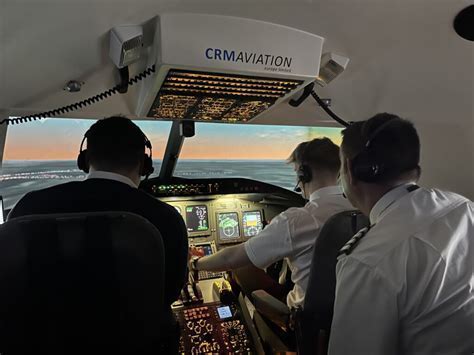
- Crew Resource Management (CRM): The disaster highlighted the dangers of cockpit hierarchy and overreliance on senior crew. CRM training became mandatory, empowering all flight crew members to voice concerns and verify commands.
A Lasting Legacy
Memorials have been erected in both Amsterdam and California, honoring the victims and reminding the aviation community of the critical lessons learned. In response to the disaster, Tenerife South Airport opened in 1978, offering more advanced infrastructure to accommodate increasing traffic safely. Additionally, Tenerife North Airport was equipped with ground radar technology to monitor aircraft movements on the runway and prevent future collisions.
Today, the Tenerife airport disaster is not only remembered for its staggering death toll but also revered as a catalyst for profound safety improvements that have undoubtedly saved countless lives since. The legacy of the 583 souls lost continues to echo through every takeoff and landing, reminding us that vigilance, clear communication, and humility in the cockpit remain paramount in aviation safety.