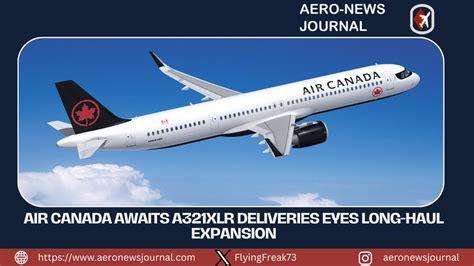
Air Canada is reshaping its international network with a calculated expansion that blends next-generation aircraft efficiency with high-demand leisure markets, signaling a decisive shift in how the airline approaches long-haul growth. By deploying the Airbus A321XLR alongside an expanding fleet of Airbus A220 aircraft, the carrier is unlocking routes once considered economically impractical, while strengthening its competitive edge across the Atlantic and throughout Latin America.
This strategic move is not simply about adding destinations—it reflects a broader transformation in fleet utilization, network flexibility, and revenue optimization. At the center of this evolution lies a bold new connection: nonstop flights from Canada to Tenerife, a route that will stand alone as the only direct link between North America and the Canary Islands.
Air Canada’s Tenerife Breakthrough: A Unique Transatlantic Link
Air Canada’s entry into Tenerife represents a landmark development in transatlantic aviation. By launching nonstop service to Tenerife South Airport (TFS) from both Toronto Pearson (YYZ) and Montreal Trudeau (YUL), the airline is effectively creating a new leisure corridor that bypasses traditional European hubs.
From Montreal, Flight AC956 will depart Saturday evenings and arrive in Tenerife the following morning, while the return service ensures a seamless daytime transatlantic journey. Toronto’s operation mirrors this efficiency with multiple weekly frequencies, offering flexibility for travelers seeking winter sun without the inconvenience of connections.
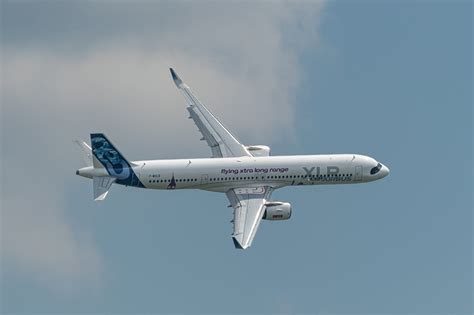
What makes this route viable is the Airbus A321XLR, an aircraft specifically engineered for long-range narrowbody operations. Its ability to fly thinner routes with lower operating costs allows Air Canada to tap into niche, high-yield markets like Tenerife without committing to larger widebody jets. The result is a route that balances demand precision with operational efficiency, a combination that legacy network models struggled to achieve.
The Airbus A321XLR: Redefining Long-Haul Economics
The introduction of the A321XLR is more than a fleet upgrade—it is a strategic enabler. With extended range and improved fuel efficiency, the aircraft allows airlines to explore “long and thin” routes, where passenger demand exists but not at volumes sufficient for widebody service.
For Air Canada, this translates into:
- Lower risk route launches with reduced capacity
- Improved profitability margins on leisure-heavy routes
- Greater frequency flexibility to match seasonal demand
This aircraft effectively bridges the gap between narrowbody efficiency and widebody reach, making destinations like Tenerife not only possible, but commercially compelling. The move positions Air Canada at the forefront of a growing industry trend where airlines prioritize precision over scale.
Vancouver’s Transformation into a Latin America Gateway
While Tenerife captures headlines, an equally significant shift is unfolding on Canada’s West Coast. Air Canada is expanding its Vancouver International Airport (YVR) operations, building a stronger base for both its Airbus A220 fleet and its leisure-focused subsidiary, Air Canada Rouge.
This expansion is designed to unlock direct access to Latin America’s high-demand leisure destinations, reducing reliance on eastern hubs and eliminating inefficient connections. The strategy reflects a deeper understanding of regional demand, particularly from Western Canada travelers seeking direct sun destinations.
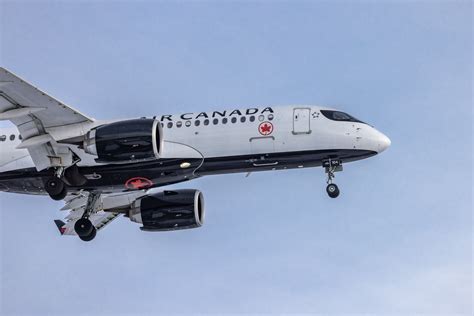
New and expanded routes from Vancouver include Mazatlán, Liberia (Costa Rica), Monterrey, and Puerto Escondido, each carefully selected for their strong seasonal appeal and growing tourism demand. These routes operate primarily during the winter season, aligning capacity with peak travel periods and maximizing load factors.
The Airbus A220 plays a crucial role here. Known for its fuel efficiency, passenger comfort, and right-sized capacity, it enables Air Canada to serve these markets with precision. This is particularly important in regions where demand fluctuates, allowing the airline to maintain profitability without overcommitting resources.
A Smarter Network Strategy Built on Flexibility
At its core, Air Canada’s expansion reflects a shift toward adaptive network planning. Instead of relying heavily on large hubs and widebody aircraft, the airline is embracing a more nuanced approach that prioritizes:
- Seasonal responsiveness to leisure demand
- Multiple gateway diversification across Canada
- Aircraft right-sizing for each route
This flexibility allows Air Canada to pursue high-yield leisure travelers, a segment that has proven resilient and lucrative in the post-pandemic travel landscape. By aligning aircraft capabilities with market demand, the airline is effectively reducing inefficiencies that once plagued traditional route planning.
Competitive Positioning in a Crowded Market
Air Canada’s Tenerife route offers a clear competitive advantage: exclusivity. As the only airline providing nonstop service between North America and the Canary Islands, it captures a unique segment of travelers seeking convenience and time savings.
At the same time, the Vancouver expansion strengthens its position against competitors like WestJet, particularly in Western Canada. By offering more direct routes, Air Canada eliminates a key disadvantage that previously pushed passengers toward alternative carriers.

This dual-front strategy—exclusive long-haul routes and expanded regional connectivity—creates a balanced competitive profile. It ensures the airline remains relevant across both premium and leisure segments, while maximizing revenue opportunities across different geographic markets.
The Bigger Picture: Fleet Innovation Driving Growth
Air Canada’s latest expansion underscores a broader industry reality: fleet innovation is now the primary driver of network growth. Aircraft like the A321XLR and A220 are not just tools—they are catalysts enabling airlines to rethink what is possible.
By leveraging these technologies, Air Canada is positioning itself as a forward-thinking carrier capable of adapting to evolving travel patterns. The focus on efficiency, flexibility, and targeted expansion suggests a long-term strategy designed to withstand market volatility while capturing emerging opportunities.
In a landscape where travelers increasingly demand nonstop convenience and personalized routes, Air Canada’s approach feels not just timely, but inevitable.