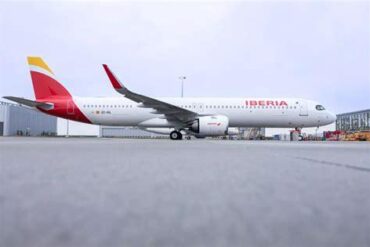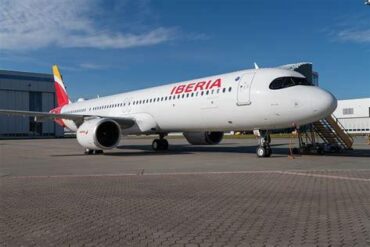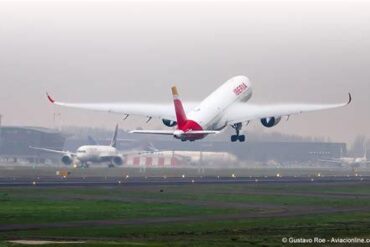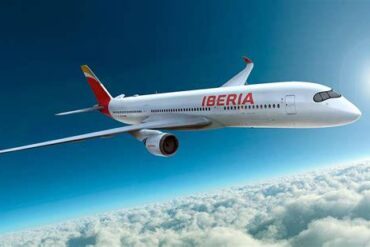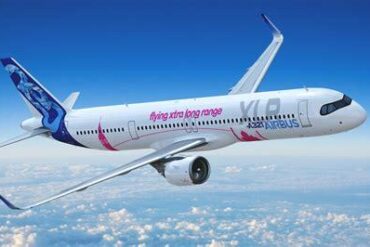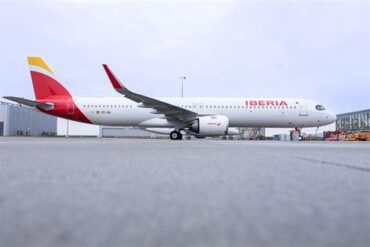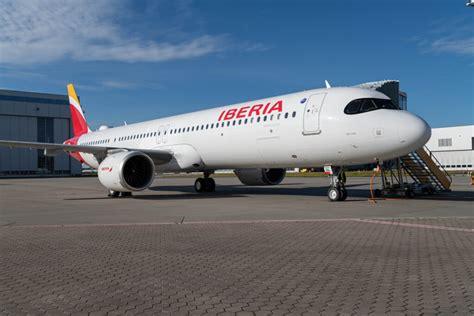
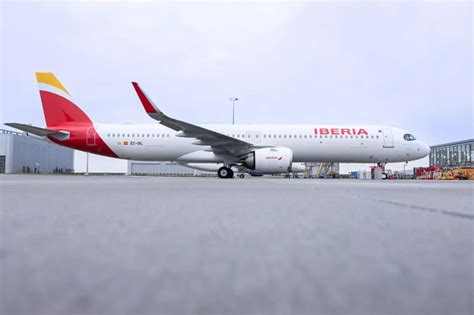
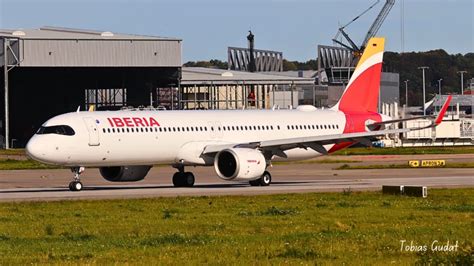
On a chilly night at London Heathrow, aviation history was rewritten as Iberia Airlines embarked on its first-ever transatlantic flight using the Airbus A321XLR, flying from Terminal 4S to Boston Logan International Airport. This was no ordinary route inauguration—it marked the debut of the world’s first single-aisle aircraft capable of true long-haul travel, a transformative moment for both Iberia and the broader aviation industry. As the first global carrier to operate the A321XLR, Iberia has positioned itself at the forefront of next-generation air travel, redefining what passengers can expect from narrow-body aircraft.
A Leap into the Future: What the Airbus A321XLR Means for Aviation
The Airbus A321XLR is not just an upgrade; it’s a complete reimagination of what a narrow-body aircraft can achieve. As the latest evolution in the A320neo family, the A321XLR boasts an extraordinary range of up to 4,700 nautical miles, making it capable of flying missions once reserved exclusively for wide-body aircraft. This innovation translates to 11-hour flights with lower operational costs, bringing new efficiency to international routes like London to Boston.
The aircraft builds on the success of the A321LR by offering 15% more range, thanks to its massive rear center fuel tank that holds 12,900 liters of fuel. For airlines, this means routes like New York to Rome or London to Vancouver are now feasible with a single-aisle plane—dramatically reducing costs while preserving passenger comfort.
Engineering Marvel: Inside the Structural Innovations
The A321XLR introduces a series of engineering improvements that enable its long-range capabilities. Most notably, the aircraft includes a new rear center tank, designed specifically to maximize fuel storage without compromising the cabin layout. This is coupled with reinforced landing gear, increasing the aircraft’s maximum takeoff weight to 101 tonnes, a necessary upgrade to handle the additional fuel and payload.
Aerodynamic improvements are also front and center. The aircraft’s enhanced wing trailing-edge flaps allow it to maintain exceptional takeoff and climb performance, even with the added fuel load. These upgrades help maintain the A320 family’s signature reliability while extending its reach far beyond traditional limits.
Revolution in the Cabin: Passenger Experience Elevated
The Airspace cabin, exclusive to newer Airbus models, is another hallmark of the A321XLR. Designed to provide a sleek, spacious, and technologically enhanced environment, the cabin emphasizes comfort, noise reduction, and modern aesthetics. Materials used throughout the interior are chosen for both weight savings and durability, contributing to the aircraft’s superior fuel efficiency.
Passengers onboard Iberia’s A321XLR will notice larger overhead bins, improved lighting systems, and a more tranquil cabin atmosphere. Combined with the reduced need for layovers and faster boarding associated with single-aisle aircraft, the overall travel experience is elevated without the hassle of larger, more cumbersome wide-body planes.
Sustainability in Focus: Lower Emissions, Greater Efficiency
With fuel efficiency improvements of 20% over previous-generation aircraft, the A321XLR isn’t just about performance—it’s about sustainability. In an era of growing environmental awareness, Iberia’s deployment of this aircraft aligns with global aviation goals to reduce carbon emissions while maintaining high standards of service. The ability to operate long-haul flights using less fuel per passenger is a major win for environmentally conscious travelers and cost-sensitive airlines alike.
These advances help Iberia lower its overall emissions footprint, making long-haul travel not just possible but responsible. As fuel prices and environmental regulations grow more stringent, the A321XLR stands out as a forward-thinking solution.
Iberia’s Strategic Vision: Redefining Long-Haul Networks
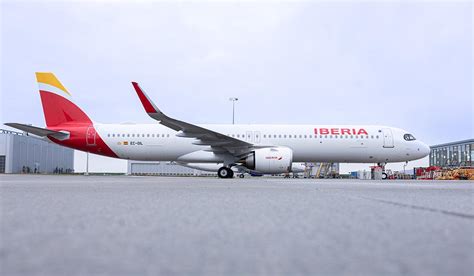
The introduction of the A321XLR into Iberia’s long-haul strategy is more than just an aircraft acquisition—it’s a strategic move that reshapes the airline’s transatlantic network. With three aircraft already flying and five more on the way, Iberia is leveraging the A321XLR’s capabilities to launch new point-to-point services that were previously economically unviable.
By flying directly between mid-sized cities without the need for a hub connection, Iberia opens new revenue opportunities while catering to underserved markets. It also enhances fleet flexibility, allowing the airline to dynamically deploy aircraft where demand warrants, without the risk and cost traditionally associated with wide-body operations.
The Transatlantic Pioneer: London to Boston Flight in Detail
The inaugural flight from London to Boston was the first true test of the A321XLR in Iberia’s transatlantic role—and it passed with flying colors. With a smooth departure from Terminal 4S, the aircraft soared over the Atlantic on a journey that showcased its fuel efficiency, cabin comfort, and performance under real-world conditions. Passengers noted the quiet cabin and seamless ride, a testament to Airbus’s design philosophy and Iberia’s operational excellence.
Iberia is now poised to add more long-haul routes from London, Madrid, and beyond using this aircraft. Whether connecting Spain to North America or tapping into new markets in Latin America and the Middle East, the A321XLR offers an unmatched combination of cost, comfort, and reach.
Market Impact: A Global Game-Changer
The A321XLR’s impact isn’t confined to Iberia alone. With over 550 orders globally, this aircraft is changing the game for airlines looking to expand long-haul networks without investing in wide-bodies. Carriers such as American Airlines, JetBlue, and Lufthansa Group have also embraced the A321XLR, indicating a significant shift in how global travel will evolve over the next decade.
By bridging the gap between short-haul efficiency and long-haul performance, the A321XLR blurs traditional fleet lines. Airlines can now deploy a single aircraft model across multiple mission profiles, streamlining maintenance, training, and operations, all while opening new direct routes that previously didn’t make financial sense.
Passenger Perspective: Comfort Without Compromise
For travelers, the A321XLR’s arrival means more non-stop flights, fewer connections, and less time spent in transit. Iberia’s cabin configurations emphasize business and economy comfort, with seats designed for longer flights, improved recline angles, and ample legroom.
Business travelers benefit from fully reclinable seats, high-speed connectivity, and onboard services that match traditional long-haul standards. Meanwhile, economy passengers enjoy enhanced seating, entertainment, and a quieter cabin thanks to improved acoustic design.
The result is a democratization of long-haul travel, where even single-aisle aircraft can offer premium comfort and service, expanding access and reducing overall travel stress.
Looking Ahead: What’s Next for Iberia’s A321XLR Fleet?
With five more A321XLRs scheduled for delivery, Iberia is just beginning to tap the full potential of this aircraft. Future destinations could include Toronto, Montreal, Bogotá, or Tel Aviv, further strengthening the airline’s reach and flexibility. As the fleet grows, Iberia can continue to replace older, less efficient aircraft while extending its long-haul presence.
The carrier’s investment in the A321XLR also complements its broader sustainability initiatives and cost-control efforts, reinforcing its competitive edge in a post-pandemic aviation landscape.
Conclusion: A New Era of Transatlantic Flight Begins
The launch of Iberia’s A321XLR service from London to Boston represents far more than a new route. It is the dawn of a new aviation paradigm, where long-haul flights are no longer the exclusive domain of wide-body aircraft. Iberia’s strategic foresight, combined with Airbus’s engineering brilliance, has birthed a future in which efficiency, comfort, and accessibility coexist.
As other airlines follow suit and passengers discover the convenience and comfort of single-aisle long-haul flying, the A321XLR will become a symbol of aviation’s next great chapter. For Iberia and for travelers worldwide, the sky has never looked more open.