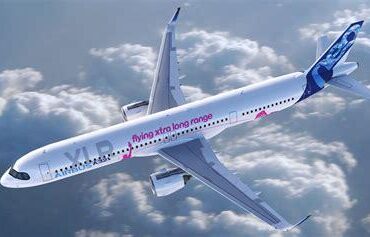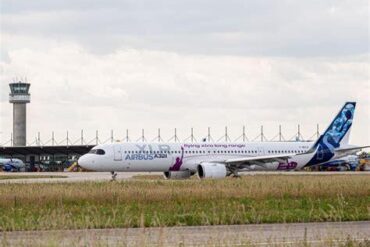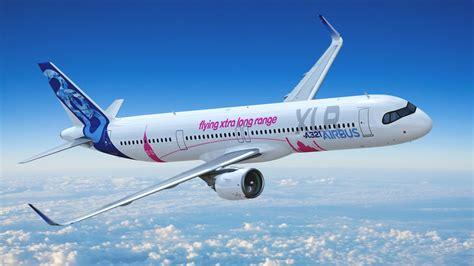
The Airbus A321XLR is not just a longer-range narrowbody—it is a disruptive force, reshaping what mid-market airlines can achieve. This January, three new transcontinental routes take off, signaling a pivotal moment in aviation strategy, fleet utilization, and intercontinental connectivity. Iberia and IndiGo, two very different carriers, are now leveraging the XLR’s capabilities in ways that push the boundaries of single-aisle aircraft. From Europe to South America, and from India to the Mediterranean, these new city-pair connections signal a dynamic shift in global route economics.
Iberia’s Strategic Leap: Madrid to Fortaleza
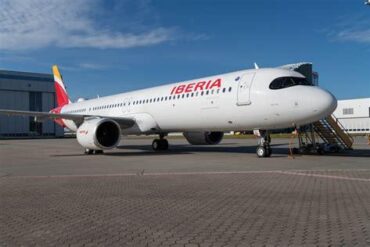
On January 19, Iberia reintroduces direct service from Madrid to Fortaleza, marking its second narrowbody route to South America. This move is not just symbolic—it’s deeply strategic. Previously served with tag-on flights via Recife aboard A340-300s back in 2011, Fortaleza has long sat on the periphery of Iberia’s ambitions. Now, with the arrival of the Airbus A321XLR, the Spanish flag carrier returns with nonstop flights in both directions, flying a distance of 3,272 nautical miles (6,060 km) in up to 8 hours and 45 minutes.
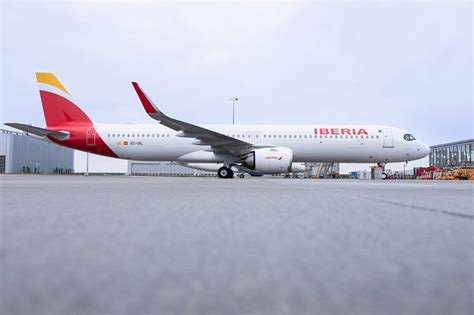
The aircraft—configured with 182 seats—is perfectly suited for such “long thin” markets. This route would not have been viable with traditional widebodies, as the demand is not high enough to fill larger cabins profitably. However, the XLR makes such connections economically sustainable, serving secondary cities with limited direct intercontinental access. Fortaleza becomes Iberia’s second XLR-powered Brazilian destination after Recife, and this launch positions Iberia as the only carrier using a narrowbody on the Europe–Fortaleza corridor. Other players—Air France, LATAM, and TAP Air Portugal—rely on traditional widebody aircraft, offering Iberia a unique efficiency advantage.
IndiGo’s Bold European Entry: Mumbai to Athens
On January 23, India’s largest airline, IndiGo, launches its first long-haul XLR service from Mumbai to Athens, marking a historic moment in the airline’s evolution. This will be one of its first intercontinental narrowbody routes, as well as its European debut with the XLR. The new service is slated to run three times weekly, flying 2,783 nautical miles (5,154 km) in just under 8 hours.
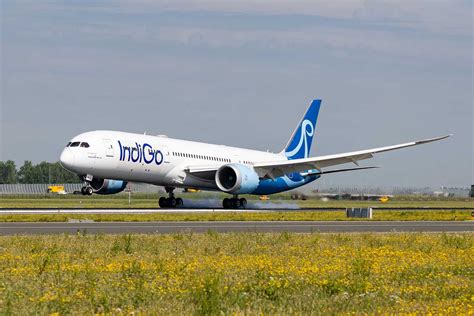
The newly delivered aircraft, registered VT-NLA, carries 195 seats, including 12 IndiGo Stretch seats with generous 44-inch pitch and 183 economy seats with 31-inch pitch. The configuration is high-density, providing operational efficiency in a market that offers modest yield potential. Athens-Mumbai is a niche city pair, drawing approximately 18,000 round-trip passengers annually, but IndiGo’s strategy isn’t just about point-to-point demand.
The goal is clear: Athens is set to become IndiGo’s new European gateway. Replacing Istanbul as a hub, the Greek capital offers simpler access into Southern and Central Europe. IndiGo previously relied on Turkish Airlines for feeder traffic through Istanbul, using ultra-high-density Boeing 777-300ERs. Now, with nonstop XLR service, IndiGo takes full control over its passenger experience and network flexibility.
Timing and Schedule: Mumbai to Athens
- Depart Mumbai: 9:50 AM → Arrive Athens: 2:15 PM (Flight Time: 7h 55m)
- Depart Athens: 3:25 PM → Arrive Mumbai: 2:05 AM next day (Flight Time: 7h 10m)
- Frequency: Mondays, Thursdays, Saturdays
These timings allow for convenient regional connections on both ends, optimizing fleet use while ensuring passenger convenience.
Delhi-Athens: IndiGo’s Next Ambitious Link
Not content with one route, IndiGo launches its second XLR-powered European flight on January 24, this time from Delhi to Athens. While structurally similar to its Mumbai counterpart, this new route introduces additional challenges and opportunities.
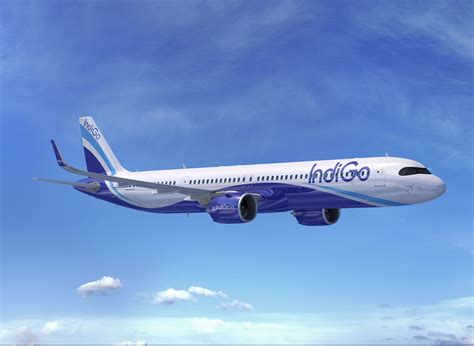
At 3,045 nautical miles (5,638 km), the route is slightly longer and is expected to take the full 8 hours and 45 minutes westbound. Due to airspace restrictions over Pakistan, actual flight paths may vary and often increase block times. Fortunately for IndiGo, Delhi-Athens has double the passenger volume of the Mumbai route, improving its chances of commercial success. With a Wednesday, Friday, Sunday schedule, the service mirrors the Mumbai operation, ensuring a consistent brand and service experience across both cities.
- Depart Delhi: 9:10 AM → Arrive Athens: 2:25 PM
- Depart Athens: 4:00 PM → Arrive Delhi: 3:10 AM next day
These timings will appeal to leisure and VFR (visiting friends and relatives) traffic, although the early-morning arrivals in India could deter some business travelers.
Strategic Implications: The A321XLR Reshapes Airline Networks
The launch of these three routes—two from IndiGo and one from Iberia—illustrates how the Airbus A321XLR is transforming global aviation. This aircraft has become a tool for experimentation, enabling airlines to target underserved or niche long-haul city pairs without the cost risks of deploying widebodies.
Iberia is using the XLR to expand its footprint in Latin America, tapping into secondary Brazilian markets unreachable with older equipment. IndiGo, on the other hand, is leveraging the aircraft to make its first major move into Europe—a highly competitive, complex market that rewards cost efficiency and strategic partnerships.
The contrast is telling. Iberia is an established legacy carrier using the XLR to enhance connectivity and reduce costs on routes where demand is real but diffuse. IndiGo is an ultra-low-cost carrier breaking into long-haul travel, adapting its model for the complexities of intercontinental service without sacrificing its core efficiency.
The Bigger Picture: More Routes, More Disruption Ahead
While these three new routes are not among the world’s top 10 XLR-operated flights by length or frequency, they signal a wider trend. More airlines are preparing to deploy the A321XLR throughout 2026 and beyond, unlocking thin transatlantic, South American, and Southeast Asian city pairs that once seemed unviable.
Airlines like American, Aegean, Saudia, and JetBlue are preparing their own XLR networks, each tailored to their fleet philosophy and customer base. Some will opt for premium-heavy configurations, others—like IndiGo—will maximize seat count. The common denominator is the newfound ability to blend range with right-sized capacity, a key metric in today’s unpredictable demand environment.
Ultimately, the A321XLR is a strategic equalizer, enabling carriers of all types to test bold routes, forge new alliances, and reimagine long-haul networks. As these three new services demonstrate, what once took a widebody and high load factors can now be accomplished by a lean, efficient single-aisle jet flying almost nine hours nonstop.
This is just the beginning.