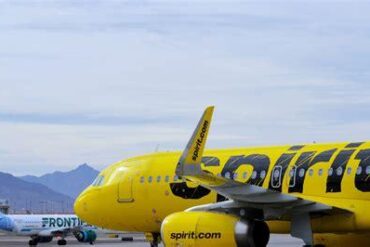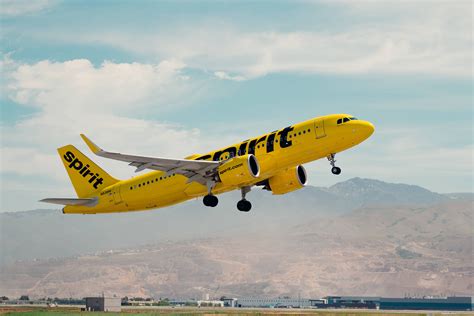
In a bold move that signals its aggressive resurgence from financial turmoil, Spirit Airlines has announced the launch of three new routes aimed squarely at challenging industry giants Delta Air Lines and Southwest Airlines. The ultra-low-cost carrier, known for its bright yellow aircraft and no-frills service model, confirmed that these routes will commence in August 2025, part of a larger network expansion following its emergence from Chapter 11 bankruptcy protection earlier this year.
Spirit’s Strategic Return to Growth
After enduring multiple setbacks—including pandemic-driven losses, a failed merger with JetBlue, and a court-sanctioned reorganization—Spirit Airlines is recalibrating its route map with surgical precision. Rather than confronting full-service airlines on their strongest turf, Spirit is targeting underserved and thinly contested city pairs, betting on its low-cost model to stimulate demand and carve out a niche.
The three newly announced routes, all set to launch mid-August, are emblematic of this strategy:
- Detroit (DTW) to Orange County (SNA) – Daily service begins August 13, directly challenging Delta’s five to six weekly Boeing 757-200 flights.
- Reno (RNO) to San Diego (SAN) – Thrice-weekly flights start August 14, competing with Southwest, which currently dominates the route.
- Minneapolis (MSP) to Myrtle Beach (MYR) – Twice-weekly service starts August 14, offering year-round connectivity where Delta’s seasonal presence fades.
In addition to these new services, Spirit will resume its seasonal route from Atlantic City to Miami on August 13, operating four times weekly.
Targeting Delta’s Premium Edge With Budget Power
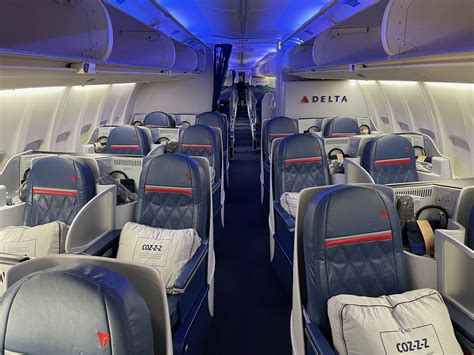
Among the most ambitious of these new routes is the Detroit to Orange County leg. Delta operates this connection using Boeing 757-200s, part of its premium 75S subfleet, which includes seatback screens, lie-flat business class seats, and full-service amenities. Spirit, in stark contrast, will deploy its Airbus A320s with dense seating configurations and an unbundled fare structure. However, it will leverage price as the ultimate differentiator, aiming to attract price-sensitive travelers unwilling to pay Delta’s premium fares.
Spirit’s daily frequency also surpasses Delta’s irregular five-to-six-day schedule, subtly asserting a greater commitment to the route despite lacking frills.
A Calculated Shot at Southwest on the West Coast
The Reno-San Diego corridor presents a more direct confrontation with Southwest Airlines, which commands the West Coast with an extensive schedule and brand loyalty. Spirit will fly the route only three times per week, a far cry from Southwest’s two to three daily flights in each direction. However, Southwest has long positioned itself on frequency and reliability, whereas Spirit is betting that price leadership alone can draw leisure travelers seeking short-hop coastal vacations.
Crucially, despite the competition, Southwest is the only carrier currently serving this city pair, making Spirit the first challenger in years to disrupt this monopoly.
Breaking Into Seasonal Market Gaps
Spirit’s Minneapolis to Myrtle Beach service strategically fills a gap left open by Delta, which runs the route only during summer months. Spirit’s launch, just four days after Delta’s seasonal withdrawal, gives it exclusive control of the market during fall and winter, a rare opportunity for an ultra-low-cost carrier to own a niche corridor with no direct rivals.
This move reflects Spirit’s broader strategy of avoiding head-on battles with legacy carriers on high-volume routes, and instead entering spaces where demand exists but is underserved or overpriced.

Spirit’s Network Overhaul and Restructuring
The airline’s strategy isn’t isolated to these three routes. After emerging from bankruptcy in March, Spirit Airlines initiated a sweeping reorganization of its route network, launching over 30 new routes while pruning underperforming segments. The aim is to maximize load factors, reduce operational inefficiencies, and recover market share lost during its turbulent years.
Spirit is no longer just expanding for expansion’s sake. It is methodically adding destinations where legacy carriers are either absent or complacent, leveraging its ultra-low cost structure to serve passengers who might otherwise drive or skip the trip entirely.
Fare Class Overhaul: Rebuilding Brand Perception
Alongside its route announcements, Spirit has revamped its fare offerings to attract a broader spectrum of travelers without sacrificing its low-cost identity. The airline now offers:
- Go Savvy – Includes seat selection and one bag (carry-on or checked).
- Go Comfy – Adds free snacks, drinks, priority boarding, and extra legroom or a blocked middle seat.
- Go Big – Previously just the “Big Front Seat,” this now bundles in WiFi, free bags, complimentary food/beverages, and waived change/cancel fees.
This overhaul is a direct response to criticism of Spirit’s rigid pricing model, and it reflects an effort to compete not just on cost but on flexibility and perceived value. The tiered fare structure better aligns Spirit with the modern expectations of millennial and Gen Z travelers, who seek choice, transparency, and affordability.
The Broader Competitive Landscape
Spirit’s renewed offensive comes at a time when legacy carriers like Delta and American Airlines are tightening their grip on lucrative long-haul and premium markets. Southwest remains formidable in short-haul and mid-range corridors. Spirit, lacking widebody aircraft and an international hub strategy, is carving its place in the underserved, domestic point-to-point market, which remains relatively untapped.
The move also highlights a growing realization within Spirit’s leadership: that the airline’s survival hinges not only on low costs, but on strategic route curation, customer experience upgrades, and flexible pricing models that don’t alienate travelers looking for more than the absolute bare minimum.
Looking Ahead: Can Spirit Sustain Momentum?
The road ahead for Spirit is complex. The airline must balance rapid expansion with profitability, avoid costly operational meltdowns, and maintain customer satisfaction in a business model built on cost discipline. Regulatory uncertainty still looms, and its JetBlue merger failure hangs over its future consolidation opportunities.
Yet these new routes signal intent: Spirit is not backing down from competition, even with giants like Delta and Southwest in its path. Its ability to offer low fares, paired with better packaging and smarter network strategy, could finally allow the carrier to escape its “budget-only” stigma and emerge as a flexible, resilient player in U.S. aviation.
Spirit Airlines may not be the airline that business travelers or premium passengers turn to first, but with these three routes, it proves once again that in the right markets, price and timing can outweigh legacy loyalty and onboard luxury.
Only time—and passenger demand—will tell if Spirit’s calculated bets will pay off. But for now, it has positioned itself as a fierce and relevant contender in a sky long dominated by titans.