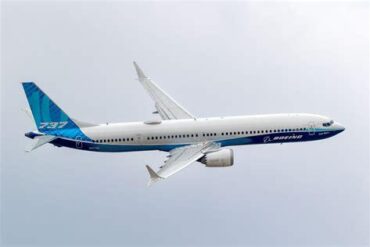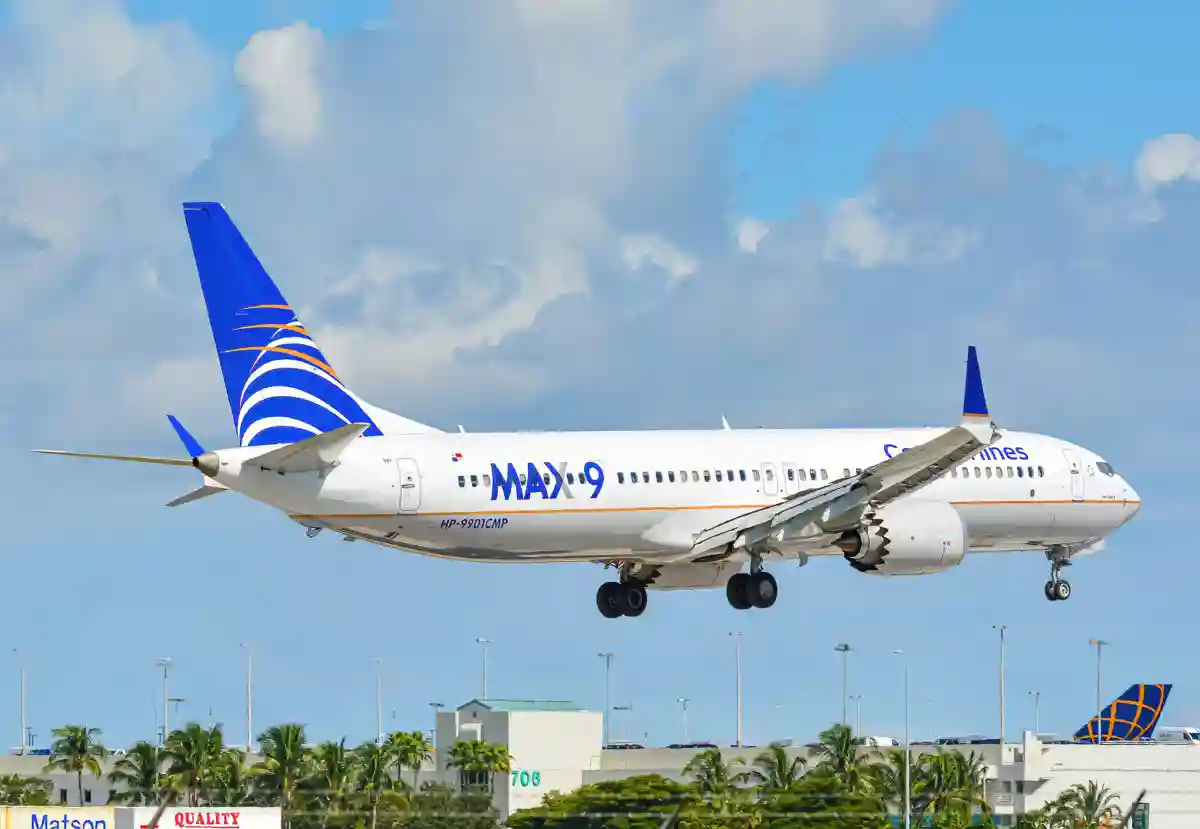
In a decisive move that redefines regional aviation strategy, Copa Airlines has joined forces—symbolically and competitively—with major U.S. carriers including United, American, Delta, Southwest, and JetBlue in a sweeping expansion of narrowbody aircraft operations. This surge in single-aisle fleet development is not just a logistical evolution but a strategic masterstroke to reshape the passenger experience, expand global connectivity, and redefine how airlines tap into high-demand international routes.
Copa Airlines Enters the Big League of Fleet Modernization
The significance of Copa Airlines aligning itself with U.S. powerhouses cannot be overstated. These carriers—historically dominant in single-aisle operations—are doubling down on fuel-efficient, long-range narrowbodies, notably the Boeing 737 MAX series and Airbus A321neo variants. Copa’s strategic synchronization places it on the map as not only Panama’s leading flag carrier but now a major contender in transcontinental aviation strategy.
United Airlines is aggressively expanding its MAX 10 orders. Delta is integrating A321neo variants into domestic and international mid-range flights. JetBlue has built its identity around efficient single-aisle service. American Airlines remains one of the largest A321 operators globally, and Southwest continues to anchor its business model around the 737 MAX 8. Copa Airlines’ entry into this elite group speaks volumes about its aspirations and capabilities.
San Diego: The Newest Player in Long-Haul Narrowbody Connectivity
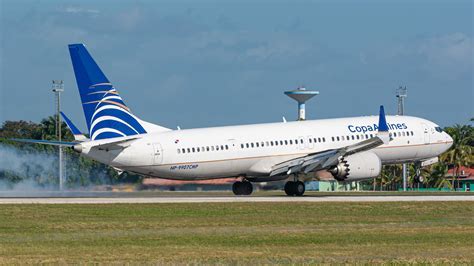
The centerpiece of this strategic maneuver is Copa Airlines’ newly inaugurated route between Panama City and San Diego International Airport (SAN)—a milestone that makes SAN a serious global gateway. This marks the first time in history that Central America is directly connected to San Diego, a city traditionally underserved in international travel beyond North America.
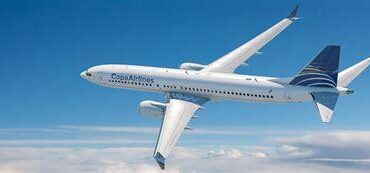
Launched on June 25, 2025, with four weekly flights, the route uses the Boeing 737 MAX 9, Copa’s highest-capacity narrowbody aircraft. This plane not only offers long-haul capabilities with reduced fuel burn but also delivers a quiet, modern cabin experience, a vital aspect for passengers on nearly 7-hour journeys.
With Panama City’s Tocumen International Airport serving as a robust connecting hub to the Caribbean and South America, this route represents far more than point-to-point service—it’s a gateway to dozens of onward destinations previously reachable only through time-consuming layovers.
Why Copa’s Move Is Perfectly Timed
Strategically, Copa’s entry into San Diego couldn’t be better timed. The summer season brings a surge in demand, and Copa plans to operate 279 weekly flights to North America in July, the highest number in its history. The airline’s internal booking analytics likely identified a glaring opportunity: over 340,000 passengers flew between San Diego and Latin America in 2023—without direct service.
Copa is now converting that latent demand into direct bookings. Travelers will no longer need to suffer long waits in Houston, Miami, or Los Angeles just to reach Panama, Colombia, or Costa Rica. Instead, they now have a fast, efficient alternative.
San Diego Achieves a Long-Range Narrowbody Milestone
What’s particularly impressive is the length of the new route. With a block time of up to 6 hours and 52 minutes, the San Diego–Panama City flight is officially the airport’s longest scheduled narrowbody operation. It eclipses even transcontinental U.S. destinations:
- Boston (6h 40m)
- New York JFK (6h 26m)
- Honolulu (6h 20m)
- Lihue (6h 24m)
This highlights the capabilities of next-gen narrowbodies like the MAX 9, which are enabling a new class of “long-thin” routes—low-volume but long-distance markets that previously required inefficient widebody jets or awkward stopovers.
The significance? Airlines can now profitably serve mid-sized cities on long-haul missions using narrowbodies, lowering emissions, reducing costs, and improving accessibility for underserved airports.
Flight Frequency and the Road Ahead
The San Diego–Panama route currently operates on Mondays, Wednesdays, Fridays, and Sundays, with afternoon departures from Panama and late-evening returns from the U.S. This frequency provides an excellent launchpad, but if demand remains robust—and all signs point to yes—Copa may soon consider daily operations.
San Diego is now part of a select group of cities added to Copa’s North American network post-2023, alongside Atlanta, Austin, Baltimore, and Raleigh-Durham. The pattern here is clear: Copa is methodically targeting fast-growing secondary U.S. airports that combine robust outbound tourism with strong inbound Latin American demand.
One Hurdle: Return Connection Timing
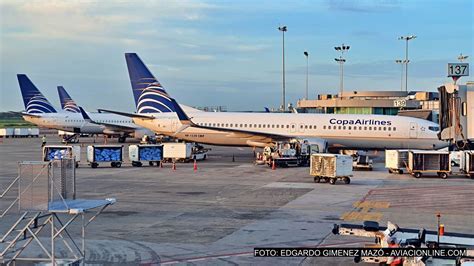
Despite all its promise, the new route does face one operational hiccup. The return flight arrives in Panama City at 5:25 a.m. local time, making it difficult for passengers to smoothly connect to deep South American cities like Santiago or Buenos Aires.
This early arrival creates long layovers, potentially weakening the route’s appeal for those venturing far south. However, Copa remains strong in Central America and Caribbean markets, where connections are better aligned. If demand justifies it, future network optimization could improve these timings to ensure a more seamless transit experience.
San Diego’s Growing International Profile
Copa’s commitment to San Diego underscores the airport’s transformation. Once known mainly for domestic or West Coast leisure traffic, San Diego International is emerging as a serious international player. The airport’s updated terminal infrastructure and increasing allure for international carriers position it to compete with traditional hubs in Los Angeles, San Francisco, and Phoenix.
The city’s economic footprint is also expanding. From biotech to tourism to defense, San Diego is growing in importance—and now its airport is catching up.

A Paradigm Shift in Airline Strategy
The bigger picture is this: Copa’s expansion reflects a paradigm shift in aviation. Long considered the domain of widebodies, international expansion is now dominated by narrowbody aircraft. These jets, especially the 737 MAX 9 and A321XLR, allow carriers to explore high-potential routes with fewer risks.
For airlines:
- Lower operating costs mean sustainable growth.
- Higher fuel efficiency improves profit margins.
- Simpler maintenance profiles allow faster deployment.
For passengers:
- More direct flights cut layovers and reduce travel fatigue.
- Modern cabins enhance onboard comfort.
- Broader route maps make spontaneous international travel more viable.
San Diego–Panama is the proof-of-concept. Expect to see more like it.
Implications for Competitors and the Market
This is a wake-up call for competitors. With Copa stepping into territory historically dominated by U.S. legacy carriers, the competitive landscape is shifting. Airlines like Delta and American will have to innovate further, offer better connection options, and upgrade services to maintain market share in these newly contested routes.
Southwest and JetBlue, which traditionally focused on domestic and nearshore flights, must now consider whether their strategies can accommodate longer narrowbody routes with meaningful customer demand.
Meanwhile, passengers benefit from greater choice, improved flight schedules, and enhanced international access—all without the heavy carbon footprint or high ticket prices associated with traditional widebody operations.
Final Outlook: A Win for Passengers, a Power Move by Copa
In launching this long-haul narrowbody route and joining the ranks of U.S. aviation heavyweights in fleet modernization, Copa Airlines has rewritten the rulebook. It has made a bet not just on a city or a plane, but on a global travel model built around efficiency, range, and strategic timing.
For travelers, it means faster routes, better pricing, and easier access to Central and South America. For San Diego, it’s the beginning of a new era in global connectivity.
And for Copa Airlines? It’s a clear statement that the sky is no longer the limit—it’s just the beginning.