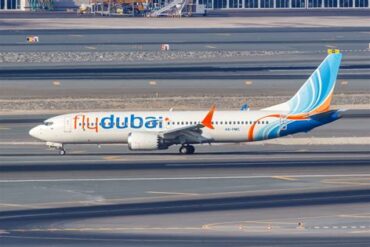
FlyDubai has shaken the global aviation industry with its announcement to order up to 150 Boeing 737 MAX aircraft, marking a pivotal move in the carrier’s ambitious expansion strategy. This comes just a day after placing an equally massive order for up to 150 Airbus A321neos, sending a clear message: FlyDubai intends to become a dominant force in regional and possibly global aviation.
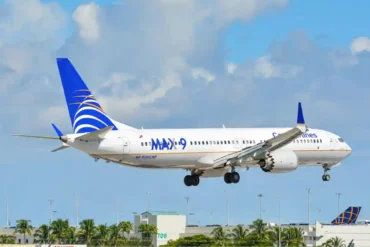
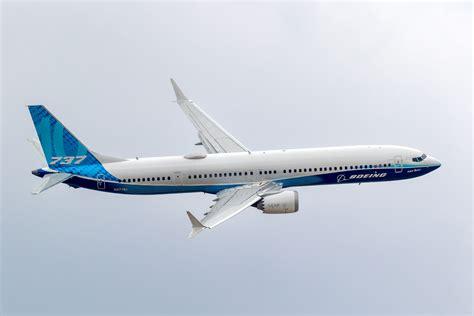
The Memorandum of Understanding (MoU) signed with Boeing outlines a firm commitment for 75 aircraft, with options for an additional 75. The airline has flexibility across the 737 MAX 8, MAX 9, and MAX 10 variants, though the latter is still awaiting certification. The specific breakdown and delivery timelines remain under wraps but are expected to align with FlyDubai’s long-term fleet strategy.
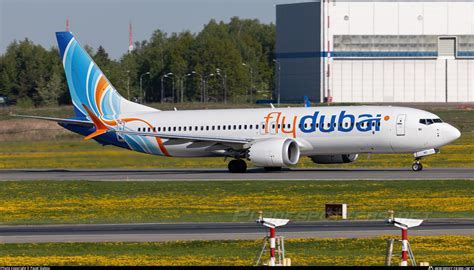
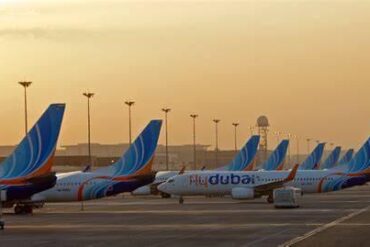
Currently operating a fleet of nearly 100 Boeing 737 aircraft, including 737-800s, MAX 8s, and MAX 9s, FlyDubai had already secured orders for almost 120 additional MAX jets before this week’s announcement. When combined with the recent order of 30 Boeing 787-9 Dreamliners and the new A321neo agreement, FlyDubai’s projected fleet trajectory becomes staggering:
- 68 Boeing 737 MAXs currently in operation
- 118 MAX aircraft already on order
- 30 Boeing 787-9s from a 2023 order
- 115 Airbus A321neo firm orders plus 35 options
- 75 additional MAXs firm orders plus 75 options
If all options are exercised, FlyDubai could oversee a fleet approaching 440 aircraft, quadrupling its current size. This level of growth is rare in the industry and signals an aggressive expansion blueprint.
Strategic Ambition or Risky Overreach?
This monumental order raises crucial questions: How sustainable is FlyDubai’s explosive growth model? According to Boeing’s market outlook, regional aircraft demand in the Middle East is expected to double over the next 20 years, a forecast many carriers—including FlyDubai—appear to be banking on.
FlyDubai’s confidence seems tied not only to anticipated demand but also to infrastructure developments, especially the eventual shift to Dubai World Central (DWC) Airport, which offers significantly more capacity. That transition could provide the operational backbone needed to support such a large fleet.
Yet the dynamic between Emirates and FlyDubai cannot be ignored. Both are owned by the Dubai government, yet operate as separate entities. Historically, FlyDubai has focused on underserved, short-to-medium haul routes, complementing Emirates’ long-haul network. However, with FlyDubai now expanding into wide-body and narrow-body territory, the network overlap is inevitable.
Given their similar pricing strategies and overlapping markets, the case for a merger grows stronger. A consolidation under the Emirates Group umbrella—potentially coinciding with the DWC move—could create a mega-airline, arguably the largest globally by fleet size and route coverage.
The Road Ahead: Challenges and Opportunities
While FlyDubai’s strategy signals confidence in the region’s economic and travel resurgence, it also invites scrutiny. Airline margins are notoriously thin, and the operating costs associated with such a massive fleet scale-up are significant. Crew training, maintenance infrastructure, regulatory compliance, and route profitability will be crucial.
The airline must also navigate 737 MAX brand perceptions, following global scrutiny and groundings in recent years. While Boeing has worked extensively to restore confidence, passenger sentiment can lag behind technical assurance.
However, if FlyDubai executes its vision with precision, it could emerge as a model for hybrid service airlines, balancing affordability with premium connectivity, leveraging scale, and filling network gaps where global full-service carriers and budget airlines fall short.
A Defining Moment for Dubai’s Aviation Ecosystem
This latest order is more than just an aircraft acquisition—it is a strategic signal of Dubai’s aviation ambitions. As the emirate seeks to cement its status as a global travel hub, FlyDubai’s aggressive growth plays a crucial role in supporting broader goals around tourism, logistics, and connectivity.
Whether this results in FlyDubai eclipsing its current role or merging into a reimagined Emirates entity remains to be seen. What is certain, however, is that the airline industry—and the world—will be watching closely.