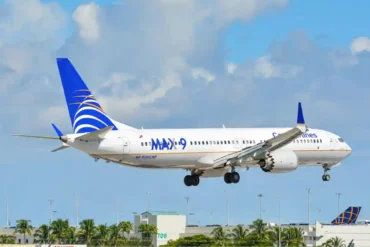
Copa Airlines has taken a decisive step toward reshaping its future, committing to a $13.5 billion order for up to 60 Boeing 737 MAX aircraft in a move that signals both confidence and ambition. Announced on April 28, the agreement with Boeing and GE Aerospace positions the Panama-based carrier for sustained expansion through the next decade, with deliveries scheduled between 2030 and 2034. This landmark order is not just about fleet growth—it is a calculated investment in efficiency, connectivity, and regional dominance.
The scale of the purchase makes it one of the largest fleet investments in Copa Airlines’ history, reinforcing a long-standing, strategically aligned relationship with Boeing. At a time when global aviation is recalibrating after years of disruption, Copa is leaning forward, not holding back. The airline expects its fleet to exceed 200 aircraft by 2034, supported by more than 100 new jets currently on order or planned. This signals a clear intention: to remain one of Latin America’s most efficient and profitable carriers.
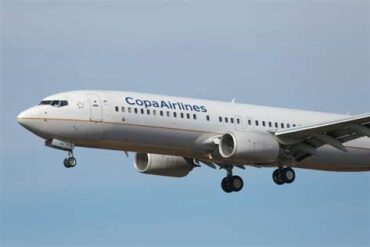
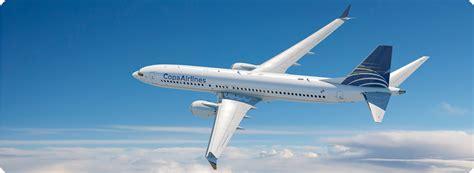
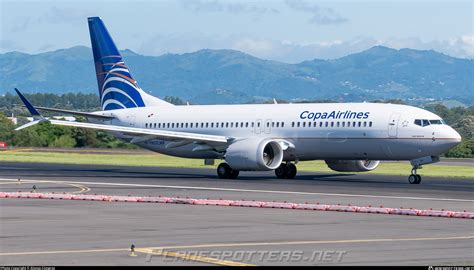
Currently operating an all-Boeing 737 fleet, Copa Airlines maintains a streamlined approach that simplifies operations and reduces costs. Its fleet includes 737 MAX 8 and MAX 9 variants, alongside older Next Generation (NG) aircraft such as the 737-700 and 737-800. The new order will gradually phase out aging jets while significantly expanding capacity, effectively doubling its 737 MAX fleet over time.
A Strategic Expansion Anchored in Efficiency
Copa’s decision to stick exclusively with Boeing’s narrowbody family is not accidental. A single-aircraft-type strategy offers tangible advantages in pilot training, maintenance, scheduling, and spare parts logistics. This operational simplicity translates directly into lower costs and higher reliability—two factors that have long defined Copa’s competitive edge.
The flexibility embedded in the order is equally important. The airline retains the option to select between the 737 MAX 8, MAX 9, and MAX 10, allowing it to tailor capacity to evolving market conditions. This adaptability is crucial for a network that spans short- and medium-haul routes across North, Central, and South America, as well as the Caribbean. Each variant offers different seating capacities and range capabilities, enabling Copa to fine-tune its fleet composition as demand shifts.
At the center of this growth strategy is Tocumen International Airport in Panama City, widely known as the “Hub of the Americas.” Copa has transformed this hub into one of the most efficient connection systems in the region, minimizing transit times while maximizing route connectivity. The new aircraft will enhance this model, enabling more frequent departures and improved scheduling flexibility.
Rising Demand Across Latin America Drives Growth
The order reflects a broader surge in Latin American air travel demand, a market that continues to rebound strongly. Copa Airlines expects to carry approximately 20.9 million passengers in 2026, with projections climbing beyond 27 million by the end of the decade. This growth is fueled by increasing tourism, business travel, and regional economic integration.
Copa currently serves 88 destinations across 32 countries, a network that has steadily expanded in recent years. The addition of new 737 MAX aircraft will allow the airline to launch new routes, increase flight frequencies, and optimize existing services. More importantly, these next-generation jets deliver significant fuel efficiency improvements, consuming less fuel than older 737NG models and reducing both operating costs and carbon emissions.
Beyond operational gains, the expansion carries meaningful economic implications. Each new aircraft is estimated to generate 60 to 70 direct jobs, suggesting that this order alone could support over 2,100 new positions in Panama. This reinforces Copa’s role not just as an airline, but as a key driver of national economic activity.
A Vote of Confidence in Boeing’s 737 MAX Program
For Boeing, the deal represents more than a commercial win—it is a strong endorsement of the 737 MAX program following years of scrutiny and recovery. The manufacturer has worked extensively to restore confidence, stabilize production, and address regulatory challenges. Securing a major commitment from a loyal, all-Boeing operator like Copa underscores the aircraft’s renewed credibility in the market.
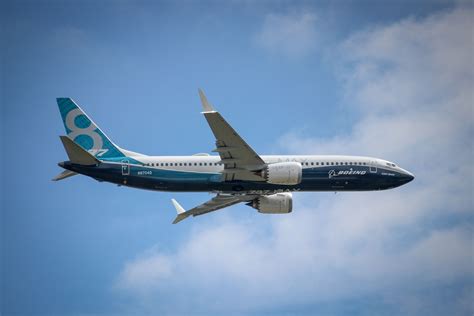
The inclusion of the 737 MAX 10 in Copa’s options adds another layer of strategic potential. As the largest variant in the MAX family, it offers increased seating capacity, making it ideal for high-demand regional routes. However, its future remains tied to pending certification from U.S. regulators, a process that has faced repeated delays. If approved, it could become a key asset in Copa’s expansion toolkit.
Industry-wide, airlines are racing to modernize fleets with fuel-efficient narrowbody aircraft, driven by rising passenger demand and pressure to reduce environmental impact. Copa’s investment aligns perfectly with this trend, positioning the airline to remain competitive in an increasingly crowded and dynamic aviation landscape.
Positioning for the Next Decade of Aviation
Copa Airlines is not merely adding aircraft—it is redefining its growth trajectory. By doubling down on the 737 MAX family, strengthening its hub strategy, and capitalizing on regional demand, the airline is setting itself up for a decade of sustained expansion. The numbers tell part of the story, but the strategy behind them reveals something deeper: a carrier that understands exactly where it wants to go—and is investing boldly to get there.