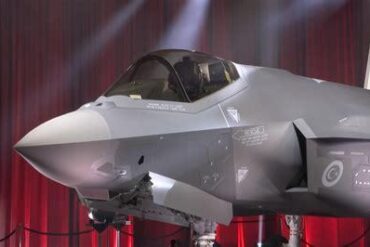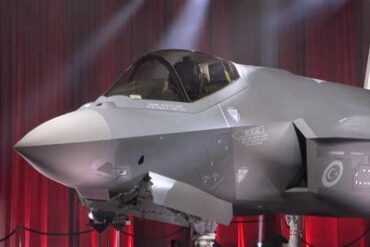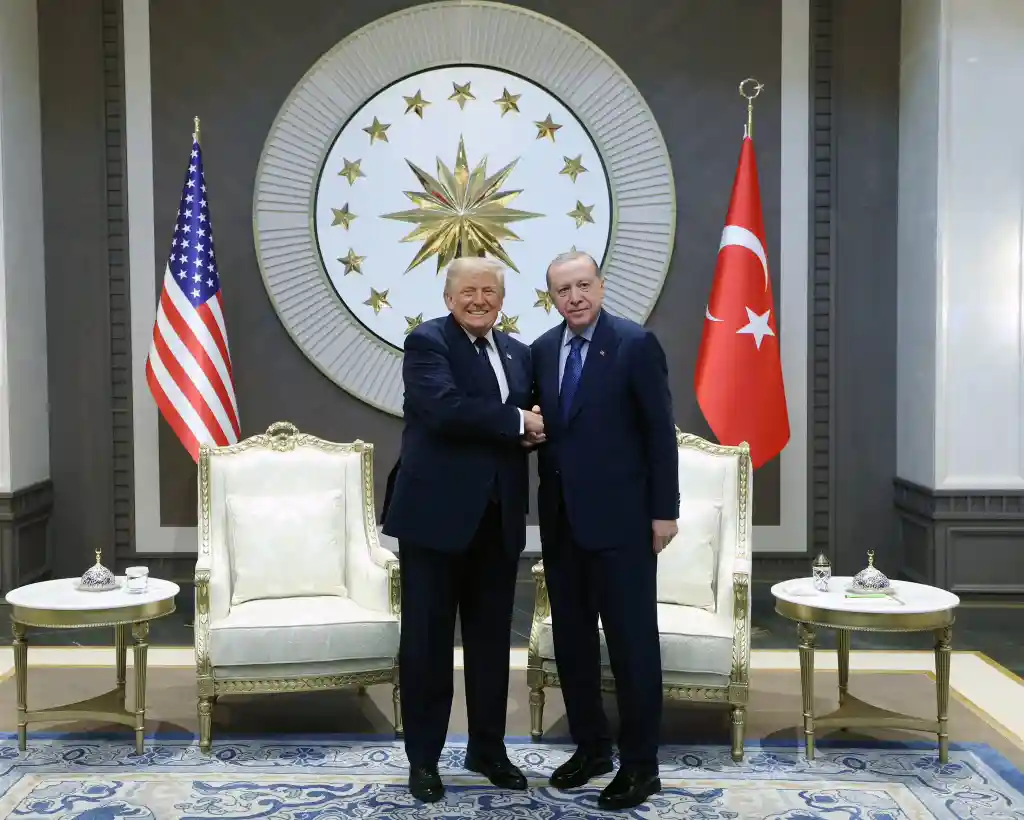
The prospect of Turkey returning to the Lockheed Martin F-35 Lightning II program has resurfaced after US President Donald Trump indicated that his administration is considering lifting sanctions and reopening discussions over the sale of the world’s premier fifth-generation fighter. The comments mark the most significant shift in US policy toward Ankara since Turkey was expelled from the multinational Joint Strike Fighter program in 2019 following its acquisition of the Russian-made S-400 air defense system. If the proposal advances, it could reshape NATO’s military balance while reigniting fierce debate in Washington and across the Middle East.
Trump made the remarks during a meeting with Turkish President Recep Tayyip Erdoğan at a NATO summit, describing the F-35 as “the best plane by far” and confirming that a decision on potential sales remains under consideration. Erdoğan responded optimistically, expressing hope that bilateral discussions would ultimately produce a favorable outcome for Turkey’s long-standing ambition to operate the stealth fighter. Although the statement stopped well short of announcing an agreement, it represented the clearest indication yet that Washington is willing to revisit one of the alliance’s most contentious defense disputes.
For Turkey, the possibility carries enormous strategic significance. Before its removal from the program, Ankara had been one of nine international partners contributing to the development and production of the F-35. Turkish industry manufactured hundreds of components for the aircraft, while the Turkish Air Force planned to acquire at least 100 F-35A fighters as the backbone of its future combat fleet. That vision collapsed after the United States concluded that operating the advanced stealth aircraft alongside the Russian S-400 system posed unacceptable intelligence and security risks.
The fallout fundamentally altered defense relations between the two NATO allies. Turkey was removed from the Joint Strike Fighter partnership, production contracts were transferred elsewhere, and sanctions were imposed under the Countering America’s Adversaries Through Sanctions Act (CAATSA) in late 2020. The decision also prevented aircraft that had already been built for Turkey from entering operational service. Two F-35s had even been ceremonially handed over in 2018 for pilot training in the United States, but they never left American custody and remain in storage after the cancellation of the transfer.
Despite Trump’s willingness to revisit the issue, major legal barriers remain firmly in place. Section 1245 of the 2020 National Defense Authorization Act explicitly prohibits transferring F-35 aircraft to Turkey unless the country demonstrates that it no longer possesses or operates the Russian S-400 missile defense system. Simply removing CAATSA sanctions would therefore not automatically authorize a fighter sale. Congressional approval would remain essential, and lawmakers from both parties have historically expressed deep reservations about restoring Turkey’s access to America’s most sophisticated combat aircraft.
Political opposition has already begun to emerge. Republican Senator John Cornyn publicly questioned reports suggesting a reversal of policy, reflecting broader skepticism within Congress. Concerns extend beyond domestic politics, with several US allies also watching developments closely. Israeli Prime Minister Benjamin Netanyahu has argued that transferring F-35s to Turkey could undermine Israel’s longstanding qualitative military edge and alter the regional balance of power. Those objections ensure that any future agreement will face intense diplomatic scrutiny in addition to legislative obstacles.
Beyond politics, the debate also centers on military technology and alliance security. The F-35 incorporates some of the most closely guarded stealth, sensor fusion, and electronic warfare capabilities ever developed by the United States. American defense officials have consistently argued that allowing a nation operating the Russian S-400 system to fly the aircraft could expose sensitive signatures and operational data to Moscow. Whether those concerns can be sufficiently addressed remains one of the defining questions surrounding any renewed negotiations.
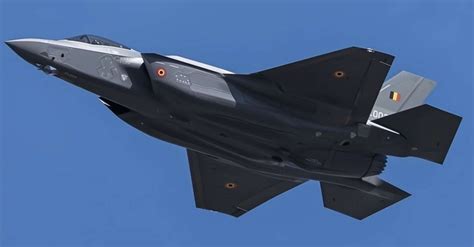
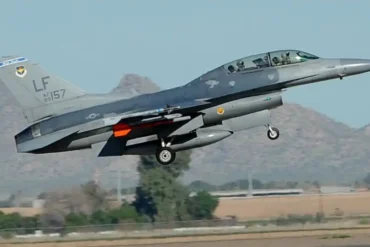
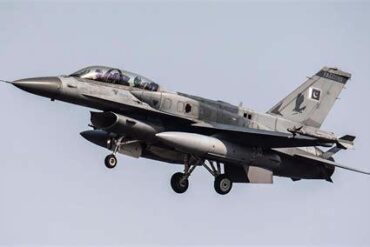
While uncertainty surrounds the F-35, Turkey has continued modernizing its air force through multiple parallel programs. The backbone of its combat fleet remains the F-16 Fighting Falcon, many of which are undergoing extensive modernization upgrades. In 2024, Ankara secured approval for the purchase of 40 new F-16 Block 70 fighters, ensuring that the aircraft will remain central to Turkish air power well into the next decade. The remaining fleet of F-4 Phantom II aircraft has largely been retired, closing one of the longest-serving chapters in Turkish military aviation.
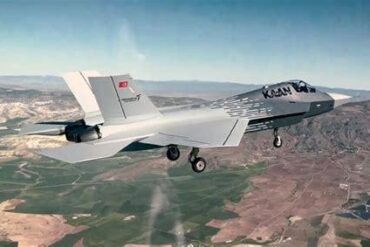
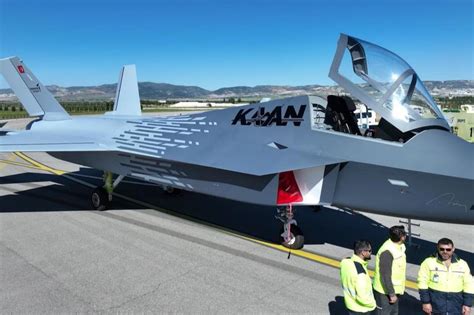
Turkey has also accelerated investment in its domestic aerospace industry. The TAI Kaan fifth-generation fighter completed its maiden flight in 2024, marking a milestone in Ankara’s ambition to achieve greater defense independence. Initial production aircraft are expected to use General Electric F110 engines while Turkish industry develops the indigenous TEI-TF35000 powerplant intended for future variants. Current projections envision operational deliveries around 2029, although large-scale production will require years of additional testing, certification, and systems integration.
Recognizing that the Kaan program will take time to mature, Turkey has also pursued an interim solution. In 2025, Ankara reached an agreement with the United Kingdom to purchase 20 newly built Eurofighter Typhoons, representing the country’s first order of a non-American fighter aircraft in more than seven decades. The Typhoon acquisition provides valuable capability during the transition period while also diversifying Turkey’s defense procurement strategy after years of uncertainty surrounding US fighter exports.
Trump’s renewed openness to F-35 sales therefore arrives at a pivotal moment. Turkey now possesses several parallel pathways to modernize its fighter force, reducing the urgency that once surrounded the Joint Strike Fighter while simultaneously strengthening Ankara’s negotiating position. Nevertheless, the F-35 remains unmatched in operational stealth, sensor integration, and multinational interoperability, making it the most attractive option should political barriers eventually disappear.
Whether the proposal evolves into a formal agreement will depend on far more than presidential support. Congressional approval, statutory restrictions, alliance concerns, and Turkey’s continued operation of the S-400 system all remain formidable obstacles. Even so, Trump’s comments have reopened a debate that many believed had been permanently settled. Seven years after Turkey’s dramatic removal from the F-35 program, one of the most consequential fighter aircraft negotiations in modern NATO history may once again be gathering momentum.