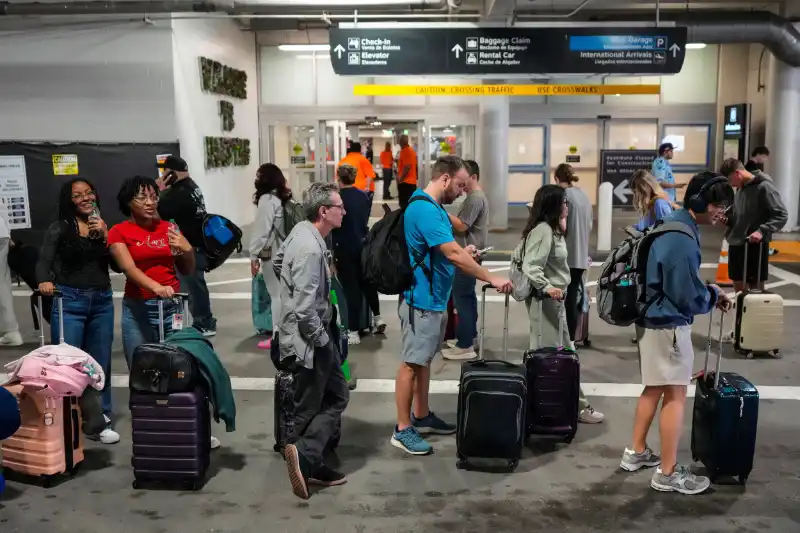
The ongoing Department of Homeland Security funding impasse has escalated into a high-stakes operational crisis at American airports, with President Donald Trump signaling a controversial plan to replace Transportation Security Administration (TSA) officers with Immigration and Customs Enforcement (ICE) agents. The proposal, framed as an emergency response to worsening airport conditions, arrives as security wait times surge and frontline workers face mounting financial strain.
As the partial government shutdown drags on, the nation’s aviation system is showing visible signs of stress. Reports of multi-hour security lines, missed flights, and understaffed checkpoints have become increasingly common, exposing the fragility of airport security infrastructure when federal workforce stability is disrupted.
Airport Security Strain Reaches Breaking Point
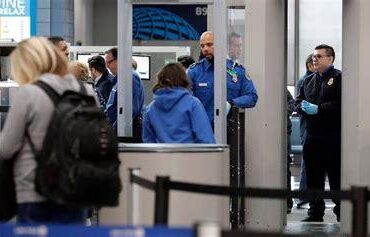
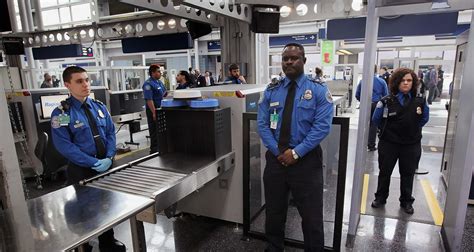
The TSA, responsible for screening millions of passengers daily, is operating under severe pressure. Approximately 50,000 officers have been required to continue working without guaranteed pay, a situation that has steadily eroded morale and attendance. Absentee rates at some airports have reportedly climbed toward 40%, forcing the closure of checkpoints and creating cascading delays.
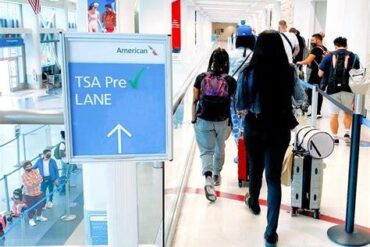
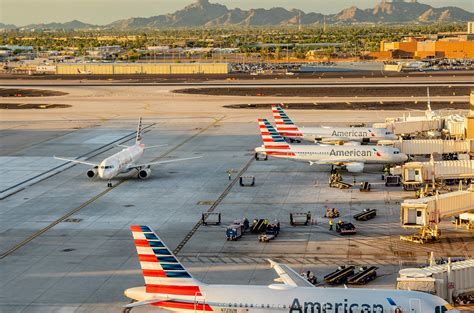
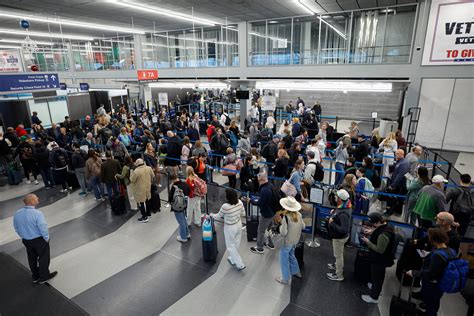
At Phoenix Sky Harbor International Airport, one of the hardest-hit locations, passengers encountered lines stretching across terminals after multiple checkpoints were shut down. Wait times ballooned to as long as five hours, causing widespread disruptions and missed departures. Similar scenes have played out at major hubs nationwide, underscoring the systemic nature of the issue.
The crisis is not merely logistical—it is deeply human. TSA officers, prohibited by law from striking, are navigating financial uncertainty as missed paychecks threaten their ability to cover basic expenses. Reports indicate that hundreds have already resigned since mid-February, while others have called out sick in increasing numbers.
Trump’s ICE Proposal Sparks Legal and Operational Debate
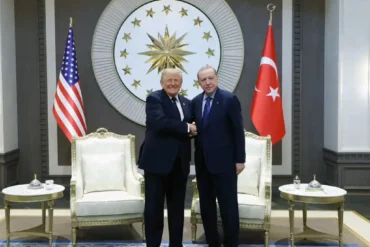
In response, President Trump has proposed deploying ICE agents to fill the gaps left by absent TSA personnel. In a public statement, he asserted that ICE could “do the job far better than ever done before,” framing the move as both practical and necessary to restore order at airports.
However, the proposal has ignited immediate debate. Critics point to federal regulations requiring TSA-certified personnel to conduct airport screenings, raising questions about whether ICE agents possess the legal authority or specialized training to perform such duties. Aviation security experts have also warned that substituting roles in a highly regulated environment could introduce new risks rather than resolve existing ones.
Despite these concerns, the administration appears prepared to move quickly. Trump indicated that ICE agents could be deployed as early as the beginning of the workweek, signaling a willingness to test the boundaries of executive authority in the face of operational urgency.
Political Deadlock Fuels Operational Fallout
At the heart of the crisis lies a deep political stalemate in Washington. The shutdown was triggered by disagreements over DHS funding, particularly surrounding immigration enforcement policies. Democratic lawmakers have pushed for funding measures that exclude certain enforcement functions, while Republicans have rejected partial solutions, insisting on broader provisions.
This impasse has left agencies like the TSA caught in the crossfire. While classified as essential, their employees are bearing the brunt of the funding gap, working without pay as negotiations stall. The situation is further complicated by Congress’s scheduled recess, which threatens to prolong the uncertainty and deepen the operational strain.
The ripple effects extend beyond federal workers. Airlines, airport authorities, and passengers are all grappling with the consequences of a system under duress, where even minor disruptions can quickly escalate into widespread delays.
Airports Turn to Public Support Amid Workforce Hardship
In an unusual move, several airports have begun appealing directly to the public for assistance. Phoenix Sky Harbor and Denver International Airport have launched initiatives encouraging donations to support TSA employees. Requested items include non-perishable food, hygiene products, and gift cards, reflecting the severity of the financial challenges facing these workers.
Airport officials have emphasized the essential role TSA officers play in maintaining safe operations. Their appeals highlight a growing recognition that the shutdown is not an abstract political dispute, but a tangible crisis affecting thousands of individuals on the front lines.
Phil Washington, CEO of Denver International Airport, noted that these efforts aim to “ease the stress” and make conditions “more bearable” for affected employees. The response from local communities has been supportive, but such measures are widely seen as temporary stopgaps rather than sustainable solutions.
Private Sector Voices Enter the Conversation
Adding another layer to the unfolding situation, billionaire entrepreneur Elon Musk publicly offered to cover the salaries of TSA workers during the shutdown. His intervention, while unconventional, underscores the broader economic and social impact of the crisis.
Musk described the situation as one that is “negatively affecting the lives of so many Americans,” drawing attention to the broader consequences beyond airport delays. While no formal mechanism exists for such private funding to be implemented, the gesture has amplified public discourse surrounding the government’s handling of the shutdown.
Uncertain Path Forward for U.S. Aviation Security
As the funding standoff continues, the future of airport security operations remains uncertain. The potential deployment of ICE agents represents a dramatic shift that could redefine roles within federal law enforcement at transportation hubs. Yet, legal hurdles and practical limitations suggest that any such move would face significant scrutiny.
Meanwhile, TSA officers approach another critical deadline, with the possibility of missing additional paychecks looming. Each passing day increases the likelihood of further staff reductions, longer wait times, and heightened passenger frustration.
The crisis unfolding at U.S. airports serves as a stark illustration of how political gridlock can rapidly translate into real-world disruption. Whether through legislative compromise or executive action, a resolution is urgently needed to stabilize the system and restore confidence in the nation’s aviation security framework.