The intersection of infrastructure funding and political symbolism has rarely been as stark as the latest dispute surrounding the future of New York’s long-awaited Gateway Project. At the center of the controversy is an extraordinary proposal: the release of more than $16 billion in frozen federal funding in exchange for renaming two of the nation’s most prominent transportation hubs—Washington Dulles International Airport and New York’s Penn Station—after President Donald Trump. The suggestion, emerging from negotiations between the White House and Senate Minority Leader Chuck Schumer, has ignited debate across political, aviation, and civic planning circles.
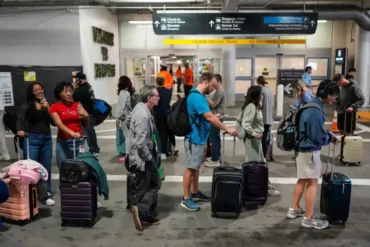
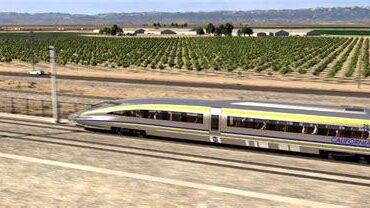
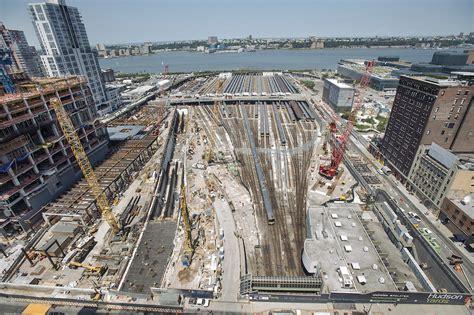
The Gateway Project itself is not a symbolic undertaking but a structural necessity. Designed to modernize and expand the aging rail infrastructure linking New York and New Jersey, the program includes new Hudson River tunnels, bridge upgrades, and expanded track capacity into Penn Station. Transportation analysts have long warned that without these upgrades, the Northeast Corridor—the busiest passenger rail line in North America—faces mounting reliability risks. Funding delays have already slowed progress, making the frozen federal allocation a critical pressure point in negotiations.
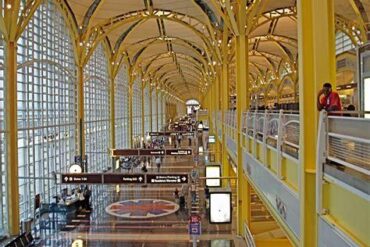
Reports indicate that the funding release was tied to a naming concession: rebranding Washington Dulles International Airport (IAD) and Penn Station in honor of the sitting president. Schumer rejected the proposal, stating that such naming authority does not fall within his legislative power. Governance of Dulles Airport rests with the Metropolitan Washington Airports Authority, an independent body that also oversees Ronald Reagan Washington National Airport. As such, the requested change would require a complex, multi-layered approval process far beyond a single political negotiation.
Why Washington Dulles Became the Focal Point
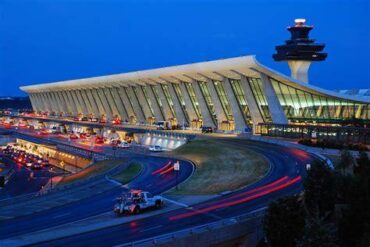
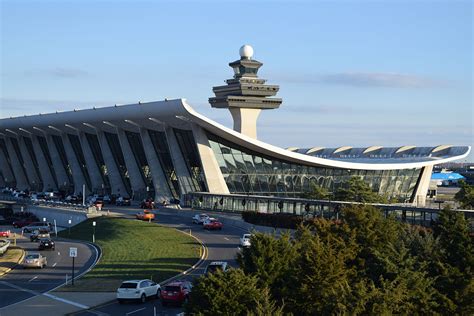
Washington Dulles International Airport occupies a unique symbolic and logistical role in the United States. Serving the nation’s capital, it functions as a principal diplomatic and international aviation gateway. Foreign dignitaries, state delegations, and global business travelers frequently pass through its terminals, giving the airport significance that extends beyond transportation logistics into geopolitical theater.
The airport is also undergoing renewed federal scrutiny. A recent U.S. Department of Transportation initiative has explored large-scale revitalization, inviting proposals to redesign or replace aging terminals and concourses. Officials have described existing infrastructure as outdated and inefficient, arguing that Dulles requires a “complete refresh” to operate as a premier global gateway. This modernization conversation adds another layer to the naming debate, intertwining branding, investment, and national identity.
Operational Scale and Strategic Importance
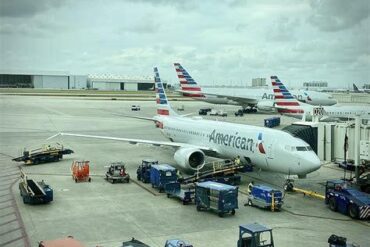
From an aviation operations standpoint, Dulles is among the most consequential airports in North America. It serves as a major hub for United Airlines, which operates extensive domestic routes alongside one of its largest transatlantic networks from the airport. This dual domestic-international role gives Dulles strategic weight within airline alliance systems, particularly Star Alliance.
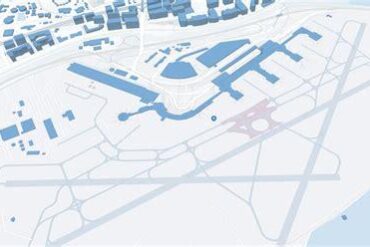
Partner carriers such as Lufthansa, Turkish Airlines, and All Nippon Airways rely on United’s connectivity at IAD to funnel passengers across continents. The airport’s four-runway configuration—three parallel north-south runways and one crosswind runway—allows it to handle heavy traffic volumes efficiently, including large widebody aircraft.
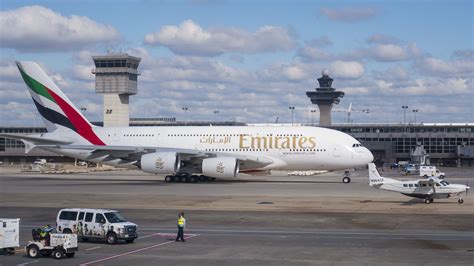
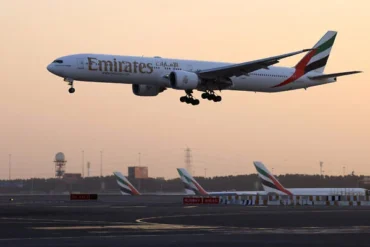
Notably, Dulles supports Airbus A380 operations, including Emirates’ daily Dubai service. The presence of the world’s largest passenger aircraft underscores the airport’s infrastructure capacity and its importance in long-haul global travel. Previous A380 services from British Airways and Lufthansa further illustrate its historical role as a heavyweight transatlantic gateway.
Political Branding vs. Institutional Governance
The naming proposal highlights a broader tension between political branding and institutional governance. Transportation infrastructure in the United States is typically overseen by layered authorities—federal agencies, regional commissions, and independent operators. This diffusion of power exists precisely to prevent unilateral symbolic or political influence over nationally critical assets.
Schumer’s rejection was rooted less in ideology than in procedural reality. Even if political consensus existed, renaming Dulles would require coordination across federal legislation, regional airport authorities, and public consultation frameworks. Penn Station, similarly, involves multiple stakeholders including Amtrak, New Jersey Transit, the Long Island Rail Road, and state agencies.
The episode illustrates how infrastructure funding can become entangled with cultural legacy debates. Naming rights are not merely cosmetic; they influence historical memory, civic identity, and international perception.
Historical Precedents in Airport Renaming
Airport renaming is far from unprecedented. In the United States alone, several major hubs have undergone identity transformations tied to political or cultural commemoration. New York’s John F. Kennedy International Airport was originally known as Idlewild Airport before being renamed in 1963 following the president’s assassination.
Washington National Airport was later renamed Ronald Reagan Washington National Airport, honoring the 40th U.S. president. That change, while ultimately successful, required federal legislation and sparked its own political debate at the time.
Internationally, airport naming often blends national pride with global branding. Madeira’s Funchal Airport in Portugal was renamed Cristiano Ronaldo International Airport in 2017, reflecting the footballer’s birthplace and cultural influence. Liverpool John Lennon Airport in the United Kingdom honors the Beatles icon, while Paris Charles de Gaulle Airport commemorates France’s former president and wartime leader.
These examples demonstrate that renaming major aviation hubs is typically retrospective—honoring legacies rather than negotiating present-day political leverage.
Infrastructure Stakes Behind the Symbolism
Lost beneath the headline-grabbing naming dispute is the urgent infrastructural reality of the Gateway Project. The existing Hudson River rail tunnels, damaged during Hurricane Sandy in 2012, continue to operate beyond their intended service life. Engineers warn that a prolonged shutdown of even one tunnel could cripple regional rail capacity by as much as 75 percent during peak periods.
The project’s broader scope includes bridge rehabilitations, track expansions, and station capacity upgrades. Together, these improvements aim to future-proof the Northeast Corridor against rising passenger demand and climate vulnerability. Economic analyses suggest the corridor supports trillions in annual economic output, meaning infrastructure failure would reverberate nationally.
Public Perception and Political Optics
Public reaction to the naming proposal has been predictably polarized. Supporters frame it as a symbolic recognition of presidential legacy tied to tangible infrastructure delivery. Critics view it as transactional branding attached to essential public funding—an uncomfortable blending of governance and personal commemoration.
Airports, perhaps more than most infrastructure, function as national front doors. Their names appear on passports, boarding passes, diplomatic itineraries, and global route maps. Altering that identity carries reputational implications extending well beyond domestic politics.
An Unresolved Negotiation With Lasting Implications
For now, the funding remains frozen and the naming proposal unfulfilled. The Gateway Project continues forward in partial phases, but without full federal backing its timeline faces uncertainty. Meanwhile, Washington Dulles International Airport proceeds with modernization planning independent of the political dispute surrounding its name.
The episode serves as a case study in how infrastructure, politics, and symbolism can collide in unexpected ways. Transportation systems are engineered from steel and concrete, yet they are also shaped by narrative, legacy, and power. When funding negotiations begin to hinge on naming rights, the debate shifts from logistics to identity—raising enduring questions about how nations choose to brand their gateways to the world.