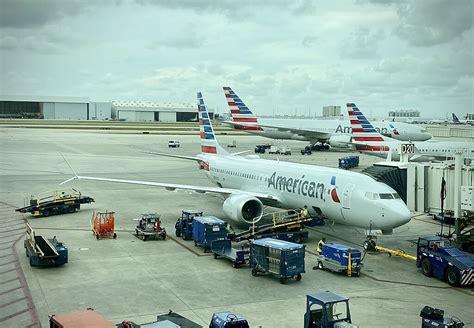
A promising aviation career has crumbled under the weight of a devastating human trafficking accusation, leaving an American Airlines flight attendant grappling with reputational ruin, professional exile, and a haunting question: can justice truly prevail in the face of opaque security policies?
The incident—rooted in a bizarre and disturbing transport assignment gone wrong—has sent shockwaves through the airline industry. Despite the dismissal of criminal charges, the flight attendant has been barred from all secure airport areas by the Transportation Security Administration (TSA), effectively ending his career.
The Flight Attendant’s Fall From Grace
Before this ordeal, the now-former flight attendant operated out of Dallas–Fort Worth International Airport (DFW), one of the busiest American Airlines hubs. He was well-regarded, with a clean record and a strong work ethic. But everything changed in June 2023, when he accepted an after-hours gig with a USDA-certified pet transport company. The assignment? Move three animals from Mexico to San Antonio International Airport (SAT).
However, the seemingly routine job turned into a nightmare. After repeated delays and last-minute route changes, the final pickup location was switched to Eagle Pass, Texas, a known border town. Upon arrival, instead of animals, the flight attendant was met by a group of human passengers—undocumented migrants—and a series of ominous phone calls from anonymous individuals demanding he proceed.
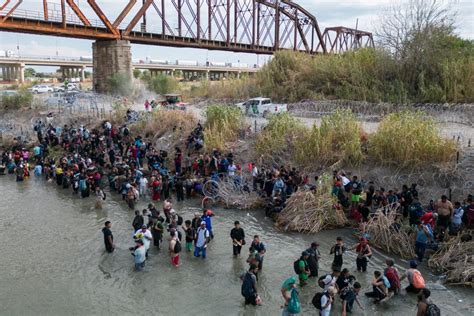
Frightened and under pressure, he drove toward San Antonio. Authorities quickly intercepted the vehicle, uncovering what they classified as an unauthorized human transport operation. The TSA was alerted. Soon after, prosecutors filed human trafficking charges against him.
Legal Charges Dismissed, But TSA’s Sanction Remains
Despite his immediate cooperation with law enforcement, the judicial process took months. By October 2023, after examining phone records, testimonies, and behavioral evidence, authorities acknowledged that the attendant had been manipulated and coerced, not complicit. The charges were dropped.
But the TSA, operating under its own internal framework, held firm. Using a clause that allows action based on “information indicating potential risk” rather than conviction, the TSA revoked his access credentials, rendering him ineligible for any role within secure airport zones.
In the highly regulated world of commercial aviation, this sanction equates to professional death. No commercial airline can retain a crew member who lacks TSA clearance, particularly in roles that require airside access.
Industry Fallout and Crew Morale Crisis
The fallout from this decision stretches far beyond a single employee. For flight crews, especially those based at major hubs like DFW or Miami International Airport (MIA), the case highlights a deep vulnerability. If exoneration in court is not enough to restore status, many wonder—what safeguards exist for aviation workers caught in similar scenarios?
Aviation unions have raised alarms. Organizations such as the Association of Professional Flight Attendants (APFA) are demanding a transparent and fair appeal process that reconciles TSA determinations with judicial outcomes. The discrepancy between legal acquittal and professional incapacitation threatens to unravel trust in the very systems designed to ensure aviation security.
Moreover, airline executives are uneasy. In an era where crew shortages and operational disruptions are already endemic, losing qualified staff to administrative purgatory imposes serious logistical and reputational costs.
TSA Policy Under Scrutiny
Since 9/11, the TSA has steadily increased its authority, particularly concerning personnel vetting. Employees undergo regular background checks, fingerprinting, and behavioral analysis. But critics argue the system lacks nuance. In cases where someone is cleared legally, the continued designation as a “security risk” creates a dangerous precedent.
Legal scholars and aviation analysts alike are questioning whether TSA security threat assessments should operate in parallel—or in conflict—with court rulings. In the absence of transparency, the system appears unforgiving and opaque.
There’s growing pressure on federal lawmakers to clarify the boundaries of TSA authority. As it stands, even false accusations can lead to indefinite suspension of access without any real path to reinstatement. In such an environment, fear—not justice—becomes the dominant force.
Border Transport Risks and Increasing Exploitation
This incident also puts a harsh spotlight on vulnerabilities along the U.S.–Mexico border, especially near Eagle Pass and Laredo, where commercial and private transport often intertwine. Criminal trafficking networks increasingly exploit these routes, masquerading as legitimate businesses to recruit unwitting participants.
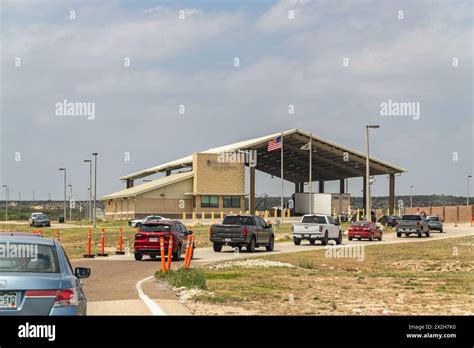
For aviation professionals moonlighting in pet transport or logistics—common among flight attendants supplementing their income—the risks are considerable. Without standardized vetting of third-party assignments or robust client identity checks, even a side gig can become a legal trap.
Human Cost of Security Overreach
Stripped of income, purpose, and his professional identity, the former flight attendant now faces financial ruin and emotional devastation. His story has become a cautionary tale whispered in crew lounges and union forums: even complete innocence offers no shield against bureaucratic machinery.
Fellow crew members have described him as diligent and principled. They are now campaigning for a reassessment of his TSA status, arguing that punishing someone who was demonstrably misled not only wrecks lives—it sends a chilling message across the entire aviation community.
The emotional toll is immense. After years of dedicated service, one incident beyond his control has nullified his career. Efforts to transition into related sectors have been blocked by the same TSA designation. He remains in limbo.
Airlines Caught in the Crossfire
For American Airlines, the situation is delicate. While public-facing comments remain neutral, internal sources indicate concern about setting precedents that may alienate other loyal employees. In the hyper-competitive world of post-pandemic aviation, retaining experienced staff is critical.
Some within the company argue for reinstating cleared staff who can demonstrate both innocence and value. Others fear drawing regulatory attention by challenging TSA determinations. It’s a balancing act: risk bureaucratic ire or lose faith among frontline workers.
As international air traffic to and from Mexico surges, airlines are also under pressure to scrutinize third-party services more closely. The borderlands are a legal gray zone where commerce, migration, and crime often blur together. For airline workers, venturing into that space—however well-intentioned—now carries grave consequences.
Policy Reform Demands Grow Louder
Industry advocates and legal experts have begun drafting proposals aimed at reforming TSA credentialing procedures. Suggested measures include:
- Clear timelines for status reviews after court acquittals
- Independent panels for appealing TSA determinations
- Temporary reinstatement options pending review
The hope is to introduce a balance between risk management and restorative justice, allowing airline employees who’ve proven their innocence to return to the workforce.
Consumer trust also hinges on perceived fairness. If airlines are seen as discarding employees without due process, public confidence may wane—especially among frequent travelers loyal to specific crews and carriers.
The Road Ahead
What began as an odd job involving pets has mutated into a story that encapsulates the fragility of aviation careers, the limits of due process, and the costs of unchecked security power. For the former American Airlines attendant, the path forward remains uncertain. Legal options are limited, and the job market remains hostile to anyone labeled a “security threat.”
Yet his story may become a catalyst. Already, industry roundtables, union meetings, and policy forums are using his case as a model for reform. It has exposed cracks in a system once believed to be airtight. And while airlines cannot compromise on safety, neither can they afford to abandon justice.
In the high-altitude world of aviation, where every movement is tracked and every second counts, the margin for error is small. But when systems fail the innocent, the descent is fast and brutal.
Behind every uniform lies a life. Behind every accusation, a ripple effect of consequences. As the industry stares down questions of trust, safety, and fairness, the one truth that remains is this: what happened in Eagle Pass must not be forgotten.