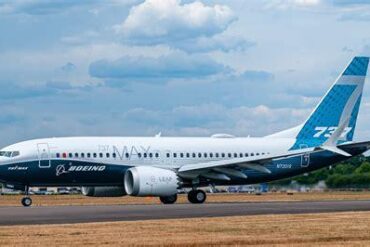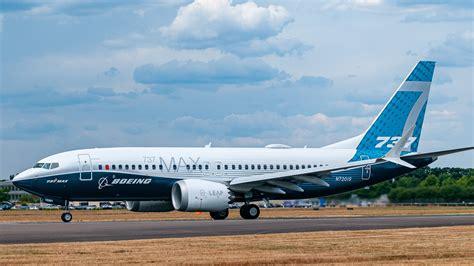
Boeing’s prolonged effort to certify the final two members of the 737 MAX family is finally approaching a decisive moment. According to FAA Administrator Bryan Bedford, the Boeing 737 MAX 7 is now expected to achieve certification during the summer of 2026, while the larger 737 MAX 10 could receive regulatory approval before the end of the year. The announcement marks one of the clearest public timelines yet for aircraft that have spent years trapped in technical reviews, redesign work, and heightened federal scrutiny.
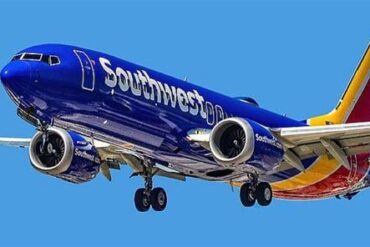
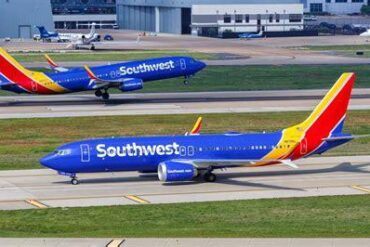
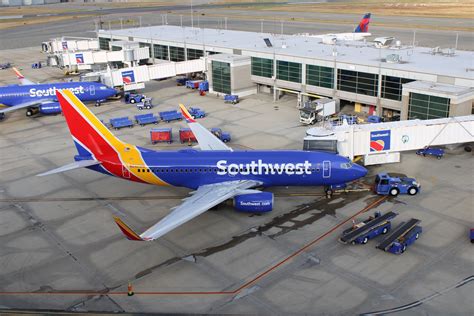
The update is particularly significant for airlines that have built future fleet plans around the two delayed variants. Among them, Southwest Airlines remains the most exposed to the MAX 7 timeline. The Dallas-based carrier has nearly 270 firm orders for the aircraft and has long intended to use the shorter MAX variant as a cornerstone replacement for aging Boeing 737-700 jets. Although Southwest recently acknowledged that it does not expect MAX 7 deliveries in 2026, certification this summer would finally move the aircraft closer to commercial service after repeated setbacks.
The FAA chief delivered the latest outlook during remarks at the International Aviation Club in Washington, where he also expressed support for Boeing’s broader manufacturing recovery. Bedford indicated that the regulator is increasingly comfortable with Boeing’s production stabilization efforts as the company prepares to raise monthly 737 MAX output over the next two years.
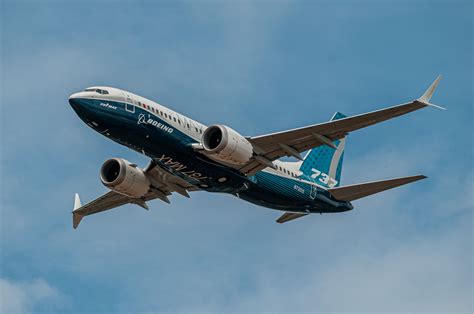
Boeing Nears The End Of A Difficult Certification Campaign
The certification delays surrounding the MAX 7 and MAX 10 trace back to the wider crisis that engulfed the 737 MAX program following two fatal crashes involving the MAX 8 in 2018 and 2019. The worldwide grounding of the aircraft family forced regulators to fundamentally rethink how Boeing aircraft are reviewed, tested, and approved. As scrutiny intensified, additional technical concerns surfaced across multiple variants, including issues involving the engine anti-icing system.
Regulators determined that the anti-icing design on the MAX 7 and MAX 10 could potentially overheat portions of the engine inlet structure under certain operating conditions. That finding triggered a lengthy redesign effort that forced Boeing to revisit systems engineering, testing procedures, and software integration work. The company has since finalized modifications intended to keep temperatures within acceptable safety margins while also implementing changes to the engine Load Reduction Device to prevent oil leakage concerns.
Boeing CEO Kelly Ortberg recently stated that both aircraft have completed more than 80% of their required certification flight testing. He described the program as having a visible “light at the end of the tunnel,” suggesting the manufacturer no longer expects major disruptions during the remaining approval process. That optimism now appears to align with the FAA’s latest timeline projections.
Why The MAX 7 Matters To Southwest Airlines
For Southwest Airlines, the MAX 7 represents far more than a routine fleet addition. The airline operates one of the world’s largest all-Boeing fleets and has strategically centered much of its future network planning around the aircraft. The MAX 7 offers improved fuel efficiency, lower emissions, and stronger operating economics compared to the older 737 Next Generation aircraft it is intended to replace.
Because Southwest primarily operates short- and medium-haul domestic routes, the smaller MAX 7 fits naturally into its network structure. The aircraft provides operational flexibility while maintaining fleet commonality, a critical advantage for an airline built around simplified maintenance and pilot training systems.
However, the repeated delays have forced Southwest to continuously revise capacity forecasts and fleet growth assumptions. The carrier has repeatedly adjusted schedules and aircraft retirement plans while waiting for Boeing and the FAA to complete the certification process.
The MAX 10 Holds Far Greater Commercial Importance
Although the MAX 7 has attracted substantial attention because of Southwest’s dependence on the program, the 737 MAX 10 arguably carries even greater financial significance for Boeing. The stretched narrowbody variant competes directly against the highly successful Airbus A321neo, one of the strongest-selling aircraft in the global aviation market.
Boeing has accumulated approximately 1,400 MAX 10 orders, vastly exceeding demand for the MAX 7. Major US carriers including American Airlines, Delta Air Lines, and United Airlines all have significant commitments tied to the aircraft. International customers such as Ryanair, Pegasus Airlines, and VietJet have also placed major orders.
The MAX 10’s larger seating capacity and improved economics make it attractive for high-density domestic and regional operations. Boeing views the aircraft as essential to maintaining competitiveness in the lucrative narrowbody segment, where Airbus has gained considerable momentum during the MAX crisis years.
Industry analysts have increasingly speculated that Boeing prioritized MAX 10 certification work because of the aircraft’s commercial value and the strategic pressure posed by Airbus dominance in the upper narrowbody market.
Boeing Expands Production As Confidence Slowly Returns
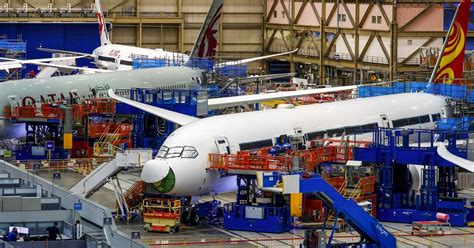
The improving certification outlook arrives as Boeing attempts to restore stability across its commercial aircraft business. Bedford confirmed that Boeing plans to gradually increase monthly 737 MAX production from 42 aircraft to 47 before eventually reaching 52 jets per month in early 2027. The expansion will be supported by the activation of a fourth 737 production line at Boeing’s Everett facility.
The FAA’s willingness to support higher production rates suggests regulators believe Boeing has made measurable improvements in manufacturing oversight and quality control processes. That confidence remains crucial after years of criticism involving production defects, supplier disruptions, and delivery slowdowns.
Despite the turbulence surrounding the MAX program, airline demand for Boeing narrowbody aircraft remains remarkably resilient. Boeing recorded 146 net 737 MAX orders during the opening months of 2026, including deals involving Vietnam Airlines and Copa Airlines. Since entering service in 2017, the manufacturer has delivered more than 2,200 MAX aircraft worldwide.
The company’s backlog for the 737 MAX family now exceeds 4,850 aircraft, reinforcing the jet’s enduring market strength even after one of the most difficult periods in commercial aviation history. Across Boeing’s wider commercial portfolio, total outstanding orders surpass 6,100 aircraft with an estimated combined value approaching $695 billion.
If the FAA’s projected timelines hold, certification of the MAX 7 and MAX 10 would finally close one of the longest-running chapters in Boeing’s post-crisis recovery effort while giving airlines long-awaited clarity on future fleet modernization plans.