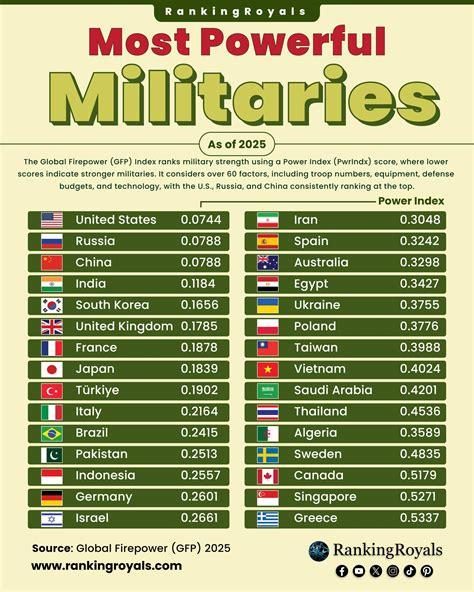
Nation-states blend diplomacy and military power to pursue strategic goals abroad. The U.S. faces one of its greatest military challenges from China. Tensions between the two nations center on issues like Taiwan and the South China Sea. China’s ‘nine-dash line’ aims to expand its maritime control, and the country is consistently working towards realizing this vision. To counter this, the U.S. has partnered with Australia, providing crucial nuclear submarine technology— a move that has upset France.
China and the U.S. dominate the global military scene, but Russia, despite its struggles in Ukraine, remains a powerful force. Dozens of other nations also boast impressive military capabilities, warranting serious consideration.
Italy
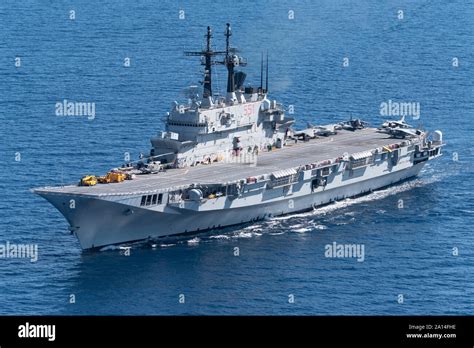
Italy, a NATO member strategically positioned in the Mediterranean, is a key player in European military affairs. As part of the Eurofighter consortium, Italy collaborates with Germany, Britain, and Spain to develop advanced combat aircraft. In 2024, Italy ranked 13th in global military spending, down from 12th in 2023.
With 338,000 active servicemembers, Italy has the 20th largest armed force. Its navy is one of the world’s largest, boasting two aircraft carriers and over 300 vessels. Italy’s air force also ranks highly, with 800 aircraft, placing it 12th globally. Unlike many other countries, Italy’s air combat assets are divided across its military branches, offering critical capabilities across different domains. Italy’s Air Force assets are comparable to South Korea’s, while its naval aviation tools surpass those of India. As a vital NATO member, Italy plays a central role in European defense.
Saudi Arabia
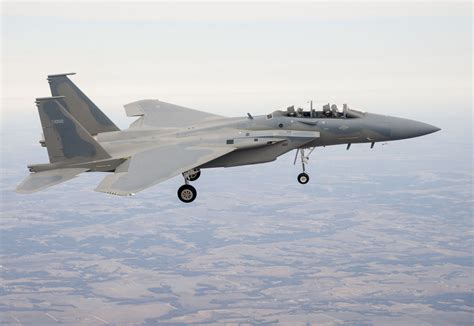
Saudi Arabia’s military strength stems largely from its strong ties with the United States. Historically, the Kingdom has maintained a neutral stance but has increasingly engaged in regional conflicts. Saudi Arabia’s reliance on U.S. military technology is a key factor in its defense capabilities.
The country has a long history of purchasing weapons and military systems, including advanced air assets. Since 2015, Saudi Arabia has led an extensive bombing campaign in Yemen and has been in an ongoing cold war with Iran. The presence of Israel in the region has also influenced Saudi military strategy, ensuring the Kingdom remains in a constant state of readiness.
In 2024, Saudi Arabia’s defense budget reached $80.3 billion, ranking it as the 7th highest spender globally. Despite not producing much military equipment locally, Saudi Arabia owns 914 aircraft, ranking 11th in the world. The country has limited naval forces but benefits from advanced U.S. air tools, enhancing its technological edge.
Germany
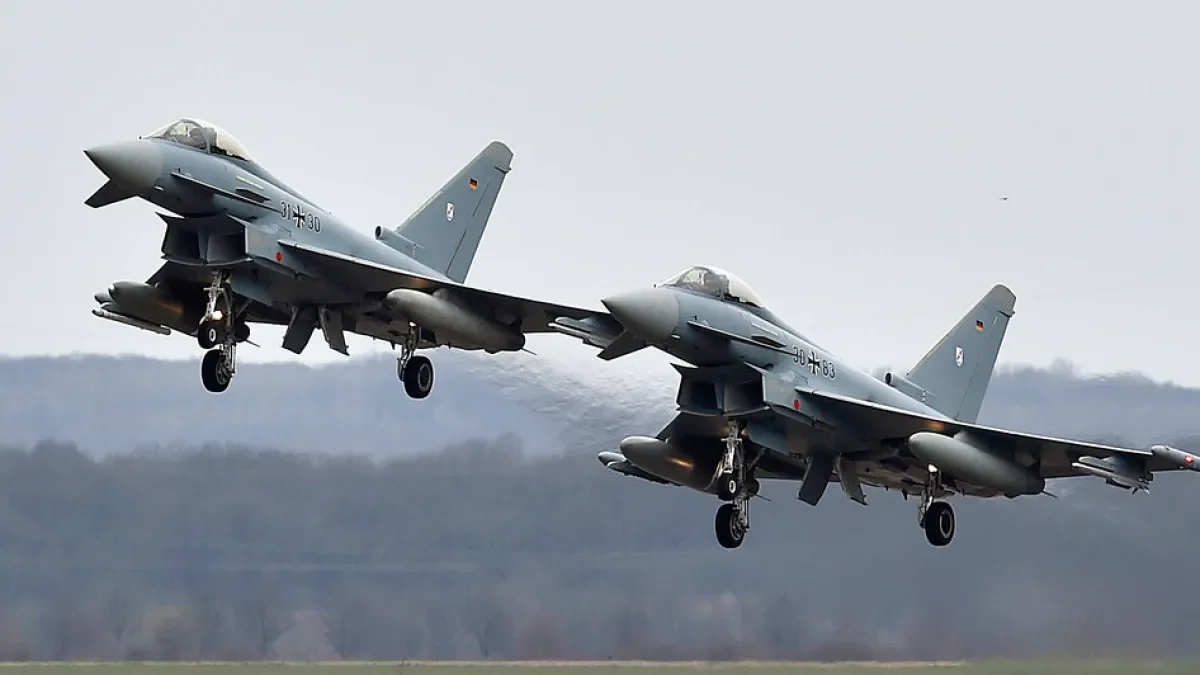
Germany’s military readiness has been a point of debate, particularly in the post-WWII era. Once divided, Germany’s military potential was limited until reunification in 1990. Since then, the country has been cautious about reestablishing military power due to its Nazi history.
However, following Russia’s invasion of Ukraine, Germany has shifted its approach. A new military strategy unveiled in 2025 aims to create Europe’s most formidable conventional army. This effort is backed by a significant increase in defense spending, targeting $178 billion by 2029.
In 2024, Germany spent $88.5 billion on defense, ranking 4th globally. With nearly 400 aircraft, 296 tanks, and a force of 183,000 active personnel, Germany is a formidable power. The country also hosts Europe’s largest number of foreign-based U.S. military personnel, bolstering its defensive position.
United Kingdom
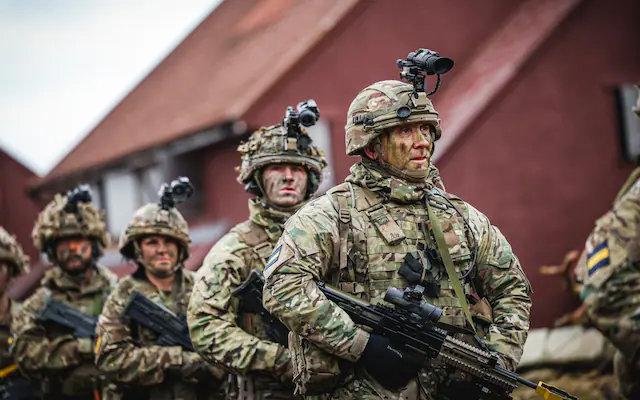
While Germany’s military is on the rise, the UK faces challenges in maintaining its military strength. The UK remains a key NATO ally and plays an important role in international cooperation, particularly through the Eurofighter program and the UKUSA Agreement (the “Five Eyes”).
British defense capabilities are heavily supported by air forces and nuclear technology. The UK operates two aircraft carriers and ranks 6th in global defense spending, with a 2024 budget of $81.1 billion. The country is known for its special forces and skilled operators in regions like the Middle East and Afghanistan.
Despite its strengths, the UK faces a decline in military size and capacity. Analysts, such as Matthew Savill from RUSI, suggest a shift toward technological advancements at the expense of military volume. While this makes the UK a powerful adversary, it may struggle to compete in conventional warfare with nations like China or Russia.
France
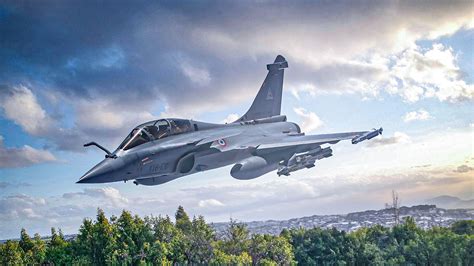
France’s military strength starts with a formidable defense, bolstered by its 290 nuclear warheads, ranking it fourth globally. The country is tied for eighth in military spending, with a budget of $64.7 billion in 2024, and has a total air fleet of 972, placing it 10th for air assets. However, France doesn’t make it into the top 20 in terms of naval fleet size.
The French armed forces consist of 304,000 troops (23rd in the world) with an additional 141,000 in reserve. According to RAND researchers, France excels as a coalition ally, particularly in artillery and ground warfare. Its substantial special forces capabilities and proven success as a joint operator make it an effective contributor to allied efforts.
Despite not having the longest-lasting military assets, France remains a powerful force. It is the fourth-largest financial contributor to NATO and has played a key role in supporting the Ukrainian military, contributing an estimated $3.5 billion by late 2023. France’s aircraft industry is a standout, with nimble fighter jets and the long-range Bréguet Br 1150 Atlantique, which can stay airborne for up to 18 hours and supports anti-submarine operations.
South Korea
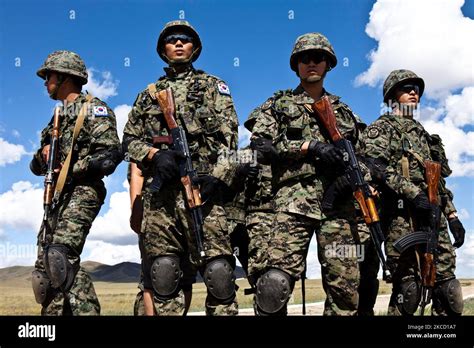
South Korea is the first country on this list with a pressing need for significant defense spending. In 2024, South Korea is the 11th highest global spender, with a budget of $47.6 billion. With substantial U.S. support, South Korea maintains a strong defensive posture against North Korea.
The two Koreas have faced off in a heavily armed standoff at the DMZ since 1953. North Korea boasts a formidable naval force with 505 vessels, ranking third globally, and 50 nuclear warheads. Its extensive missile capabilities, combined with a large military and a significant naval fleet, make North Korea a persistent threat.
To counter this, South Korea has mandatory military service for young adults. It also maintains the second-largest reserve force in the world, with 2.75 million members ready for active duty. The country works closely with the U.S. on defense projects and boasts the seventh-largest air force, with nearly 1,200 aircraft. South Korea’s navy, consisting of 200 vessels, including helicopter carriers, completes a formidable defensive force.
Russia
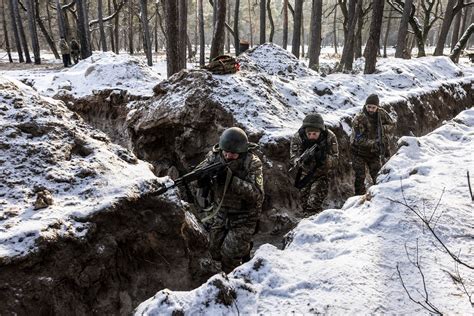
Russia’s ranking here may surprise some. Historically, Russia has been considered a military superpower, but recent events have exposed its military as a shell of its former self, still trying to maintain a strong image.
Russia has the largest naval fleet in the world, with 781 vessels, and is second in both air and tank assets. However, its air force is outdated, with many of its aircraft unable to compete with advanced fifth-generation fighters. While Russia has developed its own fifth-generation jet, the Sukhoi Su-57, only 44 are in service, limiting its capabilities.
The war in Ukraine is depleting Russian military resources at a rapid pace. As of June 2025, Russian casualties had surpassed one million, and equipment losses are mounting. Budget constraints have led to interruptions in soldier bonuses and death benefits, further weakening Russia’s military readiness.
India
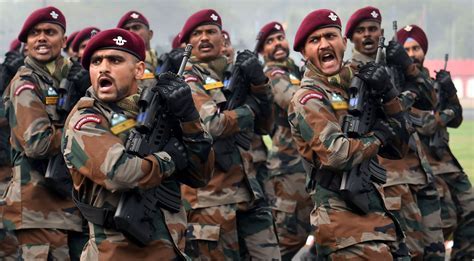
India, meanwhile, is witnessing a rise in military capabilities, especially in light of Russia’s decline. India has had ongoing tensions with Pakistan, with the two countries nearly matching nuclear firepower: India has 180 warheads, while Pakistan possesses 170. Despite historical tensions, India and Pakistan are unlikely to engage in full-scale ground warfare.
China, however, presents a far more direct threat. The two countries have clashed over the contested Himalayan region, and India, along with Pakistan, is a significant player in the missile threat landscape. India has a wide range of missile capabilities, including the Agni-III IRBM, which can target distant locations like Italy and Sweden.
India ranks as the fifth-largest military spender in 2024 and has the world’s largest active military force, with 3.068 million soldiers, plus 1.155 million in reserve. Interestingly, India also has the second-largest number of private firearms, with 71.1 million weapons in civilian hands, providing a unique deterrent. India’s air force, with 2,296 aircraft, is the fourth largest, and its navy, consisting of 294 vessels, ranks eighth globally. India also has the fifth-largest tank force, with 4,201 units.
China
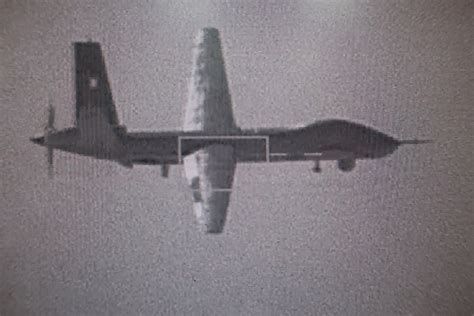
China’s military spending in 2024 is estimated at $314 billion, roughly a third of the U.S. budget but more than double that of Russia. China’s approach to warfare focuses on spatial dominance, with a massive budget directed toward developing advanced technologies. China’s fighting force, at 2.535 million soldiers, is the second-largest globally, and its research into new military technologies is a key focus.
China has developed its own fifth-generation fighter, the Chengdu J-20, with over 300 units already in service. The country also contributes significantly to U.N. peacekeeping, with 2,545 soldiers deployed globally. China boasts the second-largest naval fleet, including three aircraft carriers, and operates a vast number of fishing vessels to protect its maritime interests. With 564,000 fishing vessels, China has extensive coverage for routine naval movements.
China’s air force is the third-largest in the world, with 3,304 aircraft, and it maintains one of the most capable fleets in the Indo-Pacific region. The country’s unique use of ground control points and proprietary technology helps shield its critical infrastructure from enemy surveillance, adding another layer of defense.
United States
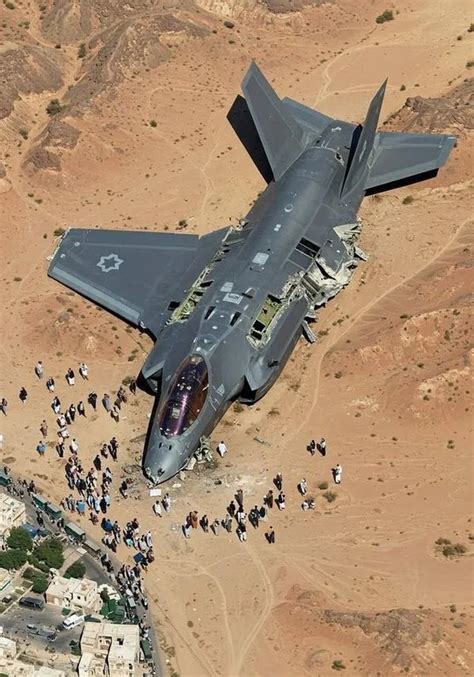
The United States has long been regarded as having the most advanced and powerful military in the world. Since the end of the Cold War, no other nation has created a multi-faceted military threat to rival that of the U.S. Today, the country operates over 750 military bases worldwide.
The U.S. also holds the distinction of having the largest defense budget globally, with an allocation of $997 billion in 2024. It is home to the second-largest nuclear arsenal. Additionally, American conventional forces are spread across a diverse array of capabilities. U.S. fighter jets are some of the most advanced in the world, and the nation has more than 10,000 more air assets than Russia, its closest competitor. These assets are distributed across the four main branches of the military, allowing for unmatched combat readiness.
When it comes to naval strength, the U.S. leads the world with the largest number of active aircraft carriers. From logistical efficiency to the sheer size and availability of its armed forces and equipment, the U.S. military stands as the global leader in military power.
Methodology and Research Notes
This ranking was based on total assets and financial commitments. Key metrics included nuclear arsenals, technology, and the size of each military branch, including the army, navy, and air force.
Data was gathered from a variety of sources. Missile threat details came from CSIS and ArmsControl.org. Nuclear warhead data was sourced from Statista. Information on tank reserves, naval, and air force capabilities was gathered from World Population Review. Troop estimates came from the World Bank, and reserve force numbers were provided by ArmedForces.eu. Spending figures were sourced from SIPRI, along with other detailed analyses from various expert sources.