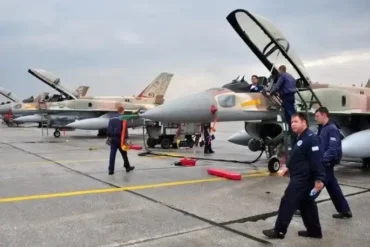
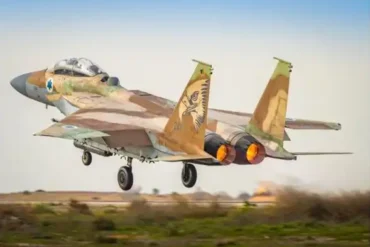
The Israeli Air Force (IAF) has long been regarded as one of the most formidable air forces globally, known for its advanced technology, combat experience, and unparalleled ability to operate in some of the world’s most challenging military environments. This article delves into the Israeli Air Force ranking in the world, analyzing various factors that contribute to its standing on the global stage, its strategic advantages in the Middle East, and the challenges it faces.
Global Ranking of the Israeli Air Force
The global ranking of the Israeli Air Force can vary depending on the criteria used for evaluation. Different organizations, think tanks, and media outlets have assessed the IAF’s capabilities based on fleet size, technological sophistication, and operational effectiveness. Below is a breakdown of the Israeli Air Force’s standing according to multiple sources:
WDMMA 2024-2025 Global Ranking
According to the World Directory of Modern Military Aircraft (WDMMA) for 2024-2025, the Israeli Air Force is ranked 9th globally. This ranking considers various factors, including fleet size, modernization levels, logistical support, and overall combat capability. Countries like the United States, Russia, China, and India occupy the top spots, with the U.S. Air Force consistently holding the #1 position. Despite Israel’s relatively small fleet, it stands out for its highly specialized and advanced aircraft, as well as its operational efficiency.
Far Eastern Think Tank Ranking (2021-2022)
A ranking compiled by the Far Eastern Think Tank, a Chinese research institute, placed Israel’s air force in the 8th position globally. The think tank cited Israel’s advanced technology, combat experience, and autonomous development capabilities as key reasons for this ranking. Israel’s indigenous defense innovations, such as the F-35I Adir fighter and advanced early-warning systems, bolster its military reputation.
Middle Eastern Perspectives
Some analysts within the Middle East have an even higher estimation of the Israeli Air Force, ranking it as high as 4th in the world, just behind the United States, Russia, and China. This ranking is largely attributed to Israel’s unique air superiority in the region. The IAF’s fifth-generation aircraft, early-warning aircraft, and electronic warfare capabilities are unparalleled in the Middle East, contributing to its superior operational effectiveness.
Summary of Global Rankings
| Rank | Country | Fleet Size | Strengths |
|---|---|---|---|
| 1 | United States | 13,000+ | Largest fleet, technological superiority, global reach |
| 2 | Russia | 4,000+ | Advanced aircraft, nuclear capabilities |
| 3 | China | 3,000+ | Rapid expansion of fifth-gen aircraft and bombers |
| 4 | Israel | 750 | Advanced technology, elite combat experience |
| 5 | India | 1,500+ | Growing modernization, large fleet size |
The Israeli Air Force holds a strong and competitive position in the global rankings, and its operational excellence ensures its place among the world’s most respected air forces.
Israeli Air Force’s Unmatched Superiority in the Middle East
In the context of the Middle East, the Israeli Air Force enjoys an undisputed air superiority, which has been a key factor in Israel’s military strategy since its establishment. The IAF’s prowess is demonstrated in numerous conflicts, and it continues to be the dominant force in the region.
State-of-the-Art Equipment
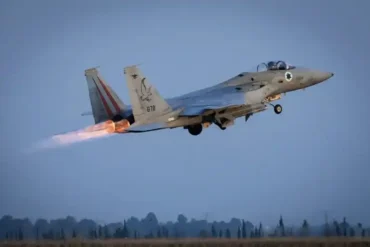
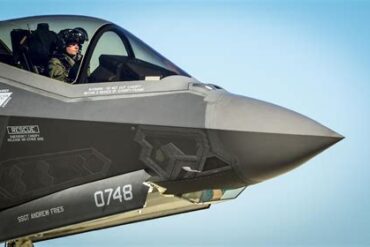
The Israeli Air Force operates a wide array of modern and technologically advanced aircraft, including the F-35I Adir, F-15, and F-16 fighters, as well as early-warning aircraft like the E-2C and G550. Among its notable assets is the F-35I, the first nation to integrate the F-35 into active combat. Israel’s unique customization of this aircraft significantly enhances its electronic warfare and long-range strike capabilities.
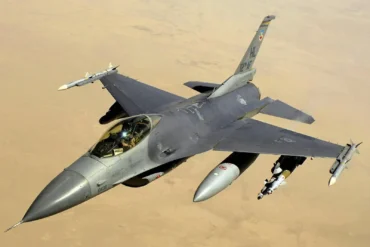
With a fleet of about 50 F-35I stealth fighters, Israel has become one of the few nations globally to deploy fifth-generation fighters, providing it with a qualitative edge over regional adversaries. The IAF also operates 85 F-15 fighter jets and 175 F-16s, all of which are highly upgraded and tailored to Israel’s specific defense needs.
Additionally, Israel has developed an advanced electronic warfare system and radar technologies that provide it with an unmatched surveillance capability. These assets, paired with Israel’s indigenous airborne early warning systems, make the Israeli Air Force one of the most formidable in terms of technological integration and battlefield effectiveness.
Operational Excellence and Combat Experience
Israel’s air force is perhaps most renowned for its real-world combat experience, having been tested in some of the most intense military operations in history. The Six-Day War of 1967 is one of the key milestones where the IAF destroyed the Egyptian Air Force, Jordanian Air Force, and Syrian Air Force, securing Israel’s air superiority in the region. The 1982 Lebanon War, particularly the Bekaa Valley campaign, further highlighted the IAF’s unmatched prowess, as Israeli jets obliterated Syrian air defenses with a remarkable 82:0 kill ratio.
The IAF’s ability to adapt quickly and employ cutting-edge technology in active combat scenarios has made it a highly effective force in securing Israel’s borders and executing strategic missions in hostile environments.
A Systematic Approach to Warfare
The Israeli Air Force is characterized by its highly integrated and systematic approach to warfare. Israel combines its fighter jets with early-warning aircraft, airborne surveillance, and aerial refueling capabilities to create a highly effective operational framework. This network allows for long-range, precise strikes while maintaining constant vigilance over enemy movements.
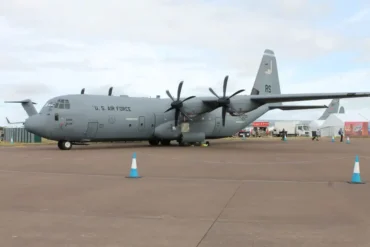
For instance, Israel employs RC-12D reconnaissance aircraft and KC-46/KC-130 tankers, which work in tandem with fighter jets to support extended air operations. This integrated model allows the IAF to maintain a significant advantage over regional adversaries, providing the country with the ability to project power far beyond its borders.
Challenges and Limitations of the Israeli Air Force
While the Israeli Air Force is a formidable force, it does face several challenges and limitations that impact its global ranking and operational capacity.
Fleet Size Limitation
With a total fleet of approximately 750 aircraft, the Israeli Air Force is considerably smaller than other major air forces, such as those of the United States, Russia, and China. These countries possess fleets exceeding 1,000 aircraft, and this disparity in numbers places Israel at a disadvantage in terms of sheer fleet size.
However, Israel’s quality over quantity approach means that its smaller fleet is often far more technologically advanced and combat-ready than those of larger nations. This allows Israel to maintain a strategic advantage despite having fewer aircraft.
Dependence on American Technology
While Israel has developed significant indigenous capabilities, including the Phalcon AWACS and other domestic defense systems, it remains heavily reliant on U.S. military technology. Key aircraft like the F-35I, F-15, and F-16 are all U.S.-designed, and Israel’s reliance on American-made military hardware introduces a degree of political risk. In the event of deteriorating U.S.-Israel relations, Israel’s access to essential military assets could be affected.
Moreover, while Israel is advancing in autonomous defense technology, certain vital systems and aircraft could be vulnerable to political constraints during times of conflict.
Geopolitical Limitations
Despite its dominance in the Middle East, the Israeli Air Force faces significant challenges when compared to air forces in other regions, such as East Asia. Nations like Japan and South Korea possess larger fleets and are quickly modernizing their forces with advanced aircraft like the F-35. China, in particular, has invested heavily in fifth-generation aircraft, which poses a growing challenge to Israel’s regional superiority.
If the Israeli Air Force were to operate in the broader context of East Asia, it might face greater competition from these rising powers, especially given their growing fleets of next-generation stealth fighters and advanced long-range bombers.
The Future of the Israeli Air Force
Looking ahead, the Israeli Air Force is poised to further strengthen its position through collaboration with the United States and ongoing advancements in sixth-generation aircraft development. Israeli engineers are already working alongside American counterparts to develop future technologies that will enable the IAF to maintain its technological edge.
The Role of Innovation and Partnerships
The future of the Israeli Air Force will largely depend on continued innovation and partnerships. Israel’s ongoing work on indigenous drone technologies, cyber warfare capabilities, and next-gen fighter aircraft will ensure that it remains at the cutting edge of military aviation.
Expansion of the Fleet
While the Israeli Air Force will likely maintain a smaller fleet relative to other global powers, technological advancements and the development of autonomous and AI-driven systems will enhance the operational effectiveness of each aircraft. The introduction of more advanced unmanned aerial vehicles (UAVs) and autonomous systems will allow Israel to extend its operational capabilities beyond traditional aircraft.
Conclusion
The Israeli Air Force is ranked among the top air forces globally, with an undisputed leadership role in the Middle East. Its combination of advanced technology, combat experience, and systematic operational strategies makes it one of the most formidable military forces in the world. Despite challenges related to fleet size, dependence on foreign technology, and geopolitical limitations, the IAF’s technological superiority and combat readiness place it firmly in the global top ten. As Israel continues to innovate and adapt to emerging threats, its position in the world rankings will likely remain strong for years to come.