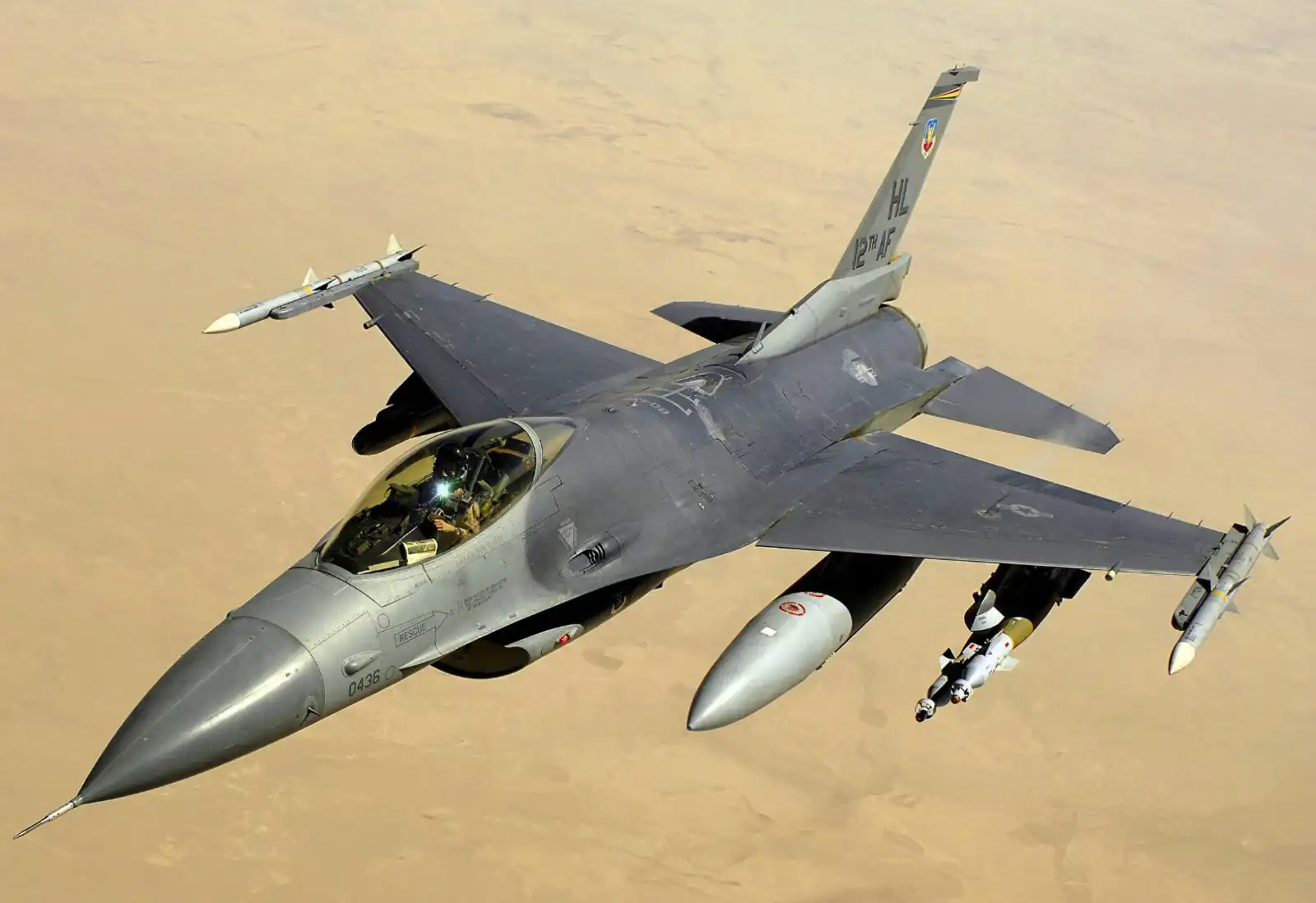
The G-force limit of the F-16 Fighting Falcon is a critical design parameter that ensures both maneuverability and flight safety. As one of the most agile fighter jets in the world, the F-16’s ability to withstand high G-forces directly influences its combat effectiveness, particularly in dogfights and high-speed aerial engagements. This article explores the G-force limitations of the F-16, the impact of external stores, the role of fly-by-wire (FBW) flight control systems, and a comparison with other fighter aircraft.
F-16 G-Force Limit Overview
The F-16 Fighting Falcon was the first production fighter jet capable of sustaining 9G (88 m/s²) maneuvers during air combat. This 9G limit provides the aircraft with superior turning capabilities and enables pilots to execute high-energy combat maneuvers essential in beyond-visual-range (BVR) engagements and close-range dogfights.

Impact of External Fuel Tanks on G-Force Limit
The G-force capability of the F-16 varies based on its loadout. Specifically, external fuel tanks impose restrictions on its maximum G-load:
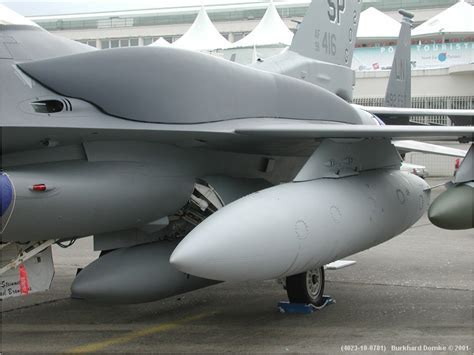
- With Centerline Fuel Tank Attached: The maximum G-force is limited to 7G, as carrying external fuel tanks adds stress to the airframe and mounting points. The structural integrity of the tank itself must also be considered, preventing excessive forces from damaging the tank or its connections.
- After Jettisoning the Tank: Once the external fuel tank is discarded, the F-16 can resume its full 9G maneuvering capability, allowing for maximum agility in combat situations.
Flight Control System and G-Force Management
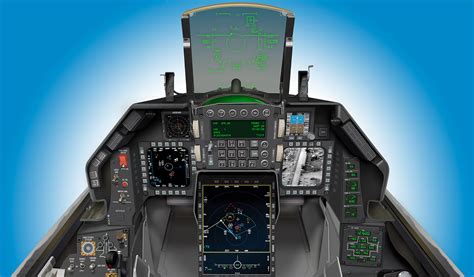
One of the defining features of the F-16 is its electronic flight control system. The aircraft utilizes a fully digital fly-by-wire (FBW) system, which enhances both safety and maneuverability by automatically limiting pilot inputs to prevent excessive structural stress.
Angle of Attack (AoA) Limitations
- The flight control system restricts the angle of attack (AoA) to 26° under normal conditions to maintain controlled flight.
- In specific scenarios, such as at low speeds, the system temporarily allows a maximum of 29° AoA, providing enhanced maneuverability when required.
Instantaneous Overload Capacity
- In emergency situations, the F-16 can endure a momentary overload of 10.3G, but this requires pilot intervention and is strictly limited by the flight control system to prevent damage to the airframe.
- The fly-by-wire system dynamically adjusts the aircraft’s pitch and roll commands to prevent overstress, ensuring the pilot remains within the structural limits of the jet.
G-Force Limits Across Different F-16 Variants
While different F-16 variants have received avionics and structural upgrades, the fundamental G-force limit remains unchanged at 9G. Below is an overview of some key F-16 models:
- F-16 Block 30/40/50/52: These models retain the standard 9G limit, with improvements in avionics, radar systems, and weapon integration.
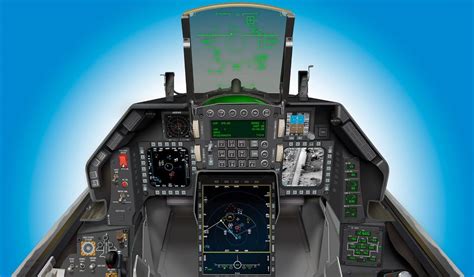
- F-16 Block 70/72 (F-16V): As the most advanced variant, the F-16V features enhanced mission computers, APG-83 AESA radar, and modernized cockpit displays. However, the structural design remains optimized for a 9G maneuverability envelope.
Comparison with Other Fighter Aircraft
To understand the significance of the F-16’s G-force capabilities, we compare it with its counterparts:
F-16 vs. MiG-29
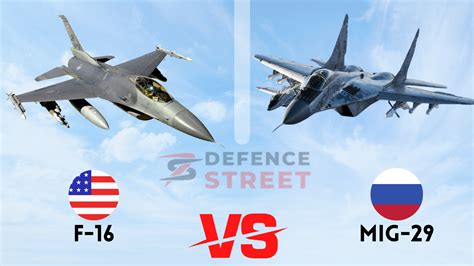
- The MiG-29 Fulcrum, a Soviet-designed fighter, has a maximum G-limit of 7G in air combat configuration.
- With external fuel tanks attached, the MiG-29’s G-force limit is further reduced to 4G, significantly hindering its turn performance compared to the F-16.
- The MiG-29 relies on a mechanical flight control system, which is less responsive than the F-16’s fly-by-wire system, making high-G maneuvers more physically demanding for pilots.
F-16 vs. F/A-18 Hornet
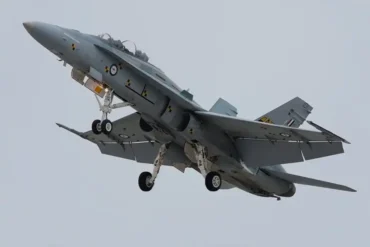
- The F/A-18 Hornet has a 7.5G limit, which is lower than the F-16’s 9G envelope.
- The Hornet compensates with a superior high-AoA performance, but in a rate fight or prolonged turning engagements, the F-16 maintains an edge due to its higher sustained G-force rating.
Conclusion
The F-16 Fighting Falcon remains one of the most maneuverable 4th-generation fighter jets, largely due to its 9G sustained maneuvering capability. While external stores, particularly fuel tanks, temporarily reduce its G-limit, the aircraft’s fly-by-wire system, advanced avionics, and structural integrity ensure that it can operate effectively under extreme aerodynamic conditions.
Modern upgrades, such as the F-16V Block 70/72, continue to enhance the aircraft’s situational awareness and electronic warfare capabilities, solidifying its relevance in modern air combat. However, the core G-force limitation remains constant, emphasizing the importance of pilot training and tactical awareness in high-G engagements.
Frequently Asked Questions
1. Why is the F-16 limited to 9G while other aircraft have lower limits?
The F-16’s airframe and digital flight control system were specifically designed for high-G maneuvering, unlike many other jets that prioritize factors like carrier operations (F/A-18) or long-range interception (MiG-31).
2. Can the F-16 exceed 9G in extreme situations?
Yes, but only momentarily. The aircraft can withstand up to 10.3G for short durations, but this can cause excessive structural stress and is not recommended for routine flight maneuvers.
3. How does the F-16 compare to modern 5th-generation fighters in terms of G-force?
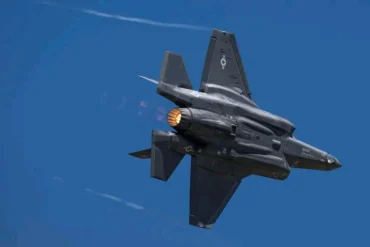
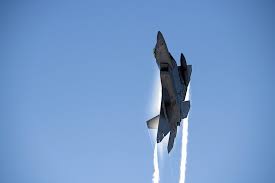
While 5th-generation fighters like the F-22 Raptor and F-35 Lightning II have advanced stealth and sensor capabilities, their G-force limits remain similar, with the F-22 rated at 9G and the F-35 at 7G due to its heavier airframe.