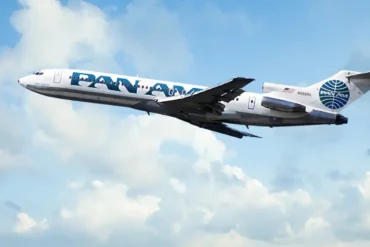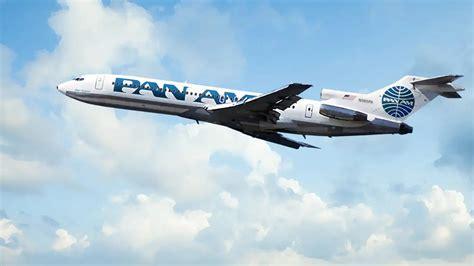
Pan American World Airways, known the world over as Pan Am, remains one of the most evocative names in aviation history. While it has been over three decades since its collapse, the airline’s distinct blue globe logo and sophisticated legacy have not been forgotten. In 2025, whispers of a potential Pan Am comeback are getting louder, fueled by strategic investments, nostalgic brand capital, and new commercial aviation trends. But will sentimentality and strategic funding be enough to resurrect an airline icon in today’s turbulent market?
Pan Am: A Legacy Too Powerful to Bury
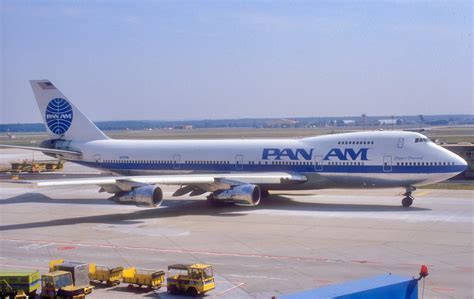
Founded in 1927, Pan Am quickly carved out a powerful niche in international aviation. While it initially served the Caribbean and Latin America using its famed “flying boats,” the airline eventually grew into a transcontinental powerhouse post-World War II. As the first airline to fly the Boeing 707 and a trailblazer in the jet age, Pan Am defined luxury air travel during the golden era of aviation.
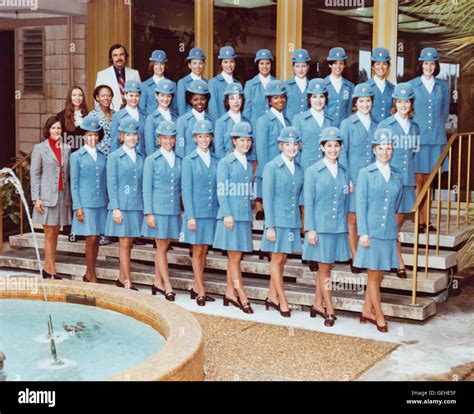
The brand wasn’t just a carrier—it was a cultural symbol. Its blue-uniformed flight attendants, prestigious training programs, and high-end lounges became icons of mid-century glamour. Yet, deregulation in the late 1970s, intensified competition, and the 1988 Lockerbie disaster—where Pan Am Flight 103 was bombed over Scotland—marked the beginning of the end. By 1991, the airline filed for bankruptcy and ceased operations, seemingly closing the final chapter of its skyward saga.
Pan American Global Holdings: Reviving a Legend
Fast forward to 2025. Pan American Global Holdings, which owns the Pan Am name and intellectual property, has announced ambitious plans to relaunch the airline. Backed by AVi8 Air Capital, an investment firm focusing on aviation and advanced air mobility, Pan Am’s new incarnation aims to obtain FAA certification and re-enter the American market.
This move follows a symbolic gesture in July 2025, when the company hosted a commemorative flight from JFK International Airport aboard a Boeing 757 decked in the classic Pan Am livery. With tickets priced at an astonishing $59,950 per person, the flight targeted the elite few craving nostalgia wrapped in luxury.
The holding company’s ambitions extend beyond the tarmac. Plans are underway to launch Pan Am-branded hotels in Los Angeles and select European cities. Additionally, Timex has released a new line of Pan Am watches, further cementing the brand’s reentry into cultural relevance.
Strategic Choices: From Boeing to Airbus
Interestingly, the new Pan Am will differ significantly from its historic predecessor in fleet strategy. Instead of Boeing, which the original airline famously supported by operating the world’s first Boeing 707 flights, the modern relaunch intends to use Airbus aircraft. Specific models remain unconfirmed, and it’s unclear whether the airline will opt for narrowbody jets like the A320 series or widebodies such as the A330 or A350.
This shift could indicate Pan Am’s awareness of modern aviation economics. Airbus jets are praised for their fuel efficiency, cabin comfort, and availability. But this move also marks a deliberate break from tradition, suggesting a pragmatic rather than purely nostalgic business model.
The Challenges Ahead: Turbulence in the Skies
While enthusiasm surrounds Pan Am’s return, the commercial aviation landscape of 2025 is unforgiving. A 2023 TNMT report highlighted a “never-before-seen decline” in new airline entries, with market volatility, geopolitical tensions, fluctuating fuel prices, and persistent labor shortages painting a daunting backdrop.
Furthermore, legacy carriers have entrenched themselves through alliances, loyalty programs, and complex hub networks. Slot restrictions at major airports like JFK, LAX, and Heathrow complicate any newcomer’s ambitions. Even with the brand power of Pan Am, carving out space among the likes of Delta, United, and American Airlines will be no small feat.
Past attempts to resurrect Pan Am have failed to take off. Various post-bankruptcy ventures—like Pan Am Clipper Connection in the early 2000s—lacked both the scale and capital to make a meaningful impact. The question remains: What makes this attempt different?
Revival Playbook: Branding, Experience, and Niche Markets
One potential differentiator is branding prowess. Pan Am’s name still resonates across generations. With Gen X and Boomers fondly remembering its heyday and younger audiences captivated by retro appeal, Pan Am could effectively position itself as a premium nostalgia-infused carrier.
- Brand Heritage: Few names in aviation possess the global recognition and emotional capital of Pan Am. That alone gives the new airline a strong starting point.
- Luxury Revival: By tapping into the luxury market—as seen with the $59K commemorative flight—Pan Am could position itself as a boutique experience-driven airline for high-end travelers.
- Hospitality Integration: The hotel expansions suggest a holistic brand revival that spans travel, lodging, and lifestyle—akin to what Virgin Group has achieved.

Miami as the Launchpad: Strategic and Symbolic
Choosing Miami as Pan Am’s headquarters carries both strategic weight and historical resonance. Florida served as an early hub during Pan Am’s Caribbean expansion in the 1930s. Today, Miami offers an ideal launchpad into Latin America, a region underserved by ultra-premium carriers and familiar with the Pan Am name.
Miami also serves as a critical node in U.S.-European travel and a hub for affluent leisure and business travelers. Its proximity to growing secondary markets like Central America and northern South America enhances route flexibility and growth potential.
Airline Differentiation in the Post-COVID Era
Post-pandemic air travel has shifted dramatically. Today’s passengers demand personal space, contactless services, elevated hygiene protocols, and experiential upgrades. Airlines are no longer judged merely by punctuality and price—they must offer meaningful experiences.
Pan Am could leverage this expectation by:
- Offering retro-themed luxury cabins
- Partnering with exclusive hospitality brands
- Launching curated destination experiences tied to its hotels and flights
- Reintroducing the Pan Am Lounge experience as an elite membership club
Sustainability and ESG: A Must-Have for Success
Another critical angle is environmental responsibility. Any new airline must comply with increasing regulatory scrutiny and growing consumer demand for sustainable aviation fuel (SAF), carbon offset programs, and green operations.
AVi8 Air Capital’s involvement suggests alignment with next-gen aviation trends, potentially including electric aircraft, hybrid propulsion, or carbon-neutral partnerships. Integrating these into the Pan Am relaunch could not only attract climate-conscious travelers but also offer a compelling PR narrative.
Risks: High Brand Equity, Higher Expectations
With enormous brand recognition comes the burden of sky-high expectations. If the experience, operations, or service levels fall short, the backlash could be swift and damaging. Pan Am will be scrutinized not just as a newcomer, but as a resurrected legend.
Additionally, airline economics remain ruthless. Margins are thin, and scalability requires navigating fluctuating oil prices, labor contracts, airport fees, and technology investments. Nostalgia alone will not keep the engines running.

Final Approach: Will the Globe Fly Again?
Pan Am’s potential rebirth is more than a business story—it’s an emotional saga. It evokes the pioneering spirit of early flight, the sophistication of transatlantic travel, and the lost glamour of air journeys past. With credible investors, a robust branding strategy, and strategic market focus, Pan Am might just have a chance to reclaim a portion of the skies it once dominated.
However, the airline industry has no patience for romanticism. Only with operational excellence, financial discipline, and customer-centric innovation can Pan Am rise from the ashes of its legacy into a new age of aviation.
The sky may yet be blue again for Pan Am—but it will need more than nostalgia to reach cruising altitude.