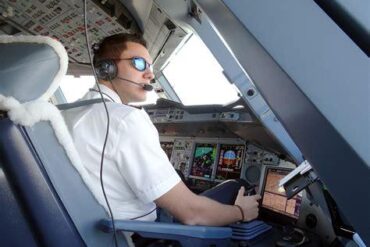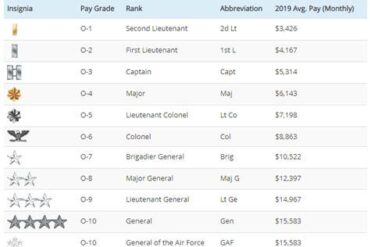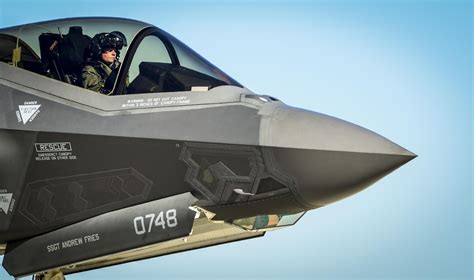
Do the highest-ranking US Air Force pilots really earn less than commercial airline captains? Yes, in direct cash compensation, the statement is broadly true in 2026. At the very top of the military hierarchy, even exceptionally senior Air Force officers who have spent decades building elite aviation careers generally earn less in annual salary than the most highly compensated captains flying for major US airlines.
That conclusion can sound surprising. Fighter pilots represent one of the most selective groups of aviators in the world, and reaching senior command positions requires years of demanding training, operational experience, leadership, and military service. Yet the US military compensation system is structured very differently from the commercial airline industry. Rank and years of service determine military basic pay, while airline compensation is heavily influenced by seniority, aircraft type, contract rates, and the amount and type of flying performed.
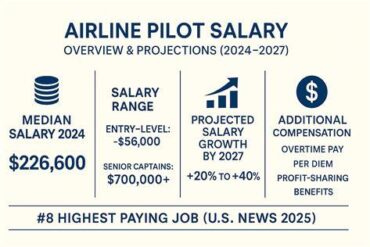
The difference becomes particularly striking when we look at the upper end of both professions. A senior commercial captain flying a widebody aircraft for a major carrier can move into the $400,000-plus annual salary range, while the 2026 military basic-pay ceiling for the highest officer grades is approximately $19,000 per month, or about $228,000 annually before additional allowances and incentives. The military package is considerably broader than basic pay, but the headline salary comparison still favors commercial aviation.
How Much Can the Highest-Paid Commercial Pilots Earn?
The most lucrative commercial pilot positions in the United States are generally occupied by highly senior captains at major passenger and cargo airlines. These pilots are not representative of the average airline pilot. They have typically accumulated many years of seniority and may hold positions on large international aircraft such as the Airbus A350, Boeing 777, Boeing 787, or Airbus A330.
Commercial airline compensation is also unusual because it is not simply a conventional annual salary. Pilot contracts commonly establish hourly pay rates, minimum monthly credit guarantees, per diem payments, premium pay, and additional compensation for particular assignments. Seniority then determines which aircraft, bases, schedules, and routes a pilot can bid for.
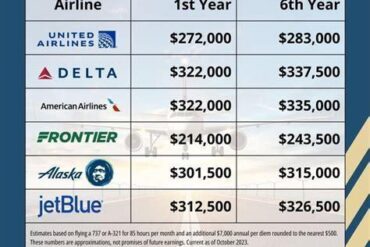
That structure can produce remarkable earnings at the top of the seniority list. 2026 estimates indicate that a senior Delta Air Lines A350 captain can earn more than $380,000 in annual compensation, with certain estimates reaching approximately $418,500 after years of captain service. Across the largest US airlines, senior widebody captains can potentially move into the $450,000-plus range, depending on the contract, aircraft, schedule, and individual circumstances.
Retirement benefits can widen the overall package even further. Major airlines have increasingly strengthened pilot retirement contributions, with Delta, American Airlines, and United Airlines cited at approximately 18% defined-contribution retirement levels under their respective arrangements. Alaska and Hawaiian have also offered substantial employer retirement contributions.
Consequently, a senior airline captain earning somewhere in the low-to-mid $400,000s in direct compensation can potentially receive an overall employer-funded package approaching or exceeding half a million dollars in a particularly favorable year. That is the benchmark against which the highest-ranking military pilots are often compared.
Why Air Force Pilot Pay Works Differently
The US Air Force does not have a special salary ladder that simply pays a fighter pilot more because the aircraft is expensive, sophisticated, or dangerous to operate. Instead, compensation is primarily determined by officer rank, years of service, basic pay, allowances, and aviation-related incentives.
This distinction matters enormously.
A fighter pilot who becomes a lieutenant colonel does not suddenly receive the equivalent of an airline widebody captain’s salary. Nor does a general officer receive a separate compensation package based directly on the number of hours spent flying fighters. Military compensation is built around the broader responsibilities of military service rather than a commercial production model.
At the highest officer grades in 2026, basic military pay is capped at roughly $19,000 per month. That translates to approximately $228,000 annually in basic pay. The ceiling applies to the highest-ranking officers, including four-star generals and extremely senior leaders such as the Chief of Staff of the Air Force.
That figure immediately explains why the claim has gained attention. A four-star Air Force general can hold one of the most prestigious aviation-related leadership positions in the United States military while receiving less basic salary than a senior commercial captain who flies an international widebody aircraft.
However, basic pay is only one part of military compensation.
Air Force Aviation Incentive Pay and Bonuses
Military pilots can receive additional compensation designed to encourage aviation service and retain experienced aviators. Aviation incentive pay provides an important supplement to basic pay, although it does not normally close the entire gap with the highest commercial salaries.
The amount can vary according to aviation service and other eligibility factors. At certain points in an aviator’s career, monthly aviation incentive pay can reach approximately $1,000 per month, while later stages can involve lower amounts. For example, figures referenced for longer periods of aviation service include roughly $700 per month after 22 years and $450 after 24 years.
There are also aviation bonuses intended to retain pilots in specific communities. In 2026, some Air Force aviation bonus programs can provide as much as $50,000 per year for eligible pilots. The critical qualification is that these bonuses are not simply an unlimited payment available to every senior fighter pilot. Eligibility depends on career field, rank, service requirements, and the specific retention program.
In particular, some of the largest aviation bonuses apply to lieutenant colonels and below, meaning a pilot who continues climbing into the highest general-officer ranks may no longer qualify for exactly the same aviation retention incentives available earlier in the career.
Housing Allowances Change the Calculation
Another reason a simple salary comparison can be misleading is that military personnel may receive substantial allowances in addition to basic pay. One of the most important is the Basic Allowance for Housing, commonly known as BAH.
Unlike ordinary salary, housing allowance can vary according to location, rank, and dependency status. In expensive metropolitan areas, the value can be significant. Because qualifying housing allowances can also receive favorable tax treatment, their practical value can be greater than an equivalent amount of taxable salary.
Military personnel can also receive other allowances and benefits depending on their assignment and circumstances. Healthcare, government-funded training, relocation assistance, and other elements of military service contribute to the total compensation package.
This does not erase the salary gap. Instead, it makes the comparison more sophisticated. A commercial pilot earning $450,000 and an Air Force general receiving roughly $228,000 in basic pay are not necessarily receiving benefits worth exactly the same amount beyond those headline figures.
The more accurate question is therefore not simply who has the bigger paycheck, but what each person receives over an entire career.
Becoming a Senior Commercial Airline Captain
The route to the top of commercial aviation is long, but it operates according to a fundamentally different logic from the military pilot career path.
A civilian pilot generally progresses through private, instrument, commercial, and multi-engine qualifications before accumulating substantial flight experience. Many build hours as flight instructors or through other entry-level flying positions. The traditional FAA pathway to airline employment generally centers on the 1,500-hour Airline Transport Pilot requirement, although restricted-ATP pathways can allow qualifying pilots to enter airline operations with fewer hours.
A new airline pilot typically begins as a first officer. After accumulating experience and waiting for an available upgrade opportunity, that pilot can become a captain. Moving from a regional airline to a major carrier may then provide another major career step.
The crucial factor is seniority.
At major airlines, seniority can influence virtually every desirable aspect of a pilot’s working life. It affects aircraft assignments, bases, schedules, vacation opportunities, routes, and captain upgrades. A pilot with decades of seniority can potentially hold a position on an international widebody fleet that would have been unattainable earlier in the career.
This means that the highest commercial pilot salaries are generally the result of a long accumulation of experience and seniority rather than an immediate reward for becoming a captain.
The Long Road to Becoming an Elite Air Force Fighter Pilot
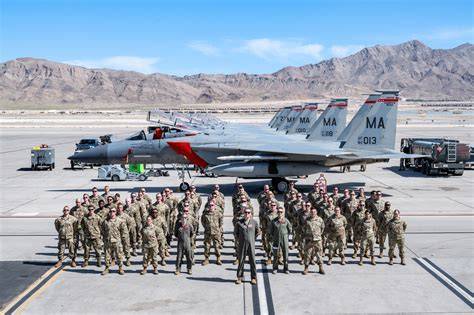
The military pathway is difficult for an entirely different reason. Before an aspiring fighter pilot ever takes command of a sophisticated combat aircraft, the individual must first become an Air Force officer.
Commissioning can occur through the US Air Force Academy, Air Force ROTC, or Officer Training School. Successful candidates then proceed toward Undergraduate Pilot Training, where performance, instructor evaluations, class standing, personal preferences, and Air Force requirements influence aircraft assignments.
Being selected for fighters is itself a major achievement.
Candidates entering the fighter pipeline undergo specialized training before eventually reaching an operational squadron. There, the pilot begins developing from wingman toward increasingly advanced responsibilities such as flight lead, instructor pilot, evaluator, or tactical expert.
For particularly accomplished aviators, attendance at the US Air Force Weapons School can provide advanced instruction in tactics and aircraft employment. Yet becoming a highly respected fighter pilot does not necessarily mean becoming one of the highest-paid military officers.
That is one of the central paradoxes of this comparison. The most prestigious flying qualifications and the highest military ranks do not automatically correspond to the highest aviation-specific income.
Commercial Pilots Gain More Control With Seniority
Money is not the only major difference between the two careers. Lifestyle can also change dramatically over time.
Commercial airline pilots often deal with irregular schedules, overnight stays, commuting, time-zone changes, weekends away from home, and holiday assignments. Junior pilots can have relatively limited control over when and where they work.
Seniority gradually changes that equation. More experienced pilots can often obtain better schedules, reduce reserve assignments, choose more desirable bases, and gain greater influence over their routes and days off. FAA duty and rest regulations also establish formal limits designed to manage fatigue.
Military fighter pilots face a different collection of demands. Their careers can involve deployments, frequent relocations, intensive training schedules, readiness requirements, administrative responsibilities, and significant physical and operational pressures.
Even senior officers may spend less time actually flying than outsiders expect because leadership positions increasingly involve command, planning, administration, personnel management, and operational responsibility.
The commercial pilot therefore tends to gain greater personal control with seniority, while the senior military aviator may gain greater organizational responsibility.
Why Military Pilots Still Choose the Air Force
If commercial aviation can offer substantially higher compensation at the top, why would an exceptional pilot choose military aviation?
The answer is that compensation is only one reason people enter aviation.
Air Force pilots receive the opportunity to operate advanced military aircraft, participate in demanding missions, lead highly trained teams, and serve within an organization built around national defense. The experience can provide professional challenges that are fundamentally different from those encountered in airline flying.
There is also a valuable long-term benefit: military retirement.
A qualifying career military officer can receive a defined-benefit retirement structure that differs fundamentally from the retirement arrangements available to most civilians. Government-funded healthcare and other veteran benefits can also have meaningful lifetime value.
For someone who completes a long military career, those benefits can represent a substantial portion of the overall economic value of service. The comparison therefore becomes less about one year’s salary and more about the total financial and professional trajectory.
Why Fighter Pilots Often Become Airline Captains
The compensation difference helps explain why commercial aviation can become an attractive second career for military pilots.
Military aviators leave service with experience that can be highly relevant to airline operations. They have extensive cockpit training, instrument experience, crew coordination skills, emergency-management experience, and exposure to complex aviation systems.
The transition is not automatic. Military pilots still have to meet applicable FAA requirements, obtain the necessary certificates and qualifications, and complete airline-specific training. They also enter the airline seniority system at a position determined by the carrier’s hiring and contract structures.
Nevertheless, the potential financial upside can be considerable.
A former fighter pilot who transitions successfully to a major airline may eventually enter an industry where senior captain compensation can exceed the salary ceiling associated with the highest military officer grades. For some aviators, that creates a compelling financial incentive after completing military service.
Is It Really True That Top Air Force Pilots Earn Less?
The answer is yes, if we are talking primarily about direct annual cash compensation.
The highest-ranking Air Force officers can receive basic pay of around $228,000 annually in 2026 before applicable allowances and other compensation. Eligible aviators can receive additional aviation pay and, depending on rank and career field, retention bonuses.
At the same time, senior captains at major US airlines can potentially earn $400,000 or more, particularly on widebody fleets, with the highest-paid pilots potentially reaching well beyond that level when additional compensation and retirement contributions are included.
But saying that Air Force pilots simply “earn less” without qualification leaves out much of the economic picture.
Military compensation includes housing allowances, healthcare, retirement benefits, training, and other forms of support that do not appear in basic salary figures. Commercial pilots may receive exceptional salaries and retirement contributions, but they generally do not receive an equivalent military-style defined-benefit retirement package simply because they have accumulated seniority.
The comparison therefore depends on what is being measured.
The Real Difference Between the Two Careers
The most revealing conclusion is that military rank and commercial seniority reward different things.
An Air Force general is compensated for command authority, leadership, responsibility, and years of military service. A major-airline captain is compensated within a commercial system where aircraft assignment, seniority, contractual pay rates, and productive flying have an enormous influence on earnings.
That is why an extraordinarily accomplished military aviator can earn less than a commercial captain operating a large passenger aircraft.
It does not mean the fighter pilot is less skilled. It does not mean the military career is less demanding. And it certainly does not mean the military compensation package has no value.
It simply reflects two completely different compensation systems.
Ultimately, the highest-paid commercial airline captains can out-earn even the most senior Air Force pilots in direct annual compensation, particularly when widebody flying and strong seniority are involved. Yet the military career offers a broader package of benefits, retirement security, professional development, and mission-oriented service that cannot be reduced to a single salary figure.
For aspiring aviators, the choice is therefore much bigger than money. Commercial aviation can provide exceptional long-term earning potential and increasing lifestyle control. The Air Force can provide extraordinary flying opportunities, leadership experience, and a distinctive form of service.
At the very top of the pay scale, however, the original claim holds up: the best-paid commercial airline captains can earn considerably more than the highest-ranking US Air Force pilots.