India’s strategic defense landscape is at a critical juncture. As regional threats intensify, particularly with Pakistan’s impending acquisition of Chinese J-35 fifth-generation stealth fighters, and with India’s own indigenous programs like the Tejas Mk-2 and Advanced Medium Combat Aircraft (AMCA) years away from delivery, the urgency to fill the Indian Air Force’s squadron shortfall has never been more pressing. With only 31 active fighter squadrons against a sanctioned strength of 42, and an aging fleet of MiG-21s, Jaguars, and Mirage 2000s heading for retirement, the decision of choosing between the Russian Sukhoi Su-57 and the American F-35 has enormous implications for India’s security and sovereignty.
Why India Needs Fifth-Generation Fighters Now
India’s security environment is shaped by evolving threats from both Pakistan and China. The operational success of Operation Sindoor highlighted India’s air power capabilities, but also exposed gaps in fleet strength and technology. Pakistan’s decision to acquire the Chinese J-35 stealth fighter amplifies this urgency. Indigenous solutions like Tejas Mk-2 won’t be operational before 2028-29, and AMCA jets are not expected before 2035, making a foreign interim solution essential to maintain air superiority and deterrence.
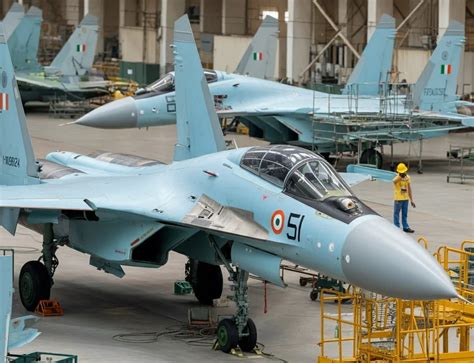
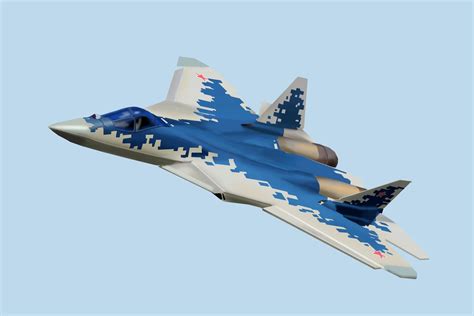
The Case for the Russian Sukhoi Su-57: Timely, Trusted, and Technologically Open
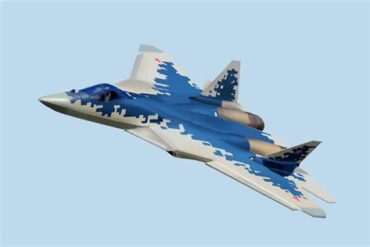
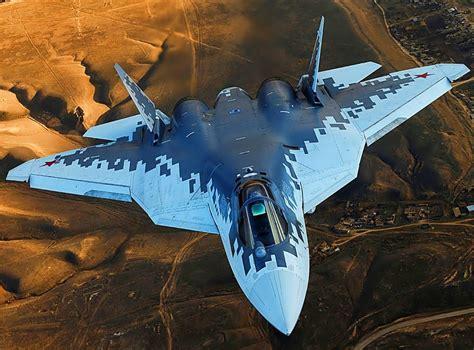
The Russian Su-57E offers India a unique package that aligns with its strategic, operational, and industrial priorities. Russia’s proposal includes:
- Co-production at Hindustan Aeronautics Limited (HAL), leveraging existing infrastructure for Su-30MKI production, ensuring smoother integration and cost-efficiency.
- Full technology transfer including source code access, enabling India to customize avionics, radars, and integrate indigenous weapons like the Astra missile and Rudram anti-radiation missile.
- Affordable acquisition: With a unit cost of $35-40 million, the Su-57 is significantly cheaper than the F-35’s $80-110 million price tag, allowing for larger fleet size within budget.
- Lower maintenance costs compared to the F-35, supporting India’s long-term sustainment goals.
The Su-57’s design features, including supercruise capability, high maneuverability, and suitability for high-altitude operations, align well with India’s diverse terrain challenges, particularly along the China border.
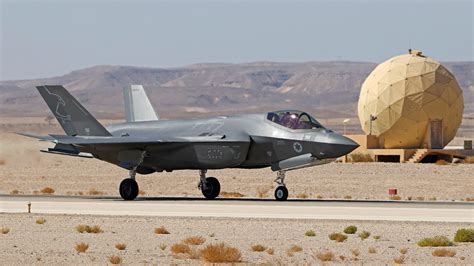
The F-35: High Costs, Technical Concerns, and Strategic Constraints
In contrast, the American F-35 presents a host of challenges that make it an impractical choice for India at this juncture. Key issues include:
- Proprietary restrictions: The F-35’s systems and software are tightly controlled, with the U.S. refusing to allow technology transfer or integration of non-NATO weapons. India would have to depend on U.S. approval even to equip the F-35 with indigenous missiles.
- Skyrocketing costs: Each F-35 unit costs between $80-110 million, nearly double the Su-57, with correspondingly high maintenance and lifecycle costs.
- Documented technical flaws: Reports highlight problems with stealth coating durability, limitations on sustained supersonic flight, helmet display vibration issues, and excessive cannon vibration. Additionally, Snowden leaks revealed cybersecurity vulnerabilities, with 50 terabytes of sensitive data stolen related to Australia’s F-35s.
America’s Track Record: Delays and Arm-Twisting
India’s recent experience with American defense procurement underscores reliability concerns. The U.S. has delayed delivery of critical components like the GE F404/F414 engines for Tejas fighters and Apache helicopters for the Indian Army, citing supply chain disruptions and technical issues. These delays occur alongside U.S. policy tools like CAATSA sanctions and export controls that limit India’s strategic autonomy.
Further complicating matters is the geopolitical risk. India has already faced U.S. threats over purchasing the S-400 air defense system and sourcing Russian oil. The unpredictability of U.S. policy, especially with leadership figures like Donald Trump expressing a pro-Pakistan tilt for personal and political gain, makes over-reliance on the U.S. defense sector a strategic liability.
The Geopolitical and Industrial Edge of Su-57
Beyond operational performance, the Su-57 offers India broader strategic benefits:
- Alignment with Make in India and Atmanirbhar Bharat initiatives: Co-production and deep localization support domestic defense manufacturing and reduce long-term foreign dependence.
- Potential as a regional exporter: Manufacturing Su-57s domestically positions India as a supplier of advanced fighter jets to friendly nations, strengthening its defense industry footprint.
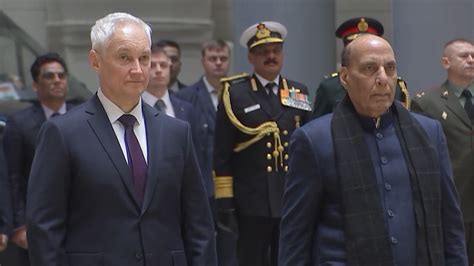
- Strengthened Indo-Russian ties: With 60% of India’s military hardware of Russian origin—including Su-30MKIs, T-72 tanks, and S-400 systems—the Su-57 would build on an established, reliable partnership.
Conclusion: Su-57 Is India’s Logical Choice for Strategic Air Power
Given the pressing need to modernize the IAF, the Su-57 represents a solution that is cost-effective, operationally compatible, and aligned with India’s strategic imperatives. The jet’s lower cost, technology transfer offers, and production synergies with existing Russian platforms make it far superior to the F-35 in the Indian context. As India waits for the AMCA program to mature, partnering with Russia for Su-57 induction ensures timely capability enhancement without compromising sovereignty or falling prey to geopolitical arm-twisting.