Satellites orbiting Earth have become indispensable tools for both civilian life and military operations. From global communications and GPS to missile tracking and battlefield surveillance, modern defense systems are now critically reliant on space-based assets. However, this growing dependency also brings vulnerability — and with that comes the strategic need for anti-satellite weapons, or ASATs. These missiles are purpose-built to destroy or disable satellites, turning once-passive orbits into potential combat zones.
The concept of destroying satellites isn’t new. It began almost immediately after the Soviet Union launched Sputnik in 1957. As the number of satellites orbiting Earth exploded into the thousands by the 2020s, so too did the development of methods to eliminate them — kinetically or otherwise.
Understanding the Kinetic Kill Approach: How ASAT Missiles Work
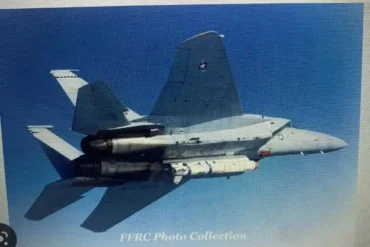
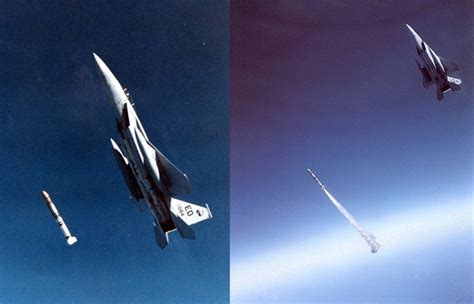
The fundamental principle behind kinetic energy anti-satellite weapons (KE-ASATs) is simple: destroy a satellite by slamming into it at incredibly high speeds. The actual implementation, however, is technologically complex. A prime example is the now-retired ASM-135 ASAT missile, the only air-launched ASAT system ever deployed by the United States.
The ASM-135 was developed to be launched from an F-15A Eagle flying at an altitude of 38,100 feet. In its only successful test on September 13, 1985, the missile was used to destroy the P78-1 satellite, which had been orbiting Earth at an altitude of 345 miles. Unlike traditional missiles, the ASM-135 carried no explosive warhead. Instead, it relied entirely on kinetic impact — traveling at 15,000 mph to obliterate the target.
Upon release, the missile utilized a two-stage solid-rocket propulsion system to escape Earth’s atmosphere. Once in space, the Miniature Homing Vehicle (MHV) — the missile’s guided tip — detached and used an infrared seeker to track the target. To maneuver, it was equipped with 64 miniature thrusters and spun for gyroscopic stability.
Because infrared seekers function optimally at extremely low temperatures, the system used liquid helium cooled to −450°F, ensuring sensitivity capable of locking onto a heat-emitting satellite. Once locked, the MHV made minor adjustments and struck its target with precision. The mission marked a technological triumph: Major Wilbert D. Pearson Jr., the pilot, became the first person to shoot down a satellite from a fighter jet.
Can a Fighter Jet Launch an ASAT Today?
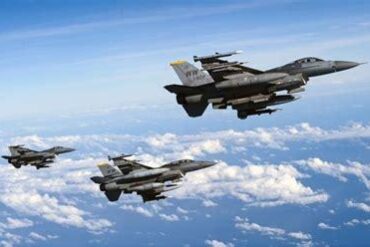
The 1985 launch proved definitively that fighter aircraft can serve as ASAT launch platforms — given sufficient altitude and flight path. The ASM-135 ASAT was tailored specifically for the F-15A, which could provide the necessary velocity and altitude for missile release. However, deploying ASATs from aircraft introduces a host of limitations:
- Launch altitude and trajectory must be carefully controlled.
- The ASAT must be precisely aligned with its satellite target due to limited post-launch maneuverability.
- Environmental and geopolitical factors constrain the operational feasibility of such launches.
Since the ASM-135 program’s cancellation in 1988, no other nation has fielded a similar air-launched ASAT capability — but the concept remains viable, particularly with advancements in fighter jet avionics, thrust, and adaptive missile systems.
The Rise of Co-Orbital and Ground-Launched ASAT Systems
While air-launched ASATs have historical significance, the modern trend in ASAT development has shifted toward ground-based systems and co-orbital interceptors.
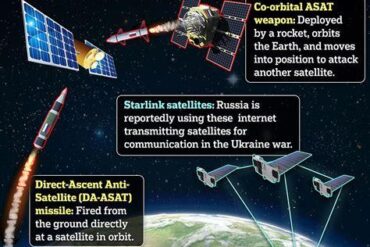
Co-orbital ASATs function by matching their orbital paths with the target satellite, gradually approaching it before executing an explosive or kinetic strike. The Soviet Union experimented extensively with these systems during the Cold War, prompting the U.S. to pursue direct-ascent capabilities like the ASM-135.
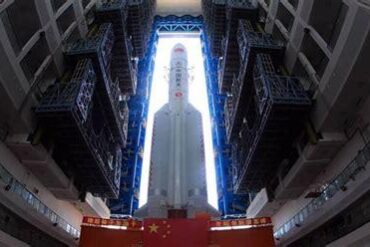
China entered the kinetic ASAT arena in 2007 by using a ground-launched missile to destroy one of its aging weather satellites. The resulting debris caused global alarm over the dangers of space militarization and orbital pollution.
Russia’s Nudol system, an advanced ASAT platform, is capable of engaging satellites from ground launchers. In November 2021, it was reportedly used to destroy Kosmos-1408, further demonstrating Russia’s capabilities in this field. Nudol’s design allows flexible targeting of satellites in varying orbits, using a combination of high-speed propulsion and orbital interception.
Non-Kinetic ASATs: The Silent Threat in Space Warfare
In addition to direct-impact missiles, there’s a growing arsenal of non-kinetic ASAT technologies. These include:
- Cyberattacks, capable of disrupting satellite control systems.
- Jamming signals, rendering communications and GPS useless.
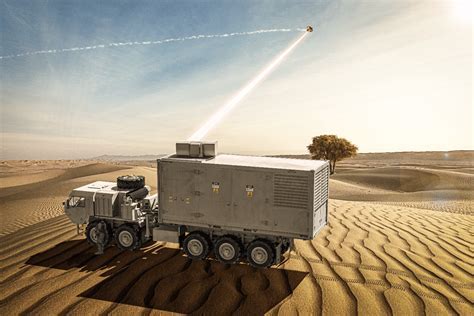
- Directed-energy weapons, like ground-based lasers, that can blind satellite sensors.
Unlike kinetic systems, non-kinetic ASATs leave no physical debris, a significant advantage given the rising concern about space junk. As satellites become increasingly central to military and civilian operations, these non-destructive tools offer covert, deniable, and often reversible options to degrade enemy capabilities without creating catastrophic orbital messes.
Why ASAT Capabilities Matter in 21st-Century Conflict
The strategic advantage of ASAT systems lies in the crippling effect their use can have on an adversary’s command, control, communications, and intelligence (C3I). In a high-intensity conflict, disrupting satellite infrastructure can:
- Impede real-time troop coordination.
- Blind missile defense and early warning systems.
- Obstruct GPS navigation and target precision.
- Isolate global military bases from command centers.
This makes space not just a domain of observation but a battleground of denial and dominance. Countries such as the United States, China, Russia, and India have demonstrated — or are suspected of developing — ASAT capabilities, underlining their increasing relevance.
The Downside: Orbital Debris and Global Risk
Each successful kinetic ASAT test dramatically increases the volume of orbital debris — essentially shrapnel traveling at thousands of miles per hour. This debris poses a risk not just to military satellites, but also to civilian space missions, weather observation equipment, and commercial satellites that serve banking, aviation, and telecom industries.
Following China’s 2007 ASAT test, over 3,000 pieces of trackable debris were created, some of which are still orbiting today. The Kessler Syndrome, a hypothetical chain-reaction where debris from one satellite collision causes cascading impacts across low-Earth orbit, remains a haunting possibility.
Future Trajectories: Will Fighter Jets Return to the ASAT Role?
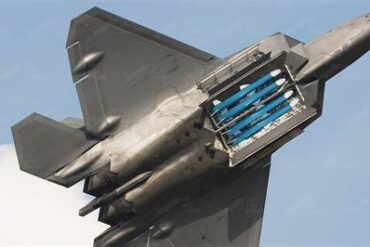
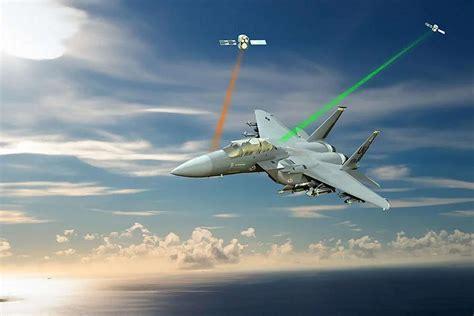
While modern space powers currently focus on ground-based and orbital ASAT platforms, the idea of launching ASATs from fighter jets isn’t obsolete. As jet propulsion, airframe technology, and compact missile design evolve, new-generation fighter aircraft could regain viability as mobile ASAT platforms — especially for rapid-response missions.
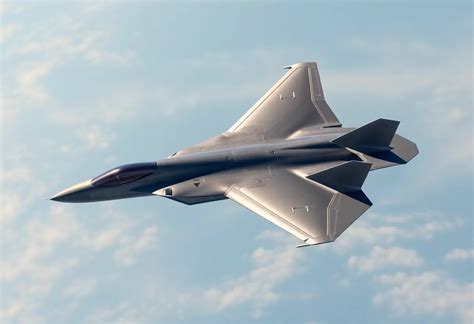
Hypothetically, a sixth-generation fighter, equipped with stealth and air-to-orbit payload capabilities, could offer a fast, flexible, and unpredictable launch method, bypassing radar and minimizing satellite defense reactions.
However, achieving orbital interception from an aircraft platform still demands rigorous coordination, precision flight profiles, and real-time satellite tracking. These remain formidable challenges, and for now, air-launched ASATs remain largely a Cold War-era proof of concept.
Conclusion: The Fragile Balance of Power in the Skies Above
Anti-satellite missiles serve as stark reminders that space is no longer a sanctuary but an increasingly contested domain. While fighter jets like the F-15A once proved their worth in the ASAT role, today’s landscape leans toward ground-launched precision systems, co-orbital threats, and non-kinetic options.
As nations double down on space supremacy, the risk of escalation — and space pollution — grows ever more pressing. Strategic restraint, international treaties, and innovation in debris-mitigation technologies may be our only hope to preserve low-Earth orbit as a usable domain for generations to come.