Norway’s Transfer of F-16s to Ukraine
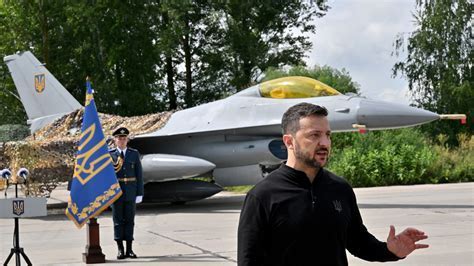
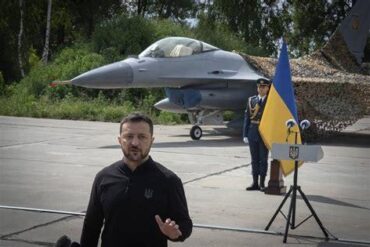
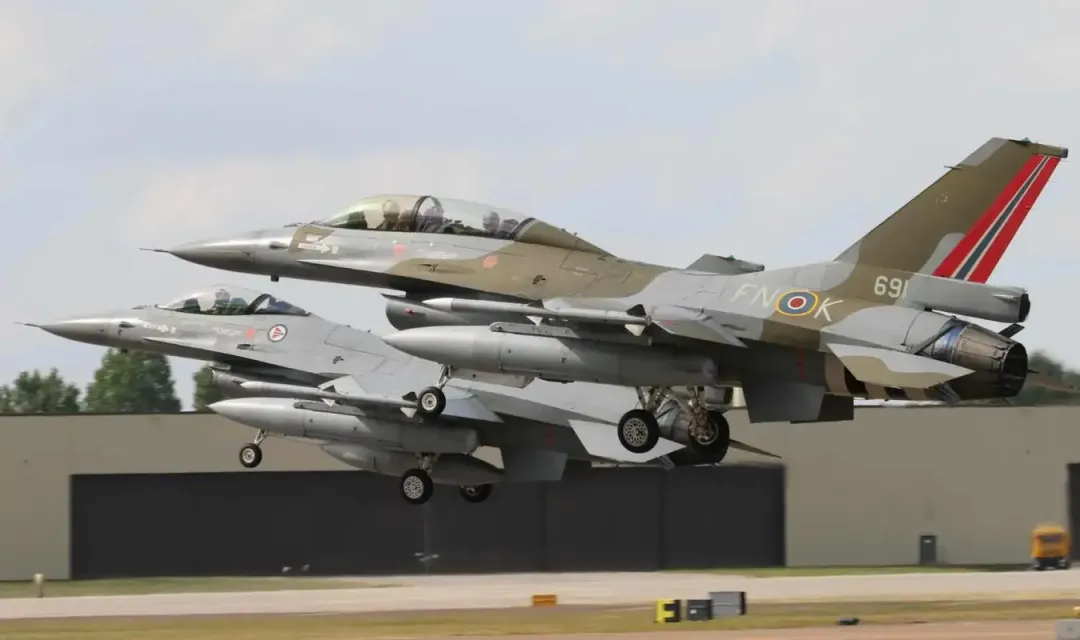
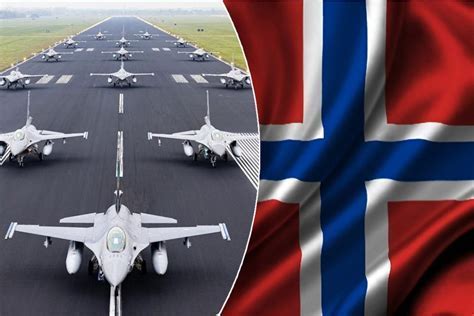
Norway has taken a significant step in strengthening Ukraine’s air defense by committing 22 F-16A/B fighter jets to the country. This transfer, approved by the United States in April 2024, is part of a broader initiative alongside Denmark and the Netherlands to supply Ukraine with a total of 65 F-16s.
Among Norway’s 22 jets, only 12 are combat-ready, while the remaining 10 require maintenance or will be used for spare parts. These aircraft, retired in 2022 after over 40 years of service, have been an integral part of Norway’s air force and have undergone extensive upgrades to remain effective in modern combat scenarios.
Technical Specifications and Upgrades
Modernized Combat Systems
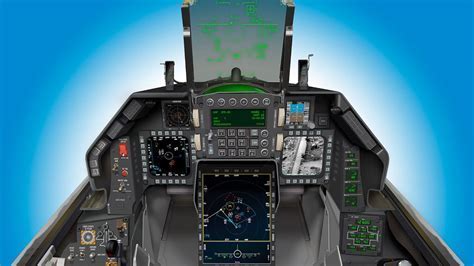
Norwegian F-16s are Mid-Life Update (MLU) M3 variants, featuring significant avionics and weapons enhancements. Key upgrades include:
- Link 16 tactical data link for real-time battlefield communication.
- Joint Helmet-Mounted Cueing System (JHMCS), allowing pilots to aim weapons simply by looking at targets.
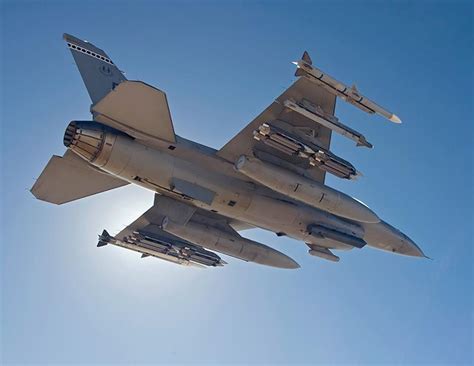
- Compatibility with advanced weaponry such as:
- AIM-120B AMRAAM air-to-air missiles
- JDAM precision-guided bombs
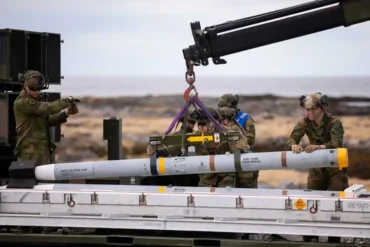
- JSOW glide bombs
These enhancements enable the F-16s to effectively engage aerial and ground-based threats, increasing Ukraine’s defensive and offensive capabilities.
Adaptations for Harsh Conditions
Norway’s geographical challenges have shaped specific modifications in its F-16 fleet. These aircraft are equipped with:
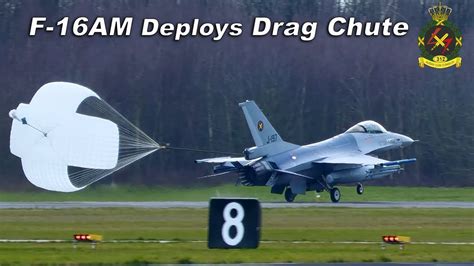
- Drag chutes, enabling safe landings on short and icy runways.
- Cold-weather lighting systems, ensuring visibility in Arctic conditions.
Such features make Norwegian F-16s highly adaptable for Ukrainian airfields, particularly during winter operations.
Pilot Training and Logistics Challenges
Training Ukrainian Pilots and Technicians
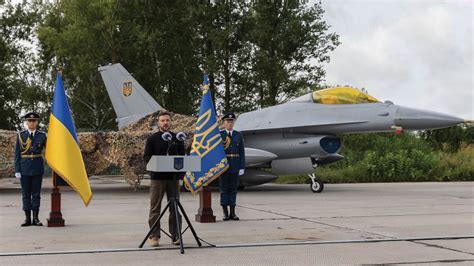
Ukrainian pilots and technicians are undergoing training in Denmark, utilizing Norwegian F-16s and simulators. Norway has provided 10 instructors to aid in this process. However, several challenges persist:
- English-language proficiency remains a key obstacle, as F-16 systems require pilots to understand technical manuals and communications in English.
- Accelerated training schedules due to Ukraine’s urgent need for operational readiness.
Despite these challenges, Ukrainian pilots are progressing steadily, ensuring they can maximize the combat effectiveness of these aircraft.
Maintenance and Logistical Hurdles
Sustaining F-16 operations in Ukraine presents several logistical challenges:
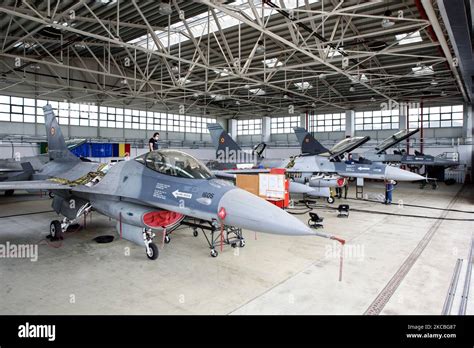
- Spare parts and maintenance: Single-engine F-16s require regular upkeep, and Norway’s additional 10 jets will serve as a crucial source of spare parts.
- Western technical support: Ukrainian crews will rely on NATO and partner nations for expertise in engine servicing, avionics repairs, and weapons system upgrades.
- Vulnerability to Russian strikes: Airbases housing F-16s could be targeted, necessitating robust defense mechanisms, including hardened shelters and dispersal tactics.
Strategic Impact of F-16s in Ukraine
Defensive and Offensive Capabilities
Norway’s F-16s will enhance Ukraine’s ability to:
- Intercept Russian aircraft, missiles, and drones, strengthening air superiority.
- Conduct long-range strikes using precision-guided munitions.
- Deter Russian advances by increasing operational pressure on enemy forces.
Advanced weaponry such as the Storm Shadow/SCALP cruise missiles and the R-360 Neptune anti-ship missile will complement F-16 capabilities, enabling strikes against Crimea and Russian logistics hubs.
Political and Military Significance
The transfer of Norwegian F-16s symbolizes NATO’s unwavering support for Ukraine while reinforcing the alliance’s strategic presence in Eastern Europe. However, restrictions imposed by Western allies limit Ukraine’s use of these aircraft in direct strikes on Russian territory, keeping operations focused on defensive and counteroffensive missions.
Norway’s Transition to F-35s
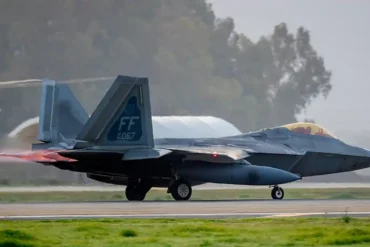
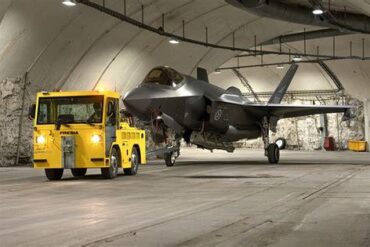
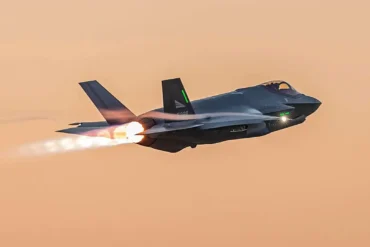
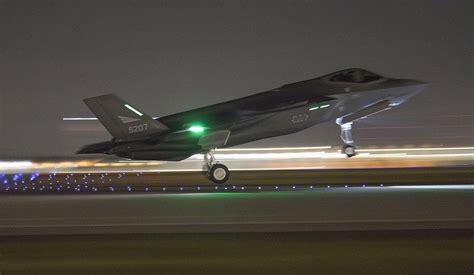
Norway retired its F-16 fleet in 2022, replacing them with 52 state-of-the-art F-35A Lightning II stealth fighters. The F-35s incorporate:
- Advanced sensors and electronic warfare capabilities.
- Drag chutes for icy runways, similar to the F-16 modifications.
- Stealth technology, significantly reducing radar detection.
These upgrades signify Norway’s commitment to maintaining cutting-edge aerial defense capabilities while supporting Ukraine with battle-tested F-16s.
Conclusion
The delivery of Norwegian F-16 fighter jets to Ukraine marks a pivotal moment in the ongoing conflict, significantly enhancing Ukraine’s air combat capabilities. While these jets require extensive maintenance and pilot training, they serve as a critical deterrent against Russian air superiority.
Ukraine’s ability to fully integrate these aircraft will depend on Western logistical support, continuous training, and strategic deployment to avoid vulnerabilities. As NATO nations continue to reinforce Ukraine’s military capabilities, Norway’s F-16s play a crucial role in shifting the balance in the air war.
FAQ
1. Why is Norway transferring F-16s to Ukraine?
Norway is providing 22 F-16 fighter jets to Ukraine as part of a broader NATO effort to bolster Ukraine’s air defense capabilities. This move aligns with Western support for Ukraine against Russian aggression, ensuring Ukraine has modern airpower to counter enemy threats.
2. Are all Norwegian F-16s combat-ready?
No, out of the 22 aircraft, only 12 are immediately combat-capable. The remaining 10 require maintenance or will be used for spare parts to sustain operational readiness.
3. What challenges does Ukraine face in operating these F-16s?
Key challenges include pilot training, English-language proficiency, maintenance logistics, and protecting airbases from Russian strikes. Despite these hurdles, Ukrainian pilots are undergoing intensive training, and NATO allies are committed to providing technical support to maximize operational effectiveness.