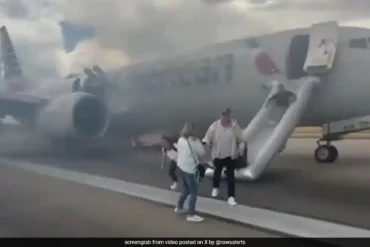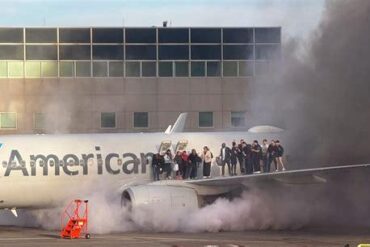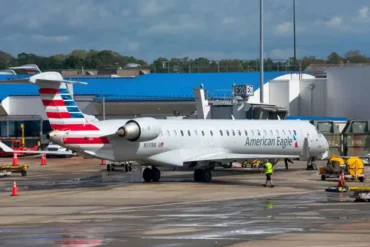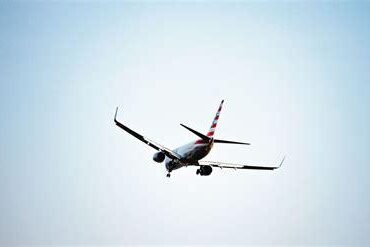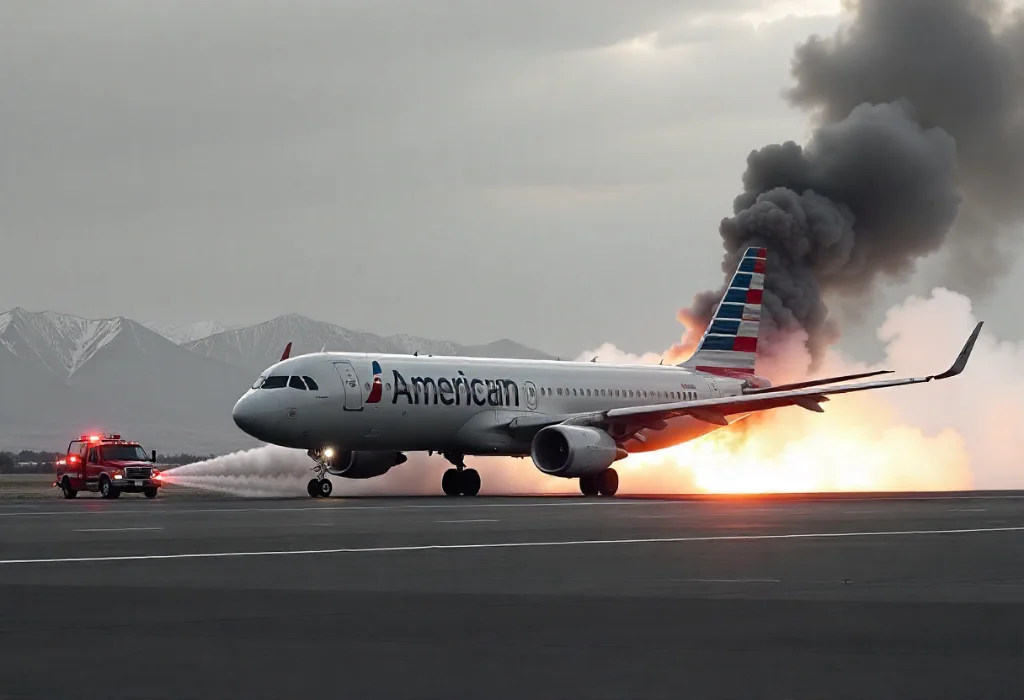
On July 26, 2025, an American Airlines Boeing 737 MAX 8 operating as Flight AA3023 faced a serious safety incident at Denver International Airport (DEN), resulting in an emergency evacuation. The aircraft, which was scheduled to depart for Miami International Airport (MIA), suffered a landing gear tire malfunction that led to a fire, triggering a swift emergency response and temporary ground stop at one of the nation’s busiest airports. This incident underscores the importance of stringent maintenance protocols, effective crew coordination, and robust emergency response systems in modern aviation.
How the Incident Unfolded
The emergency began in the early afternoon, shortly after the aircraft pushed back from Gate C34 for its scheduled 1:12 p.m. departure. According to reports, the flight crew detected a tire issue during pre-takeoff procedures, leading to an immediate decision to cancel takeoff. As the issue escalated, the landing gear caught fire, prompting an emergency call to airport rescue services. The Denver Fire Department responded rapidly, extinguishing the fire before it could spread further or cause structural damage to the aircraft.
Eyewitness accounts describe the scene as tense but orderly, with flight attendants and crew implementing evacuation protocols while emergency personnel converged on the aircraft. Quick thinking by the flight deck crew and the airport fire team prevented what could have become a far more severe incident.
Passenger Evacuation and Injuries
The aircraft was carrying 173 passengers and six crew members at the time of the incident. American Airlines confirmed that passengers were evacuated safely, with five individuals treated on-site for minor injuries and one passenger transported to a local hospital for further care. Fortunately, none of the injuries were life-threatening.
To mitigate disruption for travelers, American Airlines arranged a replacement flight for the affected passengers to reach Miami later the same day, ensuring minimal interruption to their travel plans. The carrier also offered support services, including accommodations and rebooking assistance where necessary.
Ground Stop and Airport-Wide Delays
The incident caused a temporary ground stop at Denver International, lasting roughly one hour between 2 p.m. and 3 p.m. During this period, departures were suspended, and FlightAware data indicated cascading delays for arrivals and departures across multiple carriers. While operations resumed by late afternoon, the event illustrates how a single aircraft emergency can create a ripple effect across a major transportation hub.
Airport authorities and Federal Aviation Administration (FAA) officials monitored the situation closely, coordinating with American Airlines and emergency services to restore normal operations.
Investigating the Cause: Landing Gear Failure
According to a preliminary statement from the FAA, the fire stemmed from a tire malfunction associated with the landing gear system. While the root cause of the malfunction remains under investigation, this type of issue raises serious considerations for fleet maintenance practices and inspection routines.
American Airlines has removed the aircraft from service, pending a comprehensive inspection and maintenance review. The airline confirmed that all necessary repairs and safety checks will be completed before the aircraft reenters operation, in alignment with regulatory requirements.
A Pattern of Safety Challenges at Denver
This incident is not an isolated event for American Airlines operations at Denver. In March 2025, another American Airlines flight experienced an engine problem, resulting in a precautionary diversion to the same airport. While the two incidents differ in nature, they highlight the need for heightened attention to technical performance and risk mitigation strategies, particularly in high-traffic facilities such as DEN.
Emergency Response: A Critical Line of Defense
Denver International Airport maintains one of the most advanced emergency response frameworks in the country, and this event showcased its effectiveness. Firefighters and rescue teams were on the scene within minutes, and the coordination between ground crews and flight attendants ensured the rapid and safe evacuation of all passengers.
American Airlines praised the crew’s professionalism and reiterated its commitment to passenger safety, emphasizing that swift action prevented a potentially catastrophic escalation. FAA representatives are expected to conduct a thorough review to assess whether additional safety measures or procedural changes are warranted.
Impact on Operations and the Wider Aviation Network
While the ground stop was brief, it had a notable impact on Denver’s flight schedule, delaying multiple domestic and connecting services. In a busy travel season, such disruptions can create a chain reaction affecting airline scheduling, passenger connections, and operational logistics. For airlines, the cost of such incidents extends beyond immediate delays, encompassing customer trust, reputational risk, and regulatory scrutiny.
Lessons for the Aviation Industry
The incident reinforces several critical lessons for the aviation sector:
- Rigorous Maintenance: Tire and landing gear inspections remain vital, especially for narrow-body workhorse fleets like the 737 MAX 8.
- Crew Preparedness: Well-rehearsed evacuation procedures saved lives and minimized injuries.
- Infrastructure Readiness: Airports must maintain rapid-response capabilities for emergencies to prevent escalations.
- Passenger Communication: Transparent and timely updates build trust during disruptions.
Such incidents often lead to industry-wide safety reviews, pushing airlines and regulators to reexamine maintenance protocols and emergency readiness standards.
Conclusion: Safety as a Non-Negotiable Priority
The landing gear fire on Flight AA3023 serves as a powerful reminder that safety remains the cornerstone of modern air travel. While the outcome avoided tragedy, it is a wake-up call for airlines, regulators, and manufacturers to continue refining risk prevention strategies. The FAA’s investigation will likely inform further recommendations, and American Airlines’ proactive approach in addressing the incident reflects the industry’s overarching priority: ensuring that every passenger arrives safely at their destination.
In the aftermath of this incident, the collaboration between flight crew, emergency responders, and airport personnel showcased the strength of aviation’s multilayered safety net. Though operational disruptions and passenger inconvenience are unfortunate consequences, they pale in comparison to the success of preventing a potential disaster. This event reaffirms that, in aviation, constant vigilance and rapid response are the keys to maintaining public trust and operational resilience.