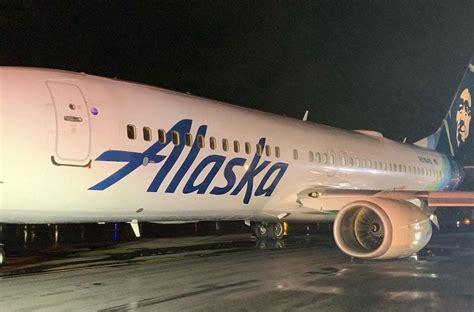
On the morning of July 25, 2025, a routine Alaska Airlines flight into Kodiak Airport turned unexpectedly tense when a Boeing 737 collided with two deer while landing. The incident, which unfolded at approximately 8 a.m., resulted in damage to the aircraft’s landing gear but, remarkably, no injuries were reported among passengers or crew. Despite the collision, the experienced flight crew maintained full control of the aircraft, safely taxiing it to the terminal, underscoring both their skill and the effectiveness of Alaska Airlines’ emergency protocols.
Details of the Incident
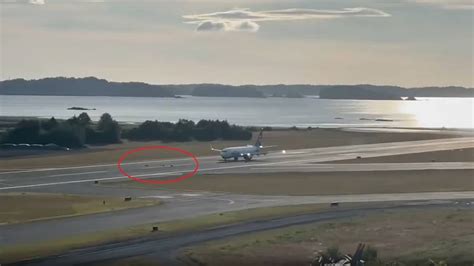
The Alaska Airlines Boeing 737 was completing its final approach when two deer entered the runway path during rollout. Wildlife incursions at airports, though rare, pose a significant hazard, particularly in remote regions like Kodiak Island, where deer and other large mammals roam freely near airport perimeters. According to eyewitness accounts, the aircraft struck the animals with its landing gear shortly after touchdown. The impact caused visible structural damage to the gear assembly, but the flight crew quickly assessed the situation and managed a safe taxi to the terminal. The deer did not survive the collision.
Immediate Response from Alaska Airlines and Kodiak Airport
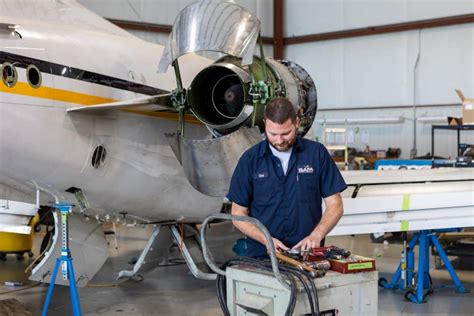
In the aftermath, Kodiak Airport’s wildlife control teams acted swiftly, clearing the runway and conducting a thorough inspection for debris or additional hazards. Alaska Airlines engineers were dispatched for an on-site evaluation of the aircraft’s landing gear, ensuring that no further structural compromises were present. Following these checks, the aircraft was temporarily grounded for detailed inspection. Airport officials also confirmed that runway operations resumed promptly after ensuring the safety of subsequent flights.
Kodiak Airport maintains contingency protocols for wildlife encounters, which include fencing strategies, habitat modification, and routine surveillance around airfield boundaries. Despite these preventative measures, the incident highlights the persistent challenge of wildlife incursions, particularly in rural and wildlife-rich regions.

Wildlife Hazards at Remote Airports
Wildlife strikes remain a recognized risk across the aviation industry, especially at airports surrounded by dense natural habitats. Kodiak Island, known for its rugged terrain and diverse animal populations, has long presented these operational complexities. While airports typically employ wildlife management programs—such as controlled fencing, habitat disruption, and continuous monitoring—complete elimination of wildlife risks remains difficult in such environments. The presence of large mammals, such as deer and moose, requires constant coordination between airport authorities, wildlife specialists, and airlines.
The Federal Aviation Administration (FAA) has issued multiple guidelines for wildlife hazard management, urging airports to take proactive steps in reducing risks. However, even with advanced strategies in place, sudden incursions can occur with little warning, as was the case with this collision.
Alaska Airlines’ Safety Commitment
For Alaska Airlines, the incident reinforces the unpredictable challenges of operating in remote regions. The airline has a long-standing reputation for maintaining a robust safety culture and equipping its pilots to handle complex, unexpected scenarios. Its crew’s swift and composed response ensured that the aircraft remained stable and all passengers were safely escorted from the plane without delay. The airline released a statement emphasizing its commitment to safety, assuring passengers that all necessary inspections and assessments were conducted before returning the aircraft to service.
Passengers’ Experience and Crew Performance
Passengers reported feeling a sudden jolt during rollout but praised the calm and clear communication from the flight crew. This quick reassurance, combined with the seamless taxiing to the terminal, contributed to maintaining a sense of order and safety onboard. Such professional handling underscores the extensive training Alaska Airlines pilots undergo for managing abnormal landing situations, particularly in the unique operating environments of Alaska.
Broader Implications for Aviation Safety
This incident sheds light on the ongoing risks of wildlife strikes in commercial aviation. According to FAA data, wildlife strikes have steadily increased over the past decade, in part due to expanding wildlife populations near urban and rural airports alike. While most incidents result in minimal damage, collisions with large mammals like deer can have serious implications for aircraft safety, particularly during critical phases like landing or takeoff.
The Kodiak incident also raises questions about enhancing wildlife management programs at airports with known risks. Potential solutions include expanding fencing coverage, investing in advanced animal detection systems, and implementing more aggressive wildlife relocation programs. Additionally, increasing pilot awareness and runway monitoring technologies could further mitigate these risks.
Operational Continuity and Recovery
Despite the collision, Alaska Airlines managed to maintain operational continuity with minimal disruption. The affected Boeing 737 underwent a full technical inspection before returning to service, and no flights were canceled or significantly delayed as a result of the incident. This reflects the airline’s operational resilience and ability to quickly adapt in the face of unexpected events.
Airport authorities also reaffirmed their commitment to improving wildlife hazard response protocols, emphasizing that safety remains their top priority. As part of their post-incident review, Kodiak Airport is expected to evaluate potential enhancements to its wildlife mitigation strategies, ensuring further protection for future flights.
Conclusion
The Alaska Airlines Boeing 737 deer strike at Kodiak Airport serves as a stark reminder of the unpredictable challenges faced by airlines and airports operating in remote, wildlife-dense environments. While the collision caused notable damage to the aircraft’s landing gear, the absence of injuries and the efficient handling by both the flight crew and ground teams demonstrate the effectiveness of robust safety measures already in place. Moving forward, this incident underscores the need for continued investment in wildlife management strategies and reinforces Alaska Airlines’ unwavering commitment to passenger safety, even in the face of unexpected hazards.