A Tragic Incident Over San Diego Bay
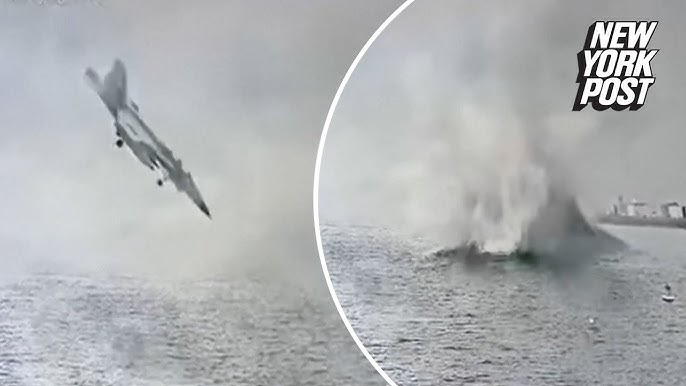
A United States military jet, identified as an F/A-18 Hornet, crashed into San Diego Bay on Wednesday, February 12, 2025, triggering an immediate rescue response. The crash occurred at approximately 10:15 AM local time, with emergency teams rushing to the scene to assist the pilots and contain any potential hazards. The F/A-18 Hornet, a twin-engine, supersonic aircraft used by the United States Navy and Marine Corps, is among the most advanced fighter jets in the world, with an estimated value of $100 million.
Pilot Ejection and Immediate Rescue Operations
The two pilots on board were able to eject from the aircraft before impact, parachuting into the water near Shelter Island Drive, a popular area known for its hotels, restaurants, and marina facilities. The U.S. Coast Guard, along with the San Diego Fire-Rescue Department, launched an immediate rescue operation, deploying boats, helicopters, and emergency crews to retrieve the pilots from the water. Both individuals were successfully rescued and transported to San Diego Hospital, where they remain in stable condition.
Federal Agencies Take Over the Investigation
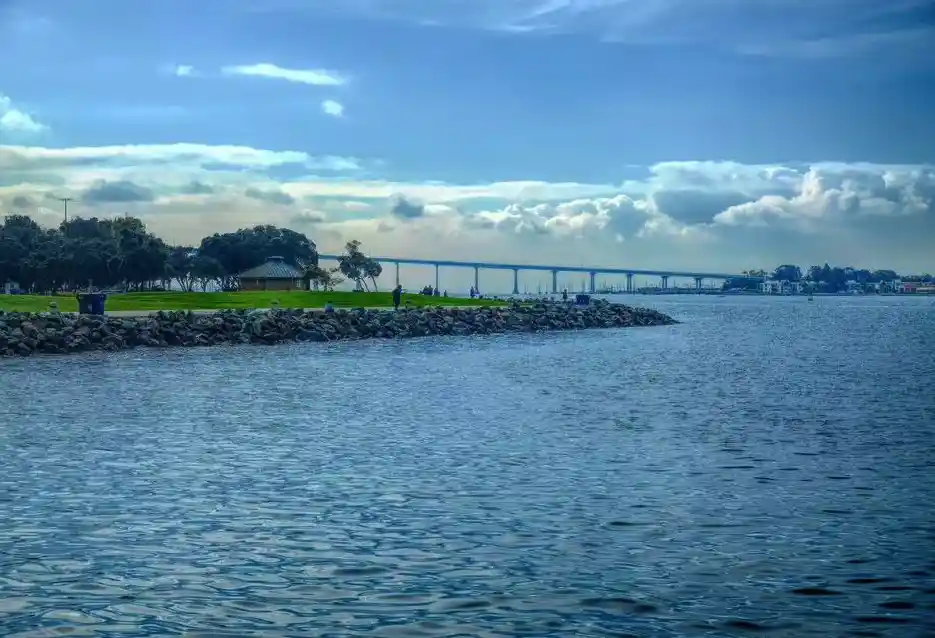
While local emergency responders were the first to arrive at the scene, federal agencies, including the U.S. Navy and Coast Guard, quickly took over the operation. The crash location, near Kona Kai San Diego Resort, is a busy area with significant civilian and maritime activity, prompting swift action to secure the crash site and assess environmental hazards.
Possible Causes of the Crash
At this time, the cause of the crash remains under investigation. The F/A-18 Hornet has a strong safety record, but like all military aircraft, it is subject to risks, including mechanical failures, bird strikes, and pilot error. Given the high-stakes nature of carrier-based operations, fighter jets undergo rigorous maintenance protocols. Investigators will likely analyze the flight data recorder (black box), pilot communications, and eyewitness reports to determine what led to the crash.
The Role of Marine Traffic Monitoring
Reports indicate that Marine Traffic, a platform tracking global naval movements, showed a U.S. military vessel near the crash site, aiding in the rescue and recovery efforts. This highlights the critical role of real-time tracking in responding to aviation accidents, especially in heavily trafficked maritime areas like San Diego Bay.
A Pattern of Recent Aviation Disasters
The F-18 crash in San Diego is the latest in a series of aviation incidents in the United States in 2025. Just weeks earlier, a passenger jet collided with a military helicopter near Washington, D.C., resulting in the deaths of 67 people. Other recent incidents include:
- A medical jet crash in Pennsylvania, killing six people on board and one person on the ground.
- A private jet crash in Alaska, resulting in ten fatalities.
- A runway accident in Scottsdale, Arizona, involving a private plane owned by Motley Crue’s Vince Neil, which led to one fatality and three injuries.
Environmental and Safety Concerns
Any aircraft crash into waterways raises concerns over fuel spills, debris contamination, and ecosystem damage. The U.S. Environmental Protection Agency (EPA) and the Coast Guard are expected to conduct water quality assessments to mitigate any potential risks to marine life and local water resources. Additionally, recovery teams will work to retrieve wreckage pieces from the bay to prevent navigation hazards for commercial and civilian boats.
Conclusion
The F/A-18 Hornet crash in San Diego underscores the inherent risks of military aviation and the importance of rapid emergency response systems. While both pilots survived, the incident has raised questions about operational safety and aircraft reliability. A full investigation by the U.S. military will aim to uncover the root cause of the crash and implement measures to prevent future occurrences.
Frequently Asked Questions (FAQ)
What caused the F-18 crash in San Diego?
The exact cause of the F/A-18 Hornet crash is still under investigation. Potential factors include mechanical failure, environmental conditions, or pilot error. Officials will analyze flight data, pilot reports, and witness accounts to determine the reason.
Were the pilots injured in the crash?
Both pilots ejected successfully and were rescued by the U.S. Coast Guard. They were transported to San Diego Hospital, where they are reported to be in stable condition.
How does this crash compare to other recent aviation accidents?
The San Diego F-18 crash is part of a concerning pattern of aviation incidents in the U.S. in 2025, including passenger jet collisions, private aircraft accidents, and medical jet disasters. While military aviation carries unique risks, the recent frequency of crashes has sparked renewed scrutiny on aviation safety measures.