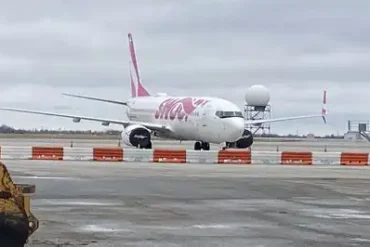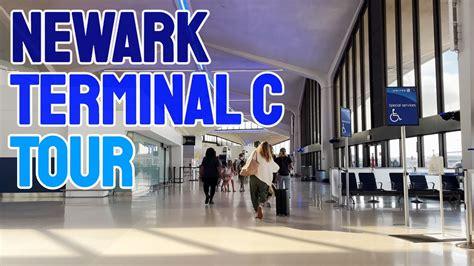
Newark Liberty International Airport, a major hub for United Airlines, has recently faced significant operational challenges that have disrupted air travel. With flight cancellations, delays, and frustrated passengers becoming a common sight, the airline has been at the forefront of navigating these issues. United Airlines, as the dominant carrier at Newark, found itself bearing the brunt of a crisis that has highlighted the vulnerabilities of the airport’s infrastructure and the airline’s operations. However, behind the scenes, United has been working tirelessly to mitigate the impact of these disruptions, ensuring that passengers still experience the best service possible despite the turbulence.
The Backdrop: A Crisis Unfolds at Newark
Newark airport’s operational meltdown, caused by failures at an outdated air traffic control center, resulted in hundreds of canceled flights and numerous delays. For United Airlines, the implications of these disruptions were immense. As the primary carrier at Newark, United was hit particularly hard. The airport’s reliance on outdated systems combined with staffing shortages created a perfect storm that affected not just United Airlines but all airlines operating in and out of the hub. Yet, while the airport scrambled to restore normal operations, United took immediate steps to adjust and manage the crisis as efficiently as possible.
In the wake of these challenges, the FAA implemented several changes, including the installation of better backup systems. However, persistent staffing shortages continue to limit the number of flights allowed to land at Newark, impacting United’s operations during the peak travel season.
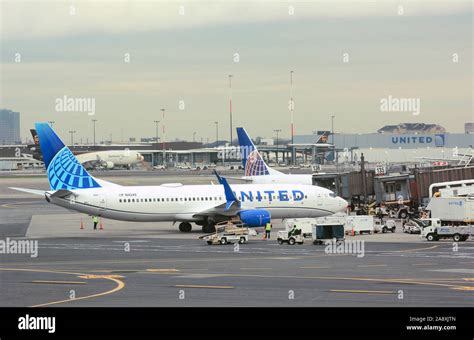
How United Airlines Has Adapted to the Situation
United Airlines’ response to the Newark Airport crisis has been multifaceted, focusing on both short-term solutions and long-term improvements to ensure passengers continue to be served effectively. The airline’s primary goal has been to ensure that any operational hiccups, no matter how small or large, are addressed quickly to minimize passenger inconvenience.
Arty Martins, a United Airlines manager at the station operation center, explained that working at Newark is “irregular every day.” Martins, who has worked with the airline for 32 years, manages operations from the ground up, ensuring that minor issues are dealt with before they escalate. These issues could range from something as simple as a passenger dropping a cell phone to more significant mechanical issues with aircraft, such as cargo doors that fail to close properly.
These quick responses have become critical in maintaining the airline’s operations during periods of intense disruption. The goal is to address any issues proactively, even before passengers are aware of them, ensuring that delays and cancellations are minimized.
Staff Shortages and Flight Reductions: A Strategic Response
United Airlines’ operational flexibility has been tested during this time, particularly with the FAA’s decision to limit the number of flights permitted to land at Newark. For United, this resulted in a drastic reduction of flight operations—approximately 100 fewer flights per day, a 25% reduction in capacity during one of the busiest periods of the year.
Despite the significant reduction in flights, United Airlines has taken a strategic approach to minimizing the impact on passengers. According to Capt. Allan Twigg, the Managing Director of United’s Newark hub, the airline quickly adjusted its schedule to match the FAA’s new limits, which in turn led to a noticeable drop in cancellation rates. The reduction in flights also had the unintended benefit of decreasing overcrowding in the airport terminals and improving the airline’s on-time performance, leading to better service for passengers overall.
“Once we had the airline-sized schedule wise to what we could manage with the FAA, our cancellation rate came right back down,” said Twigg. He explained that this adjustment was a key factor in ensuring that United could still meet its commitments to customers, despite the reduced number of flights.
The Positive Outcome: An Unexpected Silver Lining
While analysts have predicted that United Airlines will face significant financial losses due to the reduction in flight operations at Newark, there has been a surprising upside to the situation. With fewer flights operating, passengers have experienced less congestion at the airport, and on-time performance has actually improved, providing a more pleasant experience for those flying through Newark.
The change in United’s operations has resulted in more manageable crowd levels, less stress for both staff and passengers, and improved punctuality. While it is undeniable that the airline has suffered financial setbacks due to the reduced capacity, the improved customer experience has helped mitigate the impact on United’s reputation.
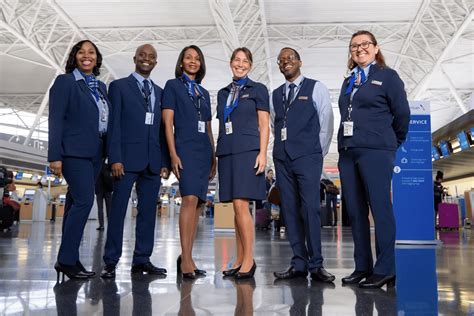
Preparing for the Future: Ramp-Up Plans and Recovery
As the summer season approaches, United Airlines is preparing to ramp up its operations at Newark. The airline has been actively working with the FAA to ensure that flight capacities can gradually return to normal levels. However, the staffing shortages that continue to plague Newark remain a significant challenge, and United is focusing on long-term solutions to address this issue.
In the meantime, United Airlines is continuing its commitment to providing excellent service, making sure that passengers are taken care of and that delays are kept to a minimum. The airline’s efforts in managing this crisis demonstrate its resilience and ability to adapt in the face of significant operational hurdles. By prioritizing customer safety and comfort, United Airlines is proving that, even in the most trying times, it is capable of delivering on its promises.
Conclusion: United Airlines’ Commitment to Service Amidst Challenges
The recent operational disruptions at Newark Liberty International Airport have tested United Airlines in ways that few had anticipated. However, through quick adjustments, strategic flight reductions, and a focus on customer service, United has been able to mitigate the impact of the airport’s meltdown. While the financial repercussions are still being felt, the airline has turned the situation into an opportunity to improve service quality and operational efficiency.
As United Airlines continues to navigate these turbulent times, passengers can take solace in the fact that the airline is doing everything it can to ensure that they reach their destinations safely, comfortably, and on time. In the end, the airline’s ability to adapt and maintain a high level of service during this crisis is a testament to its commitment to its customers.