
Canadian travelers are increasingly squeezed by soaring domestic airfares and a market dominated by just two carriers — Air Canada and WestJet — according to a detailed new report by the Competition Bureau of Canada. The findings lay bare the structural limitations of Canada’s aviation sector and propose a bold fix: opening domestic air routes to foreign carriers. With this move, the Bureau hopes to inject much-needed competition, lower fares, and provide Canadians with more affordable and flexible travel options across the country.
At the heart of the Bureau’s concern lies a deep-rooted lack of competition. The study, based on data from 1,500 Canadian respondents and in-depth market analysis, finds that Canadians pay significantly more for domestic flights than travelers in similarly developed countries. Routes such as Toronto to Vancouver often cost as much or more than international flights to Mexico or Europe, a phenomenon that is forcing many would-be domestic travelers to look abroad for better value.
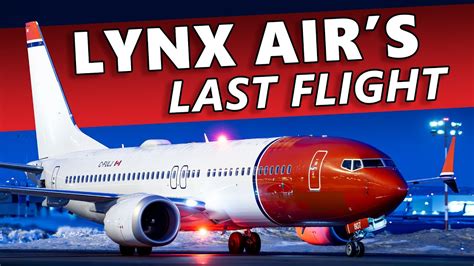
The Competition Bureau’s report paints a portrait of an aviation sector structurally resistant to disruption. Smaller, budget airlines that attempted to break into the market have been quickly subsumed or pushed out. Discount airlines like Lynx Air, which launched with optimism in 2022, could not withstand the pressure from entrenched incumbents and ceased operations by February 2024. Others, such as Swoop and Sunwing Airlines, were merged into WestJet, further consolidating the domestic market and reducing competition.
Dominance by Legacy Airlines Driving Up Prices
The Bureau highlights how Canada’s airline sector has evolved into a near-duopoly, with Air Canada and WestJet accounting for the lion’s share of domestic routes. In many regions, particularly those outside of major metropolitan hubs, one or the other carrier is the only option available. This degree of market concentration results in high fares and stifles innovation.
In smaller cities and rural areas, where transportation alternatives are limited, this lack of competition is especially punishing. Consumers face steep fares with no relief in sight. According to Anthony Durocher, deputy commissioner at the Competition Bureau, “The level of concentration in the industry means that on many routes, travelers have limited choice and pay higher fares than they might in a more competitive environment.”
These inflated prices have knock-on effects across the economy. High transportation costs hinder domestic tourism, strain regional connectivity, and ultimately slow economic activity. In particular, the Toronto–Vancouver route — one of Canada’s most traveled — has become a symbolic example of the broader issue: limited competition driving international-level pricing on domestic flights.
The Rise and Fall of Discount Airlines in Canada
Efforts to inject competition into the market through low-cost carriers have largely failed. Lynx Air, a promising entrant that launched in 2022, promised a fresh approach with lower fares and streamlined services. But Lynx struggled to gain traction in a hostile environment where airport slot restrictions, gate availability, and advertising dominance by major players heavily favored legacy carriers.
By early 2024, Lynx Air was grounded permanently, unable to expand its route network or lower prices sufficiently to win long-term customer loyalty. Its demise mirrors that of other discount ventures like Swoop, which was absorbed into WestJet, erasing yet another low-fare alternative.
These repeated failures reflect a systemic problem. Without a structural shake-up — either through regulatory intervention or new market entrants — the Canadian airline industry will continue to be dominated by two carriers with little incentive to compete on price or service innovation.
Opening the Skies: A Controversial but Bold Proposal
In response, the Competition Bureau has issued 10 sweeping recommendations, the most dramatic of which is to allow foreign carriers to operate domestic routes within Canada. Currently, only Canadian-owned airlines can fly between Canadian cities — a protectionist measure aimed at preserving national control over vital transportation infrastructure.
But the Bureau argues that this restriction does far more harm than good. Pointing to Australia’s model, where foreign airlines are permitted to run domestic services, the Bureau suggests that similar reforms in Canada could significantly boost competition, lower fares, and improve customer choice.
According to the report, allowing airlines like Delta, Lufthansa, or Emirates to offer domestic legs in Canada would break the stranglehold of Air Canada and WestJet, forcing them to compete on both price and service — benefits that would directly impact Canadian travelers.
However, not everyone is on board. Critics warn that allowing foreign competition could jeopardize Canadian jobs, especially in regions where airline employment is one of the few stable career paths. Tim Perry, president of the Canadian branch of the Air Line Pilots Association, warns that foreign entrants may cherry-pick profitable routes, neglecting smaller communities and undermining regional development.
Balancing Protectionism and Consumer Welfare
The debate around foreign competition exposes a deep policy tension: should air travel serve economic nationalism or consumer affordability? For now, the Bureau believes the cost burden on Canadian consumers is too high to ignore.
Beyond foreign ownership, the Bureau’s proposals also tackle structural and regulatory barriers:
- Restricting the Transport Minister’s discretion to override antitrust rulings during airline mergers, ensuring greater regulatory independence.
- Publishing performance data — including on-time records, cancellation rates, and pricing transparency — to help consumers make informed choices.
- Loosening international flight restrictions at regional airports, allowing more flexibility in route planning and airline partnerships.
These measures, while less controversial, would still represent a significant overhaul of current aviation policy — shifting Canada toward a more open, competitive, and consumer-centric air travel system.
Tourism Ripple Effects and a Domestic Shift
While the battle for the skies plays out at the policy level, its effects are already being felt on the ground — or in the air. Canadian tourism trends are shifting. The cost of flying to the U.S. has pushed many Canadians to vacation at home, hurting tourism-dependent U.S. destinations and simultaneously overloading domestic attractions.
Recent reports show a 21% drop in bookings from Canada to the U.S. for summer 2025, a statistic that’s forcing American tourism boards to recalibrate their marketing strategies. Meanwhile, Canadian parks and museums are experiencing a boom, aided by the launch of the Canada Strong Pass, which offers free admission to national parks and discounted VIA Rail tickets.
These trends underscore the broader economic implications of airline pricing. As Canadians opt to stay home due to unaffordable airfare, both domestic tourism and regional economies experience a shift in dynamics. However, it also creates pressure on infrastructure, park services, and public transport systems, especially as these initiatives were not designed to accommodate such rapid demand growth.
The Future of Canadian Aviation: Competition or Collapse?
At its core, the Competition Bureau’s report offers a crossroads for Canadian aviation policy. Stay the course, and Canadians will continue to suffer inflated fares, limited choices, and a stagnant airline sector. Or choose reform — even controversial, politically charged reform — and potentially reshape the air travel landscape for a generation.
The Bureau’s proposal to open domestic routes to foreign carriers would be one of the most significant deregulations in Canadian aviation history. While resistance from labor groups and legacy airlines is to be expected, the potential consumer savings and economic benefits are hard to dismiss.
As the federal government reviews these recommendations, the stakes remain high. Failure to act risks continued consolidation and sky-high fares, with consumers bearing the brunt. But careful, strategic reform could unlock a new era of affordability, connectivity, and competition — one where Canada’s vast geography is no longer a barrier to affordable mobility.
Conclusion: A Moment for Courage in Canadian Aviation Policy
The Competition Bureau’s report isn’t just a critique — it’s a call to action. With fares reaching unsustainable levels, competition virtually non-existent in many markets, and discount carriers folding under pressure, Canada’s airline sector is in need of structural change.
Whether through opening up to foreign carriers, introducing stricter antitrust enforcement, or making data transparency the norm, the report lays out a compelling blueprint for the future. The question now is whether Canadian policymakers will have the political courage to act — or leave the skies just as exclusive, expensive, and inaccessible as they are today.