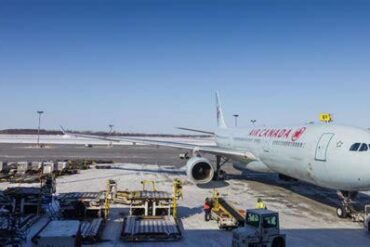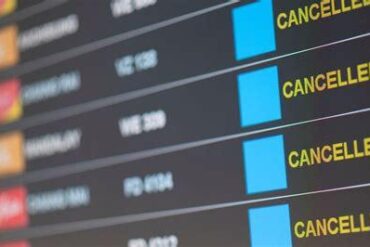
San Diego International Airport (SAN), one of the busiest aviation hubs in California, descended into chaos and confusion as an unexpected power outage, compounded by adverse weather conditions, severely disrupted air and ground operations. As of the latest reports, over 220 flight delays and nearly 50 cancellations have upended travel plans for thousands. The outage, allegedly knocking out runway path indicator lights, has drawn scrutiny to infrastructure resilience at one of the United States’ most congested single-runway airports.
Unprecedented Disruption: A Perfect Storm of Outages and Weather Hazards
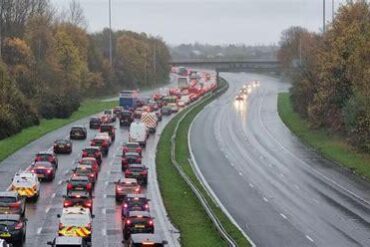
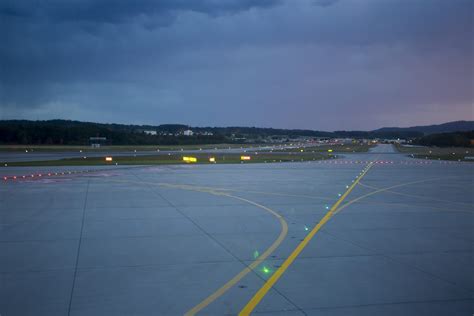
The unfolding situation at SAN began with surface flooding on critical access roads due to persistent rainfall. Just as airport staff scrambled to contain vehicular delays, an unconfirmed power failure reportedly darkened essential runway systems, rendering Runway 9 temporarily inoperable. This forced all incoming and outgoing traffic to be rerouted to Runway 27, severely limiting airspace availability.
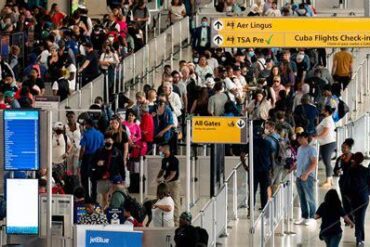
A surge of reports from social media platforms painted a grim picture for travelers. Passengers posted real-time updates, showing crowds waiting in terminals, queues for security stretching beyond expected timelines, and flights circling above the city only to be redirected elsewhere. Flightradar24 data revealed multiple aircraft diverting to neighboring airports, notably Los Angeles International (LAX), Ontario International (ONT), and even as far as Phoenix Sky Harbor (PHX).
Power Outage Impacts Critical Runway Equipment
While official confirmation from the airport authority remains pending, mounting evidence from air traffic control systems and pilot reports corroborates the theory of a runway lighting failure. Specifically, the Visual Approach Slope Indicator (VASI) and Precision Approach Path Indicator (PAPI) lights—essential for safe landings in low visibility—were reportedly disabled. As San Diego was simultaneously engulfed by dense fog, aircraft were unable to make visual approaches, necessitating the diversion of dozens of incoming flights.
The Federal Aviation Administration (FAA) issued an ATCSCC Advisory emphasizing operational constraints:
“ZLA USERS CAN EXPECT TBFM / CALL-FOR-RELEASE SCHEDULING DELAYS TO SAN DIEGO AIRPORT OF 30 TO 45 MINUTES FROM DEPARTURE AIRPORTS WITHIN THE FIRST TIER FACILITIES.”
These FAA guidelines forced airlines to halt or reschedule numerous departures, significantly burdening connecting airports.
Southwest Airlines Hit Hardest
According to operational data from SAN, Southwest Airlines accounts for roughly one-third of all departures and arrivals at the airport. The airline has faced the brunt of the disruption, with passengers on Reddit and X (formerly Twitter) claiming that most Southwest flights were either delayed or canceled outright for the rest of the day.
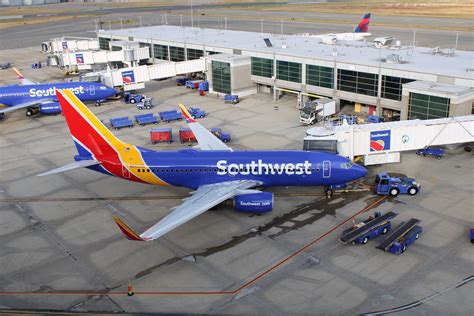
Though inquiries were made to Southwest for official comment, no response had been received at the time of reporting. Passengers affected by cancellations were reportedly encouraged to seek rebooking, with some opting to rent cars for regional travel to Los Angeles or Las Vegas instead.
Inside the Airport: Growing Frustration and Uncertainty
Scenes inside the terminal were described as tense but orderly, with security lines clocking in at around 15 minutes for TSA PreCheck and up to 25 minutes for standard screening. Despite the extensive delays, there were no reports of panic or disorder. However, the lack of clear communication from airport authorities and airlines alike has left many travelers in limbo.
Parents with young children, elderly passengers, and those with tight connection windows have expressed frustration, noting that real-time updates were sporadic and gate announcements inconsistent. The lack of clarity surrounding the duration of the outage compounded the anxiety.
Unique Challenges at America’s Busiest Single-Runway Airport
San Diego International Airport, located just 2.6 miles from downtown San Diego, holds the distinction of being the busiest single-runway airport in the United States. Operating on a compact footprint of 663 acres, SAN handles a complex volume of air traffic with a level of precision typically reserved for far larger multi-runway facilities.
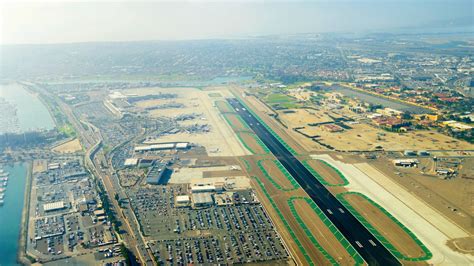
Its singular runway, flanked by dense urban development, poses unique approach and departure constraints. Pilots must execute steep descents over the Bankers Hill neighborhood, requiring high proficiency, especially during weather disturbances or equipment malfunctions. This geography, combined with limited emergency rerouting options, makes any operational hiccup immediately impactful.
Weather Woes Amplify Infrastructure Vulnerabilities
Adding to the infrastructural strain, a heavy marine layer and seasonal fog blanketed the airport throughout the day. These natural conditions alone are known to reduce runway capacity. With lighting systems down, instrument landing capabilities were heavily restricted, reducing the airport’s ability to process incoming aircraft safely.
San Diego’s weather is generally mild year-round, meaning the airport rarely deals with major weather-related delays. However, the convergence of fog, flooding, and a power failure all at once proved to be an unprecedented stress test for its emergency response and contingency systems.
Air Traffic Control and Coordination Struggles
The Southern California TRACON (Terminal Radar Approach Control), which manages airspace for SAN, LAX, and several other regional airports, was forced to rapidly reroute dozens of flights. This air traffic bottleneck not only increased fuel consumption and crew fatigue for delayed aircraft, but also began to back up inbound slots at airports hundreds of miles away.
Additionally, reports suggested that airlines were struggling to find available gates and ground crews at the alternate landing sites, leading to aircraft being held on taxiways for extended periods.
Economic and Operational Fallout
The cost implications of this disruption are significant. Airports, airlines, and passengers alike bear the brunt:
- Airlines face mounting operational costs from diversions, crew rescheduling, and compensations.
- Passengers must deal with missed connections, lost productivity, and unexpected travel expenses.
- The airport authority may face scrutiny regarding redundancy systems, backup lighting protocols, and disaster planning.
In the broader context, this event has reignited conversations around critical infrastructure reliability, particularly in high-density airports operating near maximum capacity.
The Bigger Picture: Lessons and Policy Questions
As aviation continues to rebound post-pandemic, airports like SAN are seeing increased traffic without corresponding infrastructure upgrades. This raises essential policy and funding questions:
- Are critical systems like runway lighting and navigational aids backed by robust emergency power solutions?
- How are airport authorities communicating contingencies during outages to minimize passenger distress?
- Should federal funding be increased for infrastructure improvements at high-risk bottleneck airports?
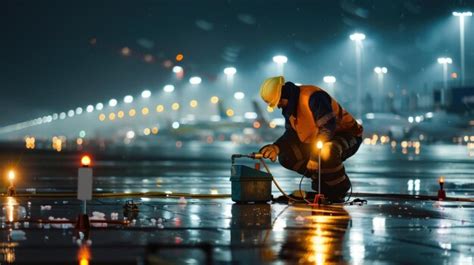
The FAA and local authorities may be compelled to investigate whether preventable failures occurred and how response protocols could be improved moving forward.
What Travelers Should Do Next
For those with upcoming travel plans through SAN:
- Check with your airline frequently for status updates.
- Use flight tracking apps like Flightradar24 or FlightAware for real-time reroute and gate change information.
- Arrive earlier than usual to accommodate longer check-in and security lines.
- Consider travel insurance options that cover delays and weather-related disruptions.
The airport has not yet confirmed when full functionality will return but urged travelers to monitor its website and social media feeds for real-time alerts.
Conclusion: Wake-Up Call for Modern Aviation Hubs
This incident, while temporary, underscores the fragility of critical airport infrastructure when multiple stressors converge. For San Diego International Airport, which already manages a delicate balance of urban constraints, high demand, and limited runway space, this may well become the catalyst for policy reforms, infrastructure investment, and a renewed emphasis on passenger communication systems.
Travelers, meanwhile, are left navigating a turbulent experience that highlights how, in the modern world, even a brief power flicker can throw an entire airspace into disarray.