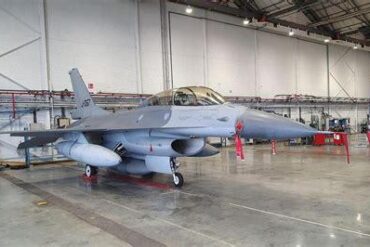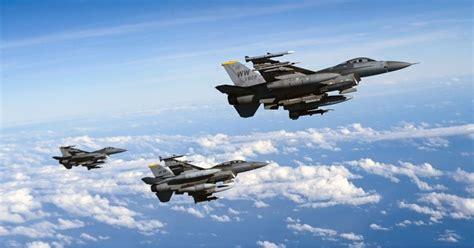
The sale of 18 F-16 Fighting Falcons from the Netherlands to Romania for the astonishingly symbolic price of 1 Euro has turned heads across defense circles and international newsrooms alike. On paper, the price tag reads like a clerical error. Yet, beneath the surface, this seemingly charitable deal reveals a highly calculated and strategically orchestrated transfer of military assets within NATO, wrapped in the cloth of multinational cooperation, military modernization, and geopolitical calculus.
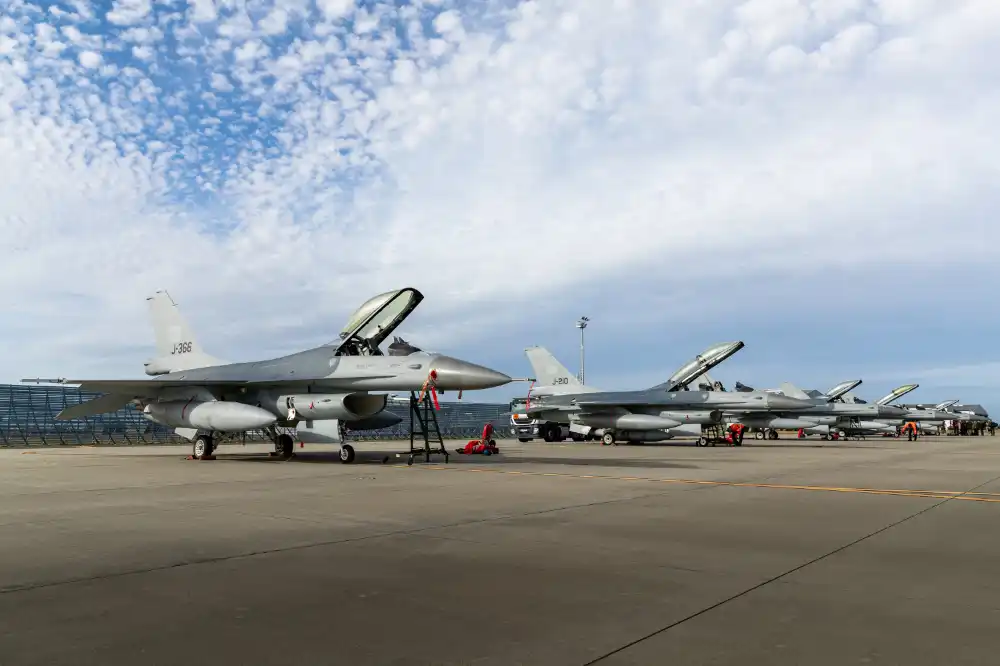
The formal agreement was inked on November 3rd, 2025, at the Romanian Ministry of National Defence headquarters. While the aircraft have been in Romania since November 2023, serving at the European F-16 Training Center (EFTC), the official transfer cements a broader vision: strengthening the Eastern NATO flank, enhancing pilot training capacity, and revitalizing aging platforms for continued utility.
Why Sell for 1 Euro? Understanding the True Cost
It’s essential to note that the “1 Euro” price tag is symbolic. These are not bargain-bin jets handed over without strings or responsibilities. Romania is assuming significant financial and operational burdens associated with the aircraft. Alongside the jets, a VAT of €21 million (~$24 million) is levied, covering logistics, maintenance, and operational support — making the transaction far from free in practice.
To draw a stark comparison, Romania’s previous acquisition of 32 second-hand F-16s from Norway cost approximately €388 million. That deal included aircraft refurbishments, parts, training, and weapon systems — indicating the hidden layers of cost not captured by the nominal sale price in this Dutch deal.
The F-16 Training Center: Europe’s Fighter Pilot Forge
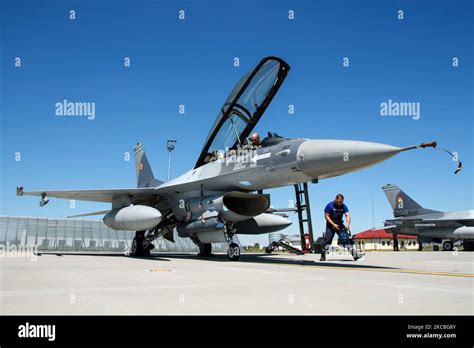
More than just a transaction, the transfer symbolizes the continuation and expansion of the EFTC, which has grown into a critical NATO hub for pilot training. Romania provides the 86th Air Base at Borcea, infrastructure, and host nation support. The Netherlands contributes aircraft, and Lockheed Martin offers instructors and logistical expertise.
As of August 2024, the EFTC began training Ukrainian pilots, many of whom transitioned from Soviet-era MiG aircraft. These pilots are now gaining vital flight hours and experience on NATO-standard aircraft as part of Ukraine’s modern air capability buildup in response to Russian aggression.
The EFTC provides more than pilot training. It serves as a tactical interoperability platform, enabling air forces from across NATO to train together to standardized procedures, develop joint mission profiles, and improve combat readiness.
NATO’s Tactical Shift: Legacy Fighters, New Purpose
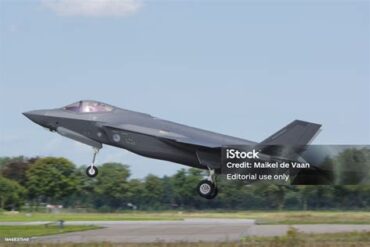
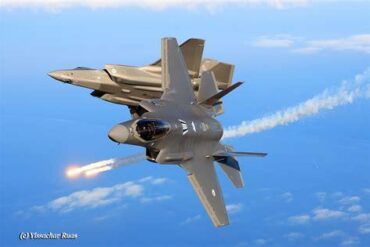
The Netherlands’ decision to part ways with its fleet of aging F-16s comes as it upgrades to the F-35A Lightning II, a fifth-generation stealth fighter. This is part of a broader trend across Europe. Nations like Norway, Denmark, and Belgium are also retiring their F-16s, funneling them either to partners like Romania or donating them to Ukraine’s defense effort.
Yet, the F-16 is far from obsolete. The AM/BM variants still in use by Romania are versatile multirole fighters that remain potent in air policing and defensive combat roles, particularly on NATO’s vulnerable Eastern edge and over the Black Sea.
The F-16’s utility is amplified by its combat-proven record, adaptability for modern weapon systems, and relatively lower maintenance compared to newer jets. As such, even as European countries pivot toward stealth aircraft, the Viper remains a vital tool in securing NATO’s skies.
Romanian Air Force: A Growing Fleet with Strategic Depth
With the addition of the 18 Dutch aircraft, Romania now fields 67 F-16s, including those previously acquired from Portugal and Norway. This consolidated fleet enables Romania to not only defend its own airspace but also contribute actively to NATO’s collective air policing missions, particularly important given increased Russian aerial incursions in the Black Sea region.
Moreover, this increased capability provides Romania with a strategic buffer period as it gradually prepares for the eventual transition to F-35 stealth fighters by the 2030s.
Historical Parallels: Not the First “1 Euro” Fighter Deal
The Netherlands’ symbolic sale is not unprecedented. In the early 2000s, Germany transferred 22 Soviet-built MiG-29s to Poland for 1 Euro each. These aircraft had been inherited by Germany following reunification and were deemed surplus to requirements.
The rationale was similar: foster regional defense capabilities within NATO, clear aging inventory, and reinforce Eastern European allies at minimal cost. The Dutch F-16 transfer echoes this approach, with the added dimension of real-time conflict support, given the ongoing war in Ukraine.
A Flashback to Valor: The Dutch F-16’s Finest Hour
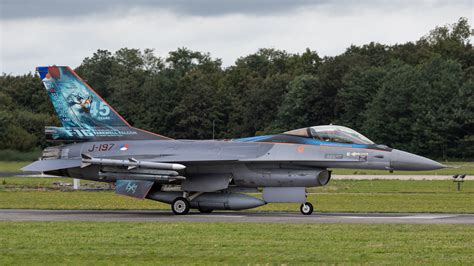
Among the aircraft transferred are combat-tested F-16 AMs, including models that have seen action in Europe’s turbulent recent history. One of the most celebrated moments came during Operation Allied Force in 1999, when NATO launched air strikes to halt Serbian atrocities in Kosovo.
During the operation, four Dutch F-16AMs became the first NATO jets to enter Serbian airspace. Within minutes, one of them scored a direct hit on a Serbian MiG-29, marking the Royal Netherlands Air Force’s first aerial victory since World War II.
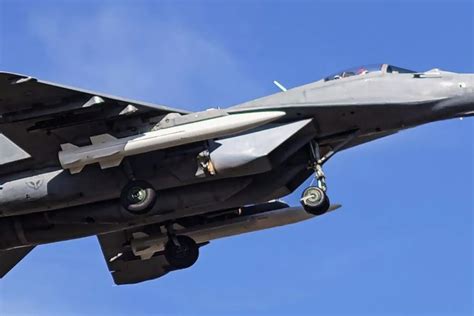
This historic event not only demonstrated the capability of the F-16 in combat, but also cemented the Dutch Air Force’s role in NATO’s modern expeditionary missions.
EFCT’s Uncertain Yet Vital Future
While the EFTC is hailed as a model of multinational cooperation, its long-term future remains ambiguous. As more nations phase out the F-16 in favor of fifth-generation aircraft, sustaining a training center for legacy fighters could become a challenge.
However, current geopolitical conditions argue strongly for its continuation. With 87 F-16s pledged to Ukraine by a consortium of European nations, and training needs continuing for years into the 2030s, the EFCT stands as an indispensable hub.
Romania’s Ministry of Defence has reiterated its commitment to the center’s ongoing operation, emphasizing the limited availability of high-quality fighter training worldwide.
Strategic Win for All Parties
Ultimately, this transaction serves multiple objectives simultaneously:
- The Netherlands clears out aging jets, creating space for F-35 integration.
- Romania boosts its air force at minimal upfront cost and increases its relevance within NATO.
- Ukrainian pilots gain access to advanced training on western jets, critical for resisting Russian air dominance.
- The EFTC evolves into a keystone institution of European defense integration.
The “1 Euro” price tag is less a discount and more a symbol of strategic alignment and shared security goals. In an era where hybrid threats and great power competition reshape the continent’s defense posture, such symbolic acts carry immense operational and diplomatic weight.
Conclusion: Not Just a Bargain, But a Blueprint
This headline-grabbing sale is not merely a curious military anecdote — it is a blueprint for NATO’s future logistics and training cooperation. As fifth-generation systems grow in complexity and cost, older platforms like the F-16 will continue to play vital secondary roles in training, air policing, and regional defense.
The Dutch F-16s, though aged, now enjoy a second life in Romanian skies, training tomorrow’s NATO pilots and aiding a war-torn ally in need. The story of these jets is no longer just about firepower — it’s about resilience, cooperation, and strategic clarity in a time of global turbulence.