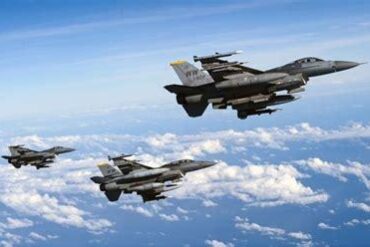
Romania has significantly bolstered its air defense capabilities with the official transfer of 18 F-16 fighter jets from the Netherlands for a symbolic price of one euro, marking a strategic milestone for both Romania and NATO’s eastern flank security.
The announcement was made by Romania’s Defense Minister Ionuț Moșteanu on June 25, 2025, during the NATO Summit held in The Hague, underscoring the alliance’s unity and commitment to strengthening collective defense in a volatile geopolitical landscape.
This deal, while symbolically priced, represents a major reinforcement of Romania’s air power at a crucial time when NATO faces increasing security challenges in Eastern Europe, particularly due to ongoing tensions stemming from the conflict in Ukraine and Russia’s continued military posturing.
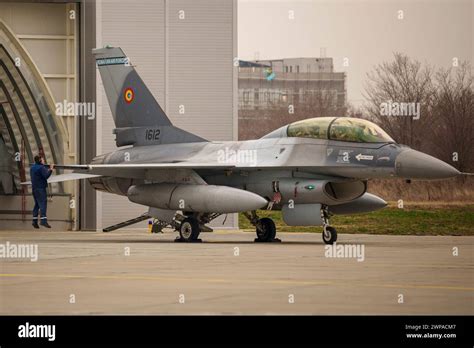
The European F-16 Training Fighter Center: A Regional Pillar of Air Combat Preparedness
The 18 F-16 jets were not physically relocated as part of this deal. Since November 2023, they have been stationed at the European F-16 Training Fighter Center (EFTC) located in Fetești, Romania, a facility rapidly becoming one of Europe’s most critical hubs for advanced fighter pilot training.
The EFTC is the product of a joint European defense initiative, providing specialized training for pilots from multiple NATO member states. Notably, it has played a key role in the accelerated preparation of Ukrainian fighter pilots, who are expected to transition to flying F-16 platforms as part of Ukraine’s broader air defense modernization effort.
Romania’s decision to formally integrate these aircraft into its national inventory reflects both practical necessity and strategic foresight. With the jets already based in Romania, the logistical burden is minimized, while the ownership transfer solidifies Romania’s status as a key regional contributor to NATO air operations.
Strengthening the Romanian Air Force: An Expanding Fleet of F-16s
With the formal acquisition of these 18 jets, Romania’s F-16 fleet has now expanded to 67 aircraft, cementing the nation as a formidable air power within southeastern Europe.
Romania’s journey with the F-16 began with the purchase of 17 second-hand F-16s from Portugal, followed by a subsequent agreement with the Netherlands for 32 more F-16s, of which 14 are still pending delivery. The integration of these newly acquired jets brings Romania closer to completing its ambitious air force modernization program, aimed at phasing out legacy MiG-21 LanceR fighters, which have served Romania for decades but are now considered outdated by NATO standards.
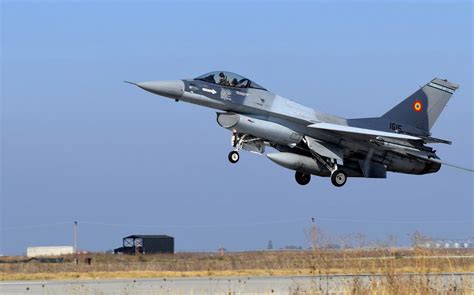
The Romanian Ministry of National Defence has made clear that expanding its F-16 fleet serves multiple objectives: enhancing national airspace protection, contributing to NATO’s collective deterrence, and ensuring Romania plays an active role in regional security frameworks.
The Netherlands’ F-16 Legacy and Strategic Donations
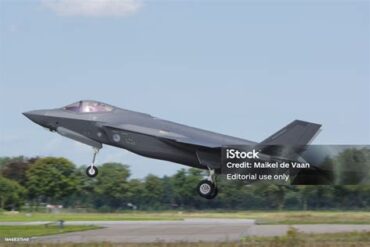
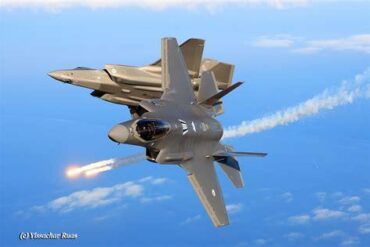
The donation of these 18 jets is part of a broader shift within European air forces as they transition from fourth-generation F-16 platforms to cutting-edge fifth-generation F-35A Lightning II fighters.
The Royal Netherlands Air Force (RNLAF) operated a total of 213 F-16s, acquired between 1979 and 1992, across various configurations. The Netherlands officially retired its F-16 fleet in 2024, completing a phased modernization process centered on adopting F-35 stealth fighters.
In parallel, the Netherlands has emerged as a leading supporter of Ukraine’s air defense efforts, providing 24 F-16s to Ukraine, alongside Belgium, Denmark, and Norway, all of whom have committed to transferring surplus F-16s contingent upon the delivery of their ordered F-35 aircraft.
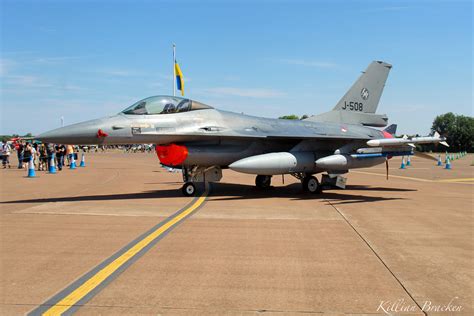
The Dutch government’s decision to transfer F-16s to both Romania and Ukraine reflects an intentional alignment of European defense priorities, reinforcing NATO’s eastern frontier while simultaneously supporting Ukraine’s defense capacity in the face of Russian aggression.
Fetești: Romania’s Growing Role as a NATO Air Hub
The Fetești Air Base, now housing the EFTC, has undergone significant infrastructure enhancements to accommodate advanced fighter operations. The base serves not only as a national defense installation but as a multinational training and operational center, symbolizing Romania’s integration into NATO’s advanced air combat ecosystem.
The EFTC has been instrumental in coordinating and standardizing F-16 pilot training across NATO, providing a unified framework for tactical development, mission rehearsal, and real-world combat readiness. The center’s involvement in training Ukrainian pilots further elevates its strategic importance, as Ukraine prepares to field Western fighter jets for the first time.
Romania’s expanding fleet, supported by the EFTC, enhances interoperability among NATO air forces, particularly in complex, high-threat environments such as the Black Sea region, where Russian military activities have raised alarm within the alliance.
The Strategic Symbolism of a One Euro Deal
The nominal price of one euro attached to the transfer of these jets is laden with symbolism. While legally satisfying the requirements of a contractual transfer, the price tag underscores the Netherlands’ commitment to bolstering allied defense without imposing financial burdens on Romania.
This approach follows established practices within NATO, where surplus military hardware is often redistributed among member states to enhance collective capabilities, particularly for nations on the alliance’s eastern borders.
The donation also reflects a strategic calculus: strengthening Romania’s air defense directly contributes to NATO’s deterrence posture, complicates potential adversary calculations, and reinforces the alliance’s readiness to respond to evolving security threats.
Looking Ahead: Romania’s Next Steps in Air Defense Modernization
While the acquisition of these 18 F-16s marks significant progress, Romanian defense officials acknowledge that sustained investment is necessary to fully modernize the country’s air force and air defense systems.
Plans are already underway to prepare for the eventual introduction of fifth-generation fighters, with Romania expressing interest in acquiring F-35s in alignment with broader NATO modernization trends. However, integrating the current F-16 fleet remains the immediate priority, ensuring that Romania possesses a credible, combat-ready air force capable of defending national airspace and contributing to alliance missions.
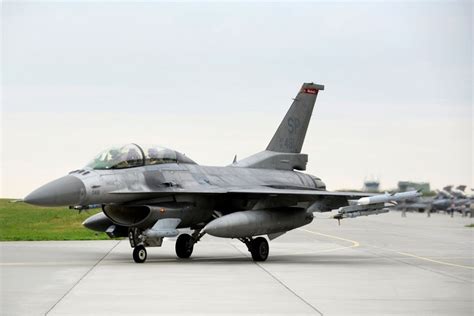
Romania’s role as both a frontline NATO member and a host nation for critical training infrastructure places it at the center of European security dynamics. The transfer of these jets solidifies Romania’s operational capabilities, bolsters regional stability, and reinforces NATO’s ability to project air power where needed.
In the broader context of European defense cooperation, Romania’s acquisition of the Dutch F-16s for the symbolic price of one euro exemplifies how alliances adapt and strengthen through pragmatic, strategic partnerships.