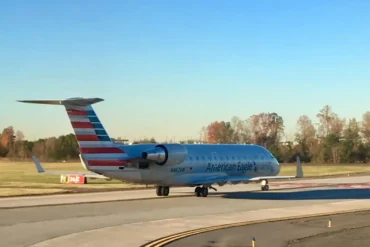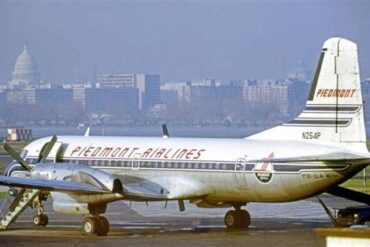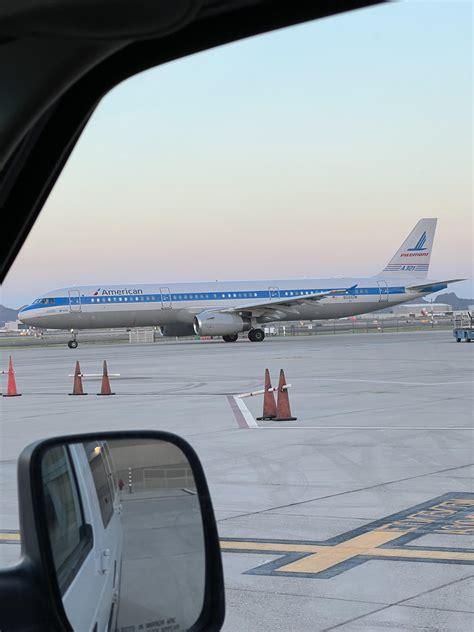
For travelers familiar with American Airlines’ regional operations, the mere mention of Piedmont Airlines triggers frustration. Despite operating under the American Eagle banner, Piedmont’s aging fleet, notably the ERJ-145, remains a symbol of subpar service and outdated aviation strategy. Passengers flying these aircraft describe not just inconvenience but outright discomfort, making a strong case for American Airlines to finally sunset the Piedmont brand.
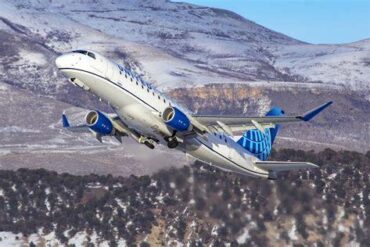
Flying on a Piedmont ERJ-145 today feels like stepping back decades in aviation history. Unlike the more modern CRJ 700/900 series, these aircraft lack even the most basic passenger comforts. No First Class cabins, no Main Cabin Extra (MCE) seats, no Wi-Fi, and a cabin that consistently presents as dirty and outdated regardless of cleaning attempts. The aircraft itself sounds unstable, with rattling vibrations during takeoff and landing—hardly reassuring to passengers. Equally troubling is the lack of basic service: flights offer nothing beyond non-alcoholic drinks, not even token snacks like pretzels or the airline’s famously disappointing tiny wine bottles.
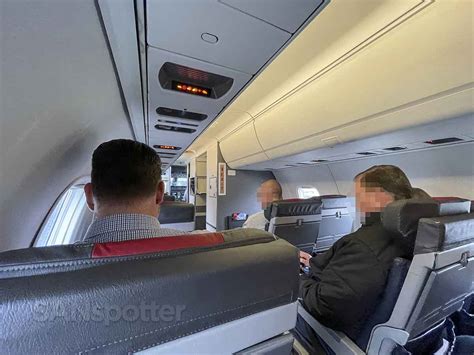
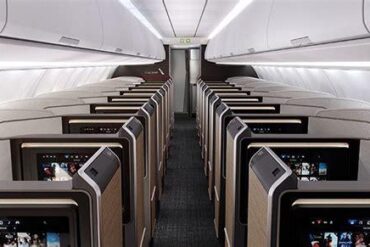
While some nostalgic voices point to the days of Dash 8-100s as worse, that’s hardly a metric for modern standards. The Dash 8 was phased out for a reason. Comparing today’s ERJ-145 experience to even CRJ 700s and 900s, the gap is glaring. CRJs, for all their imperfections, offer First Class, MCE, Wi-Fi, and interiors that at least pretend to belong in the 21st century. The sentiment from frequent flyers is clear: the ERJ-145 isn’t just outdated—it’s actively dragging down American Airlines’ brand reputation.
The False Economy of Keeping Piedmont Alive
So why does American Airlines continue supporting Piedmont and its 50-seat jets? The answer is complex, buried in pilot union contracts, fleet optimization debates, and the economic reality of servicing low-demand regional routes. Aircraft under 50 seats play a critical role in connecting smaller cities where demand doesn’t justify larger aircraft. If American removes these jets without a replacement strategy, those communities risk losing air service entirely.
Additionally, many pilot contracts tie pay scales to aircraft size. Retiring all sub-50-seat aircraft could trigger new pay bands and significant cost increases. From a corporate cost-control perspective, maintaining Piedmont’s status quo appears to make financial sense—on paper.
But that’s a dangerous illusion. Every flight on a Piedmont ERJ-145 damages American Airlines’ premium-focused branding, sending the message that the carrier is willing to sacrifice basic quality for narrow short-term savings. As airlines like Delta and United increasingly standardize their regional offerings to match mainline quality, American’s insistence on operating these subpar aircraft feels like a step backward.
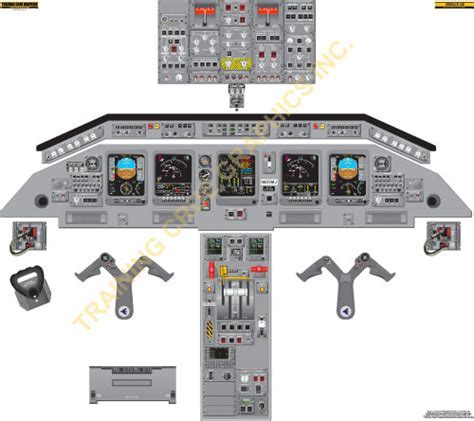
Passenger Experience: The Unspoken Crisis
The airline industry often measures success by load factors and profit margins, but this ignores the passenger experience—a metric that directly influences brand loyalty. On Piedmont flights, the experience is anything but pleasant. Small, cramped cabins offer barely any legroom. With no in-flight entertainment, even via Wi-Fi, passengers sit idle in what feels like a metallic tube from the early 90s. Even small joys like a complimentary snack or a reclining seat are missing. The cumulative effect? Passengers actively avoid booking routes serviced by ERJ-145s, eroding American’s customer base in smaller markets.
Frequent flyers, including AAdvantage Executive Platinum members, openly vent their frustrations online. They view being forced onto a Piedmont-operated flight as a punishment rather than a service. With JetBlue, Delta, and even ultra-low-cost carriers offering better regional experiences, American’s insistence on clinging to this relic fleet increasingly seems out of touch.

Operational Inefficiency Beyond Just Passenger Discomfort
Beyond the miserable passenger experience, Piedmont’s operations are inefficient. Flights are regularly delayed, not necessarily because of weather or traffic, but because of the aircraft themselves. Their lack of bin space means ground crews must hand-carry gate-checked bags to and from the aircraft—adding significant time at both departure and arrival. Flyers report waiting in freezing temperatures on jet bridges, staring at the ground crew unloading carry-ons that should fit inside modern overhead bins.
Further compounding the issue is that these aircraft lack the onboard amenities—like Wi-Fi and power outlets—that have become standard even on short-haul flights. This limits American’s ability to monetize in-flight services or support modern operational logistics, like real-time updates and cabin crew support systems. In effect, every Piedmont flight is both a financial dead zone and a branding liability.
Fleet Strategy: The Missed Opportunity
American Airlines had plans to retire the ERJ-145 fleet before the pandemic, but those plans stalled. Economic recovery efforts prioritized cutting expenses, and with fuel prices fluctuating, smaller jets seemed temporarily viable. Yet this overlooks the potential long-term benefits of upgauging and modernizing.
Delta’s strategy to unify its regional fleet around CRJ-700/900s and Embraer E175s has allowed it to provide a more consistent brand experience across all flights. American’s hesitation to follow suit is puzzling. A mixed fleet of aging ERJ-145s and CRJs creates inconsistency that customers notice—and resent.
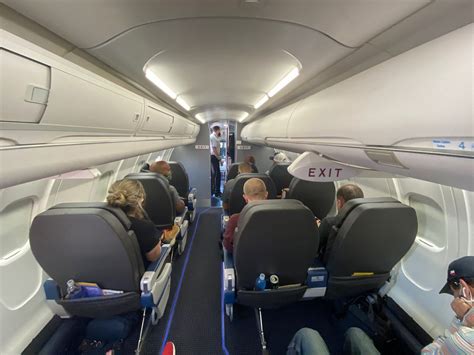
Modern regional aircraft like the Embraer E175 can service many of the same routes without the drastic compromises inherent in the ERJ-145. While larger, these aircraft are fuel-efficient and capable of providing a mainline-quality experience even on shorter flights. Investing in these replacements would help American not just salvage its regional network but elevate it.
The Inevitable Future: Why American Must Act
Maintaining the Piedmont brand as it stands today is untenable. Flyers’ tolerance for substandard service is wearing thin. Travel forums, social media, and even casual conversations among frequent flyers increasingly cite Piedmont flights as the low point of American’s network. Competitors like Delta and United are using this weakness to lure away customers—not just for regional flights but across the network.
At this point, American Airlines faces a critical choice:
- Continue propping up Piedmont and its ERJ-145 fleet, hemorrhaging customer goodwill and long-term brand equity.
- Or accelerate a strategic shift, retiring outdated aircraft and modernizing its regional service to match industry expectations.
The solution isn’t simple, but it’s necessary. Contract negotiations, fleet acquisitions, and route restructuring require upfront investment. Yet the alternative—sacrificing American’s reputation for the sake of short-term cost avoidance—could prove far more expensive in lost market share.
Conclusion: Time to Retire the Piedmont Brand
In the end, Piedmont Airlines, as an operational brand, no longer fits within American Airlines’ broader strategy of positioning itself as a premium carrier. It stands as a relic, not just of aviation history, but of outdated corporate thinking. The ERJ-145 is not a competitive regional jet. Piedmont’s brand, service quality, and operational inefficiency reflect poorly on American Airlines every single day they remain in service.
For the health of its network, its brand, and its passengers, the Piedmont brand has got to go.