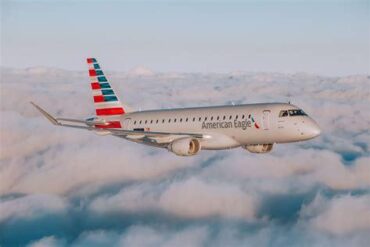
The American Eagle brand is omnipresent across the skies of North America, with over 3,000 daily flights forming the connective tissue of American Airlines’ regional network. Yet, for many travelers, the experience can be confusing. Your ticket might read American Eagle, but the actual operator is something less familiar—PSA Airlines, Envoy Air, or Piedmont Airlines. Understanding the mechanics behind these entities offers insight into how American Airlines efficiently feeds its hub-and-spoke model.
These three carriers—PSA, Envoy, and Piedmont—are wholly owned subsidiaries of American Airlines Group, unlike other contracted regional providers like SkyWest and Republic Airways. Each has a deep-rooted history, distinctive fleet, and defined operational footprint. Their shared purpose: execute regional flights with seamless integration into the American Airlines system.
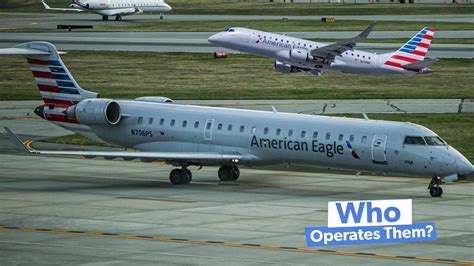
PSA Airlines: Jetstreams to CRJs, A Legacy of Reinvention
Headquartered in Dayton, Ohio, PSA Airlines traces its lineage to Vee Neal Airlines, established in 1979. Initially operating Cessna 402s, the company quickly adopted the BAe Jetstream 31, prompting a rebrand to Jetstream International Airlines (JIA). The carrier’s partnership with Piedmont Airlines began in 1986, marking the start of a long trajectory into major airline ownership.
The chain of acquisitions—Piedmont into USAir, then USAir into American—eventually led to JIA being renamed PSA Airlines in 1995. This move wasn’t just cosmetic: American Airlines aimed to protect the dormant but historic Pacific Southwest Airlines brand by keeping it active through JIA’s operations.
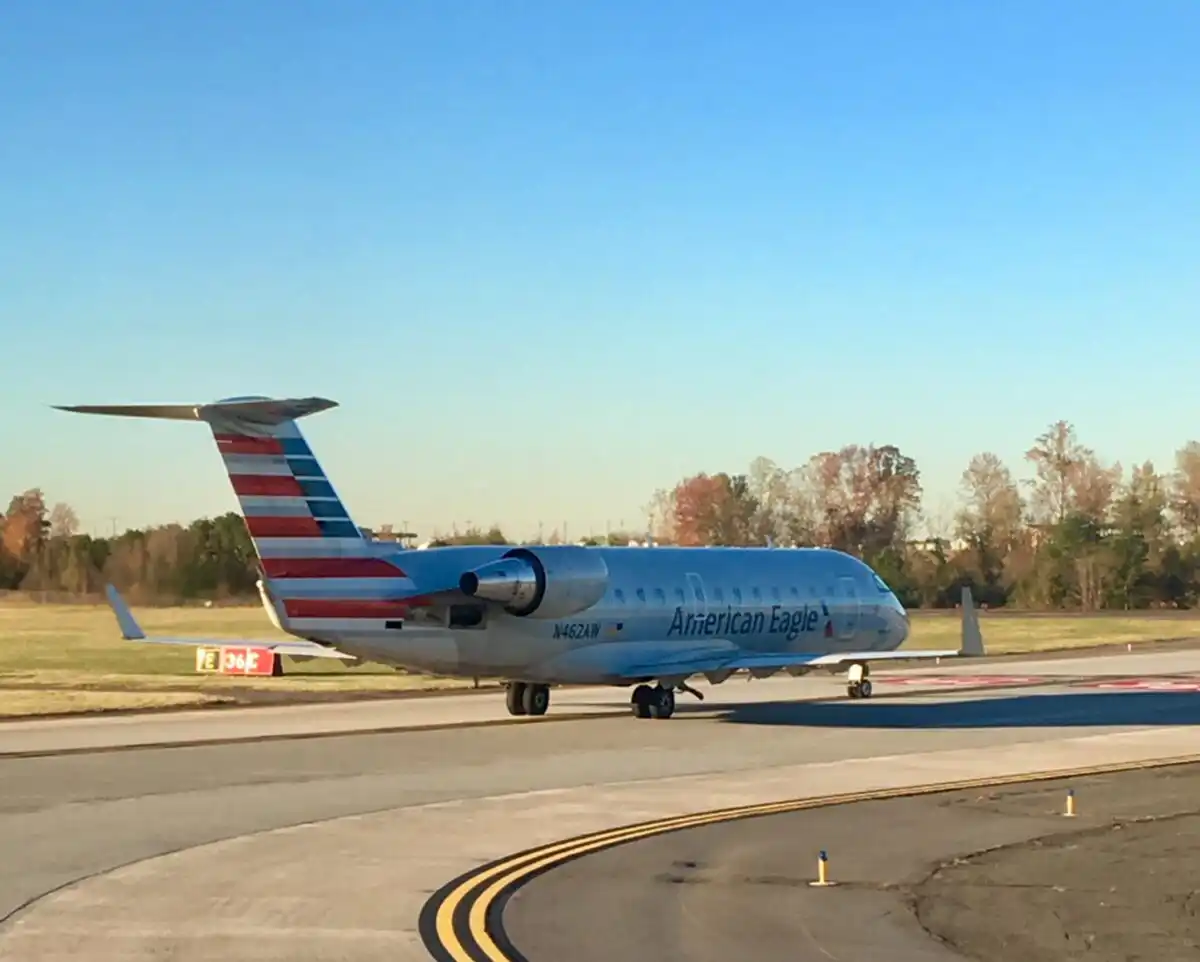
Today, PSA Airlines operates a fleet of 143 Bombardier CRJ aircraft, split between CRJ-700s and newer CRJ-900s, the latter averaging just 8.7 years in age. It is responsible for approximately 800 flights per day and services close to 100 destinations across the United States. With crew bases strategically located in Charlotte, Philadelphia, Reagan National, and Dallas-Fort Worth, PSA is a cornerstone in American’s regional outreach.
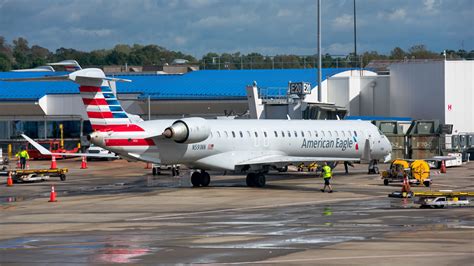
Piedmont Airlines: The Origins of Codesharing and Regional Aviation
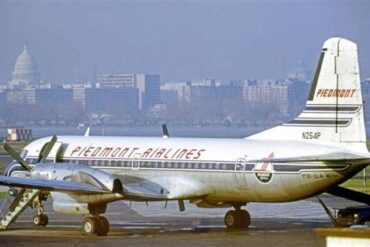
Founded in 1961 as Henson Aviation, Piedmont Airlines is a true pioneer in the realm of codesharing, having formed one of the earliest arrangements with Allegheny Airlines in 1967. After serving as a feeder to the original Piedmont Airlines post-deregulation, it was absorbed into the larger corporate web that culminated in USAir and later American.
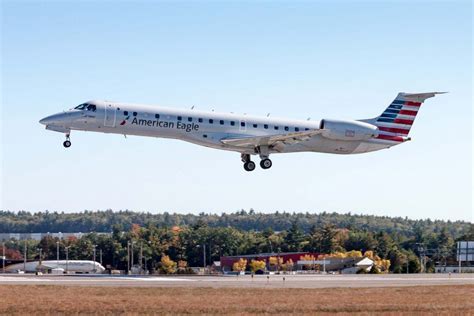
The Piedmont brand, briefly shelved, was revived in 1993 as a means of preserving intellectual property. Since then, the airline has specialized in operating Embraer ERJ-145s, a reliable if aging regional jet. The fleet officially numbers 93, but only 60 remain active, as 33 aircraft are parked at Marana Pinal Airpark, likely awaiting retirement.
Despite the older fleet—the youngest active aircraft is over 19 years old—Piedmont remains a vital link in American Eagle’s network, operating around 400 daily flights to over 55 destinations. Notably, it is the exclusive carrier at airports like Salisbury Regional, Watertown International, and Pitt-Greenville, further entrenching its niche.
Envoy Air: The Birthplace of the American Eagle Brand
Perhaps the most integral to American Eagle’s identity, Envoy Air originated as American Eagle Airlines in 1984. Following the Airline Deregulation Act, American Airlines began outsourcing regional operations, contracting a suite of small carriers to operate under a unified brand—American Eagle. These included names like Chaparral, Simmons, and Command Airways.
AMR Corp., American’s parent, eventually consolidated these operations, leaving only American Eagle Airlines and Executive Airlines by the late 1990s. Executive folded during AMR’s bankruptcy in 2011, and in 2014, American Eagle Airlines was renamed Envoy Air, removing confusion with the overarching brand and echoing the premium ‘Envoy Class’ once offered by US Airways.
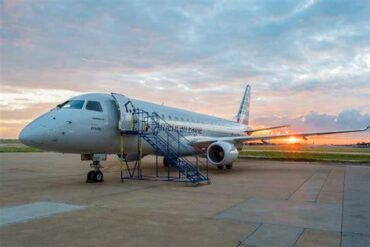
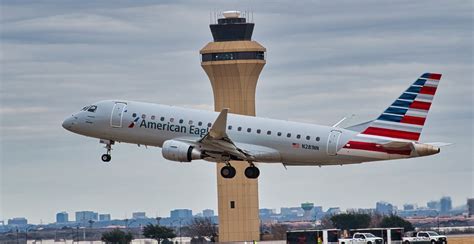
Envoy currently boasts a fleet of 167 Embraer jets—primarily ERJ-170 and ERJ-175 models. The airline operates from its main base at Dallas-Fort Worth International Airport (DFW) and maintains extensive regional connections across the country. With sleek, modern jets and superior onboard experiences relative to older regional aircraft, Envoy Air continues to anchor American Eagle’s reputation for operational quality.
Contractor Carriers: Expanding the Reach
Though PSA, Piedmont, and Envoy are wholly owned, American Airlines also relies heavily on contractor airlines to expand its regional network. These third-party partners operate under Capacity Purchase Agreements (CPAs), where American controls the schedule and ticket pricing, while the contractor manages staffing, maintenance, and operations.
SkyWest Airlines: A Titan Among Regionals
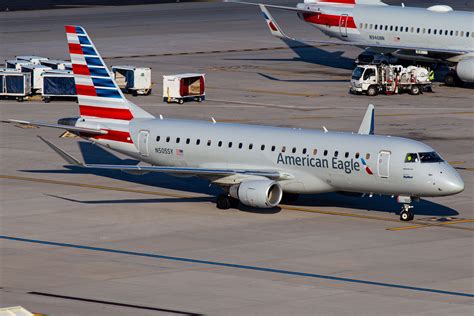
SkyWest Airlines, based in St. George, Utah, is the largest regional airline in the U.S., with a fleet exceeding 500 aircraft. While it flies for Alaska, Delta, United, and American, around 106 aircraft are dedicated to American Eagle service, including CRJ-700s and Embraer E175s.
SkyWest joined the American Eagle portfolio in 2012, initially with CRJ-200s, and has since expanded its presence significantly. It currently flies over 1,800 daily flights, with about 20% attributed to American Eagle routes. The scale and complexity of its operations rival some national carriers in passenger volume, moving 38.6 million people in 2023 alone.
Republic Airways: A Flexible Workhorse
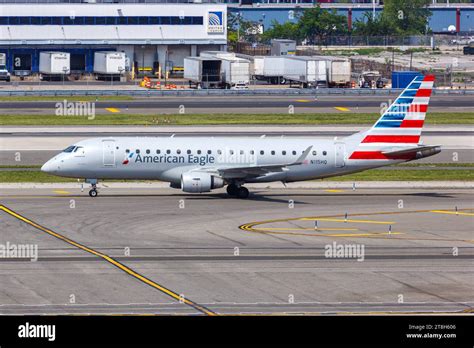
Republic Airways, headquartered in Indianapolis, emerged from a complex web of corporate maneuvering involving Chautauqua Airlines, Shuttle America, and the strategic use of dormant brand names. Activated in 2005, Republic eventually merged its holdings into a single certificate operation and today fields a fleet of 208 Embraer jets, most of them split between American, United, and Delta contracts.
For American Eagle, Republic operates around 75 aircraft, primarily E175s, supporting over 900 daily flights systemwide. Its strategic ability to switch aircraft between mainline partners makes it an agile and vital part of American’s regional flexibility.
Air Wisconsin: A Fading Relationship
Founded in 1965, Air Wisconsin has had a long history with various major carriers. Most recently, it operated CRJ-200s for American Eagle, but in 2025, it announced the end of this agreement, effective April 2025. Air Wisconsin intends to pivot toward independent charter services and Essential Air Service contracts, marking a turning point in its operational trajectory.
Currently, it retains 62 aircraft, though 25 are parked at Roswell International Air Center and are not expected to return to service. Its footprint under American Eagle remains small, primarily centered around Chicago O’Hare, Dayton, and Milwaukee.
Conclusion: A Complex Yet Cohesive Ecosystem
The American Eagle brand is more than a logo on a boarding pass. It represents a diverse, intricately managed network of both owned and contracted regional airlines that support American Airlines’ hub dominance. Each player—whether legacy-driven like Piedmont, efficiency-focused like PSA, or branding-strategic like Envoy—serves a distinct role in a high-stakes logistical ballet.
As air travel continues to evolve, particularly in post-pandemic recovery and shifting passenger patterns, the adaptability and cohesion of the American Eagle framework will remain a vital component of American Airlines’ competitiveness in the domestic market. From small regional airports to major hubs, the synergy of these carriers ensures millions of passengers reach their final destinations each year.