When flying American Airlines, not every flight is operated by a mainline jet. One of its key regional subsidiaries, PSA Airlines, plays a vital role in connecting travelers from smaller cities to major American Airlines hubs. PSA is part of the American Eagle network, which also includes other regional operators like Envoy, Piedmont, and SkyWest. For travelers unfamiliar with PSA, it’s easy to dismiss regional carriers as “lesser” alternatives, but the reality is far more nuanced.
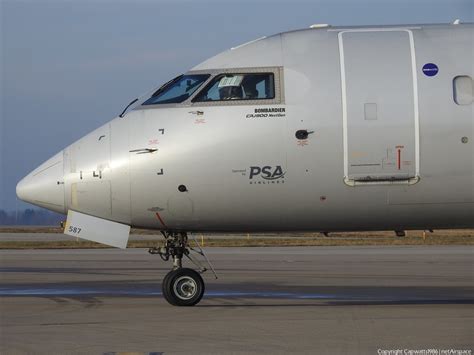
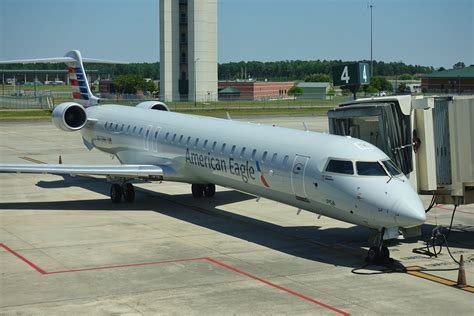
PSA Airlines operates primarily with Bombardier CRJ-series aircraft, specifically the CRJ700 and CRJ900. These planes serve short-haul routes across the eastern United States, especially out of hubs like Charlotte Douglas International Airport (CLT), Washington National (DCA), and Philadelphia (PHL).
PSA’s relationship with American Airlines is deep and strategic. The regional carrier functions under the American Eagle brand, and while you book your ticket through American, your flight could very well be operated by PSA. This article provides a deep dive into the passenger experience, aircraft details, and pros and cons of flying PSA.
What to Expect When Flying PSA Airlines Through American
The in-flight experience on PSA isn’t dramatically different from other regional carriers, but there are specific traits you should be aware of. Most notably, these flights are on regional jets, which means you’ll face certain limitations compared to mainline jets like the Boeing 737 or Airbus A321.
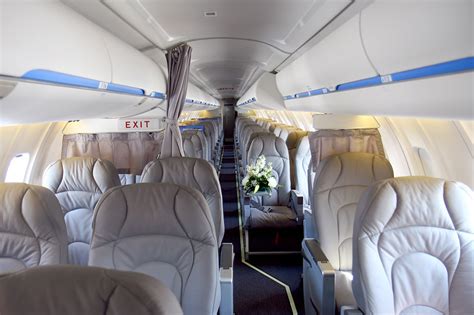
The CRJ aircraft used by PSA are smaller, usually seating between 65 to 90 passengers. The cabin layout is often a 2-2 configuration, which many travelers find preferable to narrow-body jets with 3-3 seating. However, overhead bin space is extremely limited, so roller bags must be valet-checked at the gate—a standard practice with CRJs. Don’t worry, though: they’ll be returned to you on the jet bridge when you arrive, not at baggage claim.
Passengers frequently report that boarding and deplaning on these small jets is more efficient, especially for short hops. If your connection is tight, flying PSA could give you a few more precious minutes to make that gate.
Passenger Reviews: Mixed Yet Measured
The PSA experience is often summed up in one word: “fine.” It’s neither exceptional nor terrible. Most reviewers on forums like r/americanairlines note that PSA flights are uneventful—exactly what you want in a short-haul trip. However, some common sentiments emerge:
- “It’s a short flight, so it doesn’t really matter.” Many PSA flights are under 90 minutes, so factors like seat pitch or food service become less relevant.
- “The CRJ900 is tight but tolerable.” Most people find the legroom and comfort acceptable for short trips, though tall passengers may feel cramped.
- “Valet bag process is smooth.” Though you can’t bring large carry-ons into the cabin, PSA has streamlined the gate-check and retrieval process.
- “Schedule reliability is a mixed bag.” Some flyers note PSA’s tight scheduling leaves less room for error, meaning a slight delay earlier in the day can snowball.
How PSA Stacks Up Against Other American Eagle Regionals
For travelers who frequently fly regional routes, distinctions between carriers like PSA, Piedmont, Republic, Envoy, and SkyWest do start to matter. Frequent flyers report preferences, usually driven by aircraft type and on-time performance rather than crew service or amenities.
- PSA vs Republic: Republic operates the Embraer E175, which has larger windows, more headroom, and a more modern feel. Frequent flyers often prefer Republic.
- PSA vs Piedmont: Piedmont operates older aircraft (such as the Embraer ERJ145), which are narrower and more cramped. PSA tends to edge out Piedmont in comfort.
- PSA vs Envoy and SkyWest: These carriers also fly CRJs and E-Jets. While experiences vary by route, PSA is generally seen as average in this group.
That said, the crew quality and service consistency across regional carriers is largely standardized under American’s brand expectations. Most differences will come down to aircraft model and minor regional hub quirks.
Aircraft Spotlight: CRJ900 and the PSA Fleet
The CRJ900 is PSA’s workhorse, offering a modestly upgraded experience over the older CRJ700 and the even smaller CRJ200 (which PSA no longer operates). Passengers onboard the CRJ900 will find:
- Seats: 76–90, in a 2-2 layout with no middle seats
- Cabin: Pressurized and climate-controlled, though overhead bins are small
- In-Flight Entertainment: None, though some aircraft support AA’s Wi-Fi streaming service
- Power Outlets: Generally not available, so charge your devices beforehand
- Lavatory: Located at the rear; smaller than what you’d find on a mainline aircraft
Despite the limitations, many travelers appreciate the CRJ900 for its quiet ride and fast boarding, especially when compared to older regional jets.
Cabin Comfort, Legroom, and Seating Tips
While first-class seats are available on the CRJ900, they differ from what you’d expect on a Boeing 737 or A320. The seats are slightly wider, but the pitch isn’t luxurious. In coach, expect about 31 inches of pitch—standard for regional jets, though some seats feel more cramped due to the narrower fuselage.
If you’re taller, avoid the back few rows, where seat pitch can feel tighter. Exit row seats offer the most legroom, though they’re often snapped up quickly by elite status holders.
One advantage of the CRJ’s 2-2 configuration is the absence of middle seats. This makes even standard economy slightly more tolerable, especially on short hops.
Flight Reliability and Scheduling
One area where PSA has room for improvement is on-time performance. Some passengers note that PSA’s schedule is run “too tight,” meaning a small delay in the morning can ripple into multi-hour delays later in the day. This is especially problematic for travelers relying on tight connections through hubs like Charlotte or Philadelphia.
However, when flights are early in the day, PSA generally performs well. The aircraft are often overnighted at the departure airport, reducing the risk of prior delays affecting your flight. Afternoon flights carry more risk.
Crew, Service, and Operational Standards
Since PSA operates under the American Eagle banner, the cabin crew wears AA uniforms and follows AA’s service protocols. The level of professionalism is on par with other regional partners, and passengers frequently comment that flight attendants on PSA flights are courteous and efficient.
Don’t expect meal service or elaborate in-flight offerings—PSA flights are usually too short for anything beyond a beverage and snack, if that. Most flights skip even that unless they’re over 45 minutes long.

Elite Status and AAdvantage Benefits
Travelers with AAdvantage status will find their benefits honored on PSA-operated flights, though with limitations. For instance:
- Priority boarding, same as mainline flights
- Free upgrades for eligible elite members, space permitting
- Checked baggage benefits apply normally
However, perks like Wi-Fi passes or seatback entertainment don’t apply, as most CRJs lack these features entirely.
Is PSA Airlines Worth Worrying About?
In short: no. PSA Airlines is a functional, no-frills regional carrier that gets you from A to B with minimal drama. If you’re expecting the polish of a transcontinental jet, you’ll be disappointed—but that’s true for any regional flight.
Where PSA shines is in speed, efficiency, and network utility. You may not remember your PSA flight fondly, but you’re also unlikely to remember it negatively. That’s often the best-case scenario in modern domestic air travel.
So the next time your itinerary shows a PSA-operated flight under the American Eagle label, don’t fret. Grab your coffee, tag your bag at the gate, and enjoy the quiet, quick ride to your next hub.