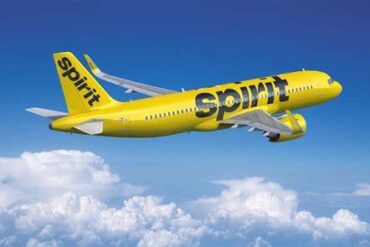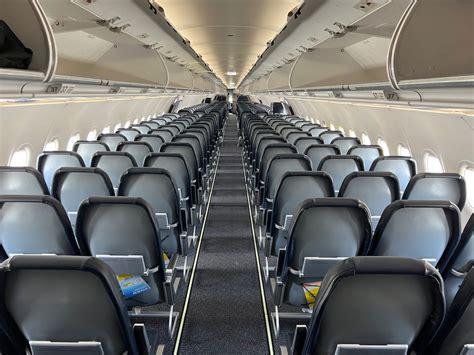
Spirit Airlines has long been shorthand for ultra-low fares, tight seat pitch, and a business model that unbundles nearly everything. Yet the airline’s Q1 2026 schedule tells a more ambitious story—one defined by distance. As Spirit stretches its Airbus A320-family fleet across oceans and continents, the question shifts from price alone to endurance: how does an ultra-low-cost carrier perform when flights push past five and even six hours?
The answer lies in the airline’s evolving network strategy. Longer routes promise higher yields, broader brand visibility, and access to competitive markets traditionally dominated by legacy carriers. They also magnify every element of the onboard experience. When time in the air doubles, comfort choices, ancillary decisions, and operational reliability matter more than ever.
Spirit’s top ten longest routes in Q1 2026 offer a revealing snapshot of this evolution. They blend transcontinental U.S. flying with Caribbean and South American leisure markets, all served by a single-class cabin that demands careful planning from travelers seeking comfort.
By the fourth paragraph, the pattern is clear: Spirit is no longer testing the edges of medium-haul flying—it is committing to it.
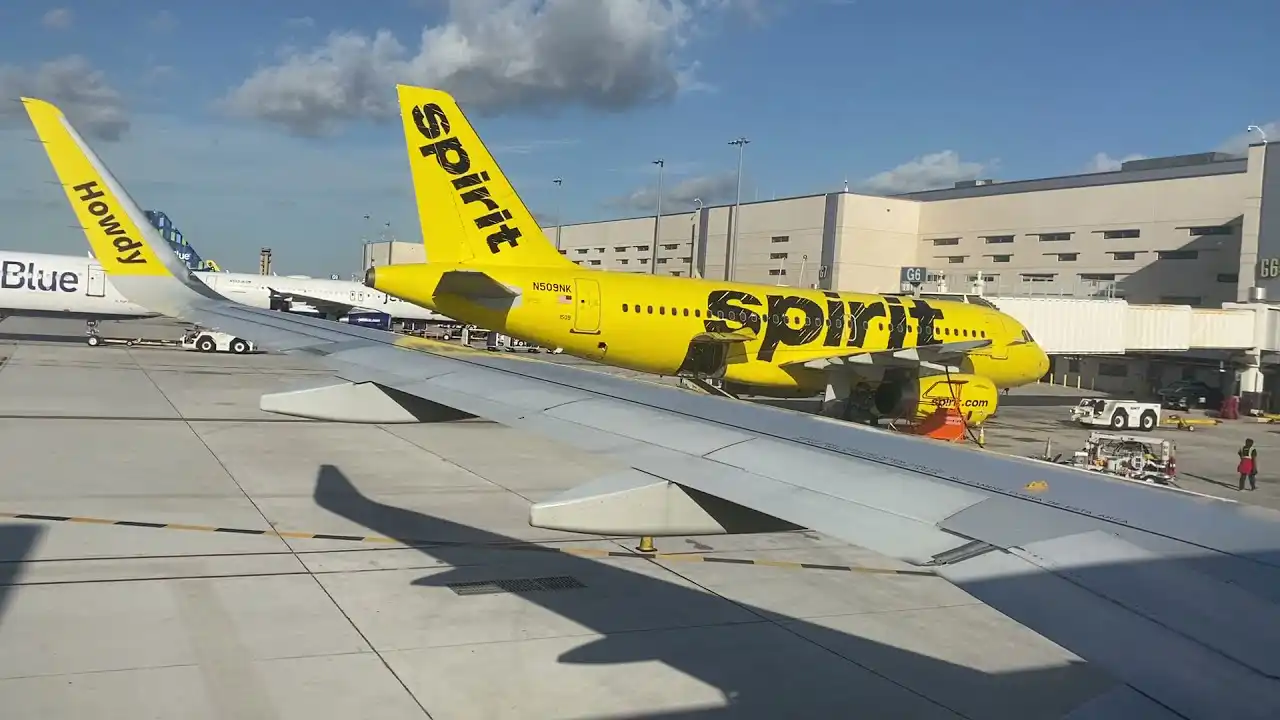
Pushing the Limits: Fort Lauderdale to Lima Takes the Crown
At the top of the list sits Fort Lauderdale–Hollywood International Airport (FLL) to Lima (LIM), Spirit’s longest nonstop route at 2,627 miles with an estimated flight time of over six hours. Operated daily throughout Q1 2026, this service places Spirit squarely in the long-haul leisure arena. Lima’s strong tourism appeal and competitive fare environment make it a logical choice, but the distance pushes the Airbus A320neo close to the upper end of typical ultra-low-cost stage lengths.
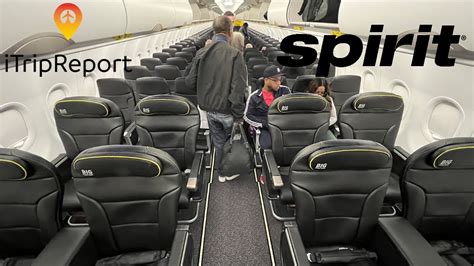
For passengers, this is where decisions become critical. The standard seat offers limited legroom for a journey that rivals some transatlantic flights in duration. The airline’s Big Front Seat, with significantly more space, transforms the experience—but at a price. On a six-hour flight, that upgrade shifts from luxury to practical necessity for many travelers.
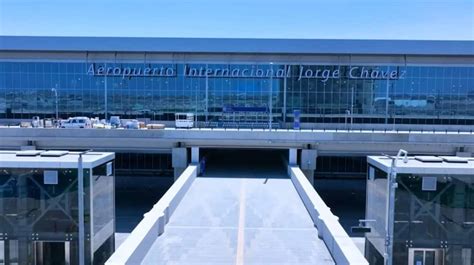
Transcontinental Ambitions and the Battle for Los Angeles
Beyond Lima, the list is dominated by transcontinental U.S. routes, with Los Angeles International Airport (LAX) appearing repeatedly. Flights such as Newark (EWR)–Los Angeles, Fort Lauderdale–Los Angeles, and Detroit (DTW)–Los Angeles clock in between 4 hours 40 minutes and nearly 6 hours, placing Spirit in direct competition with full-service and hybrid airlines.
This is where Spirit’s business model becomes most visible. Legacy carriers lure passengers with seat-back entertainment, complimentary drinks, and bundled Wi-Fi. Spirit counters with a stripped-down fare that lets travelers pay only for what they value. On a short hop, that trade-off is easy. On a cross-country journey, it becomes a deliberate calculation—especially for families and business travelers.
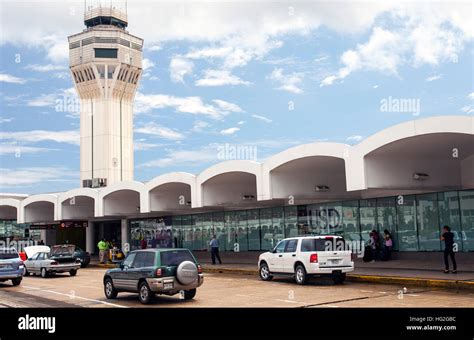
San Juan Routes Reveal a Caribbean Strategy
A second cluster of long flights centers on San Juan (SJU), with routes from Chicago O’Hare, Dallas/Fort Worth, San Antonio, and Houston. These flights blur the line between domestic and international travel, delivering transcontinental flight times to a leisure-heavy destination.
Frequency tells its own story. Chicago–San Juan operates daily and even ramps up to twice daily by mid-March, signaling strong, consistent demand. In contrast, Houston–San Juan and San Antonio–San Juan appear only briefly in early January, highlighting Spirit’s willingness to test markets aggressively during peak periods and retreat just as quickly when demand softens.
Aircraft Efficiency Versus Cabin Reality
All ten routes rely on Airbus A320-family aircraft, with the longest sectors typically assigned to A320neos. The neo’s fuel efficiency makes these distances economically viable, allowing Spirit to compete on price even as fuel costs fluctuate. What does not change is the cabin layout: dense seating, no built-in screens, and a heavy reliance on passengers’ personal devices for entertainment.
As flight time increases, the value of add-ons compounds. Checked bags, seat selection, Wi-Fi, and snacks can quickly elevate the total fare closer to that of a traditional airline—especially on flights approaching six hours. Savvy travelers factor these costs in advance rather than discovering them mid-journey.
What These Routes Say About Spirit’s Future
Spirit’s longest flights are more than scheduling curiosities; they signal a strategic pivot. By stretching stage lengths, the airline taps into markets with higher revenue potential while leveraging a fleet optimized for fuel efficiency. The risk lies in perception. Ultra-low fares draw attention, but sustained success on long routes depends on whether passengers accept the trade-offs—or consistently pay to soften them.
For travelers, these routes demand intention. Comfort on a five- or six-hour Spirit flight is achievable, but it requires planning, selective upgrades, and realistic expectations. For Spirit, the bet is clear: distance no longer belongs exclusively to legacy carriers. If executed well, these longest routes could redefine what budget long-haul flying looks like in North and Latin America.
In 2026, sitting comfortably on Spirit Airlines is less about chance and more about choice—a choice shaped by miles, minutes, and how much value travelers place on comfort when the clock keeps ticking at 35,000 feet.