Inside Spirit Airlines: The No-Frills Giant of U.S. Aviation
Spirit Airlines, headquartered in Fort Lauderdale, Florida, has carved out a prominent niche as one of the leading ultra-low-cost carriers (ULCCs) in the United States. Serving over 90 destinations across the U.S., Caribbean, Central, and South America, Spirit’s business model emphasizes bare-bones ticket pricing with a wide array of paid add-ons, empowering travelers to tailor each journey according to their preferences and budgets. This strategy has earned it both praise and criticism, reflected in its Tripadvisor score of 2.5/5 across more than 31,700 reviews.
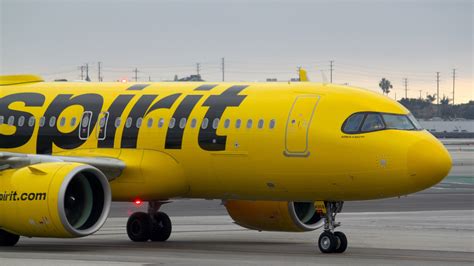
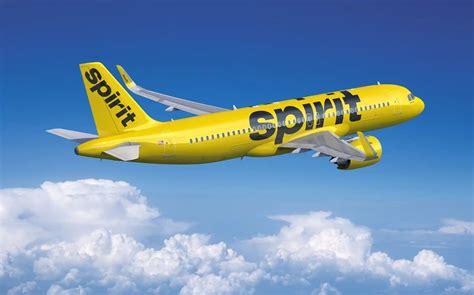
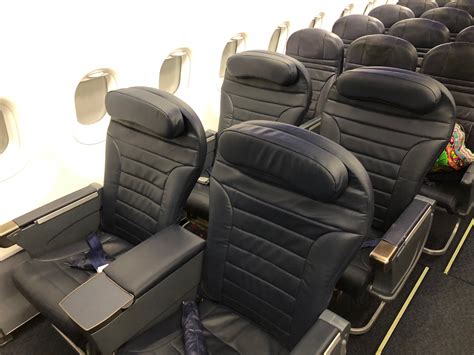
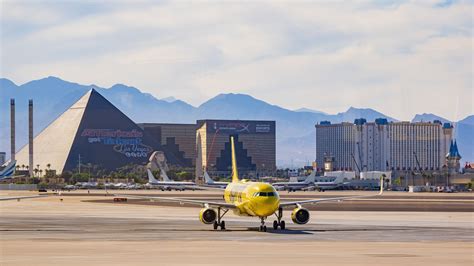
What sets Spirit apart is its commitment to operating one of the youngest and most fuel-efficient fleets in the U.S., consisting exclusively of Airbus aircraft. These include the A319, A320, and A321 models configured with either standard economy seating or the more spacious Big Front Seats, a premium option at a fraction of traditional business class pricing. This configuration has become emblematic of Spirit’s approach: low-cost, high-efficiency, and minimalist by design.
Cabin Comfort and Seat Experience: A Mixed Bag of Opinions
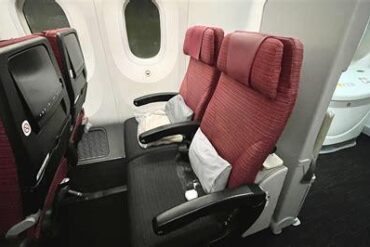
The in-flight experience on Spirit Airlines elicits highly polarized responses. Many passengers describe the seats as basic but adequate for short-haul flights, while others criticize the lack of reclining functions and limited padding. Legroom is standard for budget carriers, though travelers consistently praise the Big Front Seats for their increased pitch and width, often likening them to first-class seating on legacy airlines, albeit without complimentary amenities.
While Spirit does not provide traditional in-flight entertainment such as TV screens or complimentary Wi-Fi, it is worth noting that select aircraft in the fleet now feature paid Wi-Fi options—a gradual nod to evolving passenger expectations. Passengers are encouraged to bring their own devices and entertainment.
Baggage Fees and Add-Ons: Transparency Comes at a Cost
Spirit Airlines’ pricing strategy revolves around its “Bare Fare” model, which includes only the cost of the seat and a small personal item. Virtually everything else—from carry-on luggage to seat selection and snacks—is an extra charge. This is both a boon for light travelers and a pain point for those unfamiliar with the fee structure.
Typical domestic baggage fees include:
- Carry-on bag: $35 – $65
- 1st checked bag: $30 – $65
- 2nd checked bag: $40 – $100
- 3rd & 4th checked bags: $85 – $100 each
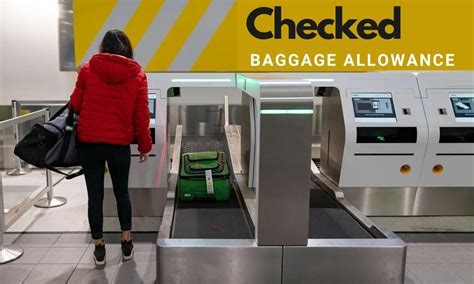
For international routes such as U.S. to Mexico, fees are slightly higher, with carry-ons starting at $30 and escalating significantly for additional luggage. The 40 lb (18 kg) weight limit per checked bag is notably less than the 50 lb standard found on most carriers, leading to additional charges if not strictly observed.
Check-In, Boarding, and Airport Efficiency
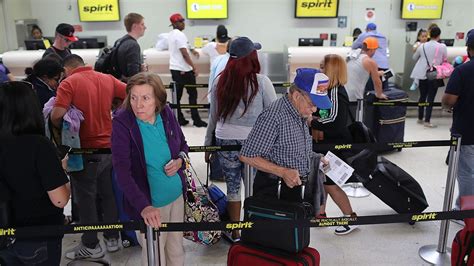
Passengers generally report quick and efficient check-in procedures at major airports, particularly at Spirit’s hub in Fort Lauderdale-Hollywood International Airport (FLL). Online check-in is strongly encouraged and is often smoother than counter check-ins, which can include fees for printed boarding passes.
Boarding typically follows a zone-based structure, although there are occasional complaints of inconsistency and lack of clear announcements at the gate. The lack of overhead bin space—since carry-ons are not standard—means that boarding can be faster than on full-service carriers, though it varies widely by flight.
Customer Reviews: A Tale of Two Spirits
A scan of recent Tripadvisor reviews reveals a divided customer base. Some travelers commend Spirit for its reliable punctuality, clean cabins, and friendly crews—especially on domestic routes like Fort Lauderdale to Myrtle Beach or Houston to Miami.
One review from May 2025 noted a “very nice” crew and on-time service, highlighting how crew professionalism can elevate a basic experience into a memorable one. Another traveler lauded the quiet overnight flight from Los Angeles to Philadelphia, describing it as “very spacious, a lot of leg room.”
Yet, many reviews echo frustrations with customer service, particularly when travel disruptions occur. A widely circulated incident involved a couple stranded in Nashville, unable to secure a Spirit flight for two additional days, forcing them to spend over $1,000 on an alternative airline. These scenarios underscore the fragile nature of customer support in irregular operations—a common critique of low-cost models.
Cleanliness and Cabin Maintenance: A Surprisingly Positive Note
Despite minimal amenities, Spirit earns relatively high marks for cleanliness and cabin upkeep. Reviewers routinely mention clean tray tables, tidy seats, and spotless lavatories, especially on early morning or freshly rotated aircraft. The airline’s newer Airbus fleet plays a major role in maintaining this standard.
On-board food and beverage services are available for purchase, with snacks and drinks priced higher than retail but in line with airline averages. There are no complimentary refreshments, and most passengers opt to bring their own provisions.
Route Network and Operational Focus
Spirit Airlines has an impressively diverse route network, making it a viable option not just for budget domestic travel, but also for select international markets. The carrier offers direct flights from key cities like Las Vegas (LAS), Orlando (MCO), Miami (MIA), and Los Angeles (LAX) to destinations across Latin America and the Caribbean.
Spirit also maintains the largest U.S.-Colombia network, flying to seven cities in the country. This emphasis on underserved and value-driven markets has contributed to Spirit’s growth, especially among price-sensitive international travelers.
Value for Money: Understanding the Trade-Offs
For those who travel light and plan ahead, Spirit Airlines can offer remarkably low fares, sometimes under $50 one-way. However, failure to anticipate fees can quickly erode savings. A basic $49 fare could balloon to over $150 once seat selection, baggage, and boarding priority are added.
Thus, Spirit is not inherently expensive or cheap—it is value-based. The most satisfied customers tend to be those who understand the model and accept its limitations upfront. Those expecting full-service perks or last-minute flexibility are often disappointed.
The Verdict: Who Should Fly Spirit Airlines?
Spirit Airlines is best suited for travelers who:
- Travel light, with minimal or no checked baggage.
- Are flexible with time, and prepared for potential delays.
- Prefer to customize their experience, choosing only the features they value.
- Seek direct flights to secondary airports or smaller international destinations.
Conversely, those requiring seamless customer support, luxury in-flight service, or complex itineraries may find Spirit’s offerings too limited. Its 2.5-star aggregate rating on Tripadvisor reflects this reality: great for the right traveler, but a poor fit for many others.
Final Thoughts
Spirit Airlines remains a disruptive force in the U.S. airline landscape. While it doesn’t promise frills or forgiveness, it does offer unmatched pricing transparency and the chance to travel affordably if passengers are proactive and prepared. As long as travelers manage expectations and plan accordingly, Spirit continues to deliver on its promise: to get you from point A to point B, affordably and on time—most of the time.