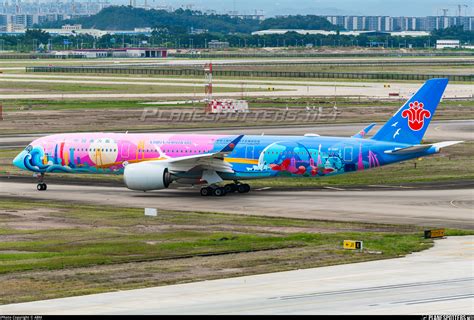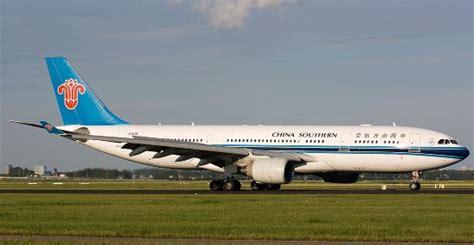
China Southern Airlines, headquartered in Guangzhou, remains one of the most significant carriers in the Asia-Pacific region, and indeed the world. As a member of the SkyTeam alliance, the airline services over 190 destinations across 35 countries, with major hubs at Guangzhou Baiyun International Airport (CAN) and secondary hubs in Beijing, Chongqing, and Ürümqi. In 2025, reviews on global platforms like Tripadvisor offer a mosaic of divergent passenger experiences, painting a complex picture of a rapidly evolving airline.
Passenger Comfort and Aircraft Quality in 2025
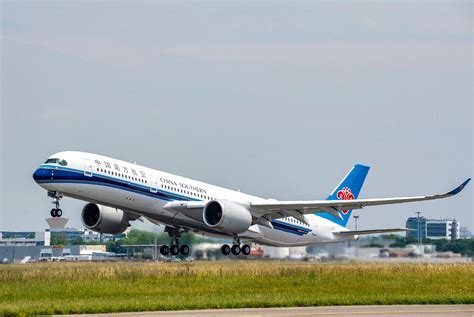
Across numerous reviews, passengers commonly highlight seat comfort and aircraft quality as notable strengths of China Southern Airlines. The fleet modernization strategy, particularly the use of newer aircraft models on intercontinental routes, has evidently improved onboard comfort. Flyers consistently report ample legroom, even in Economy Class, which sets China Southern apart from several of its global peers.
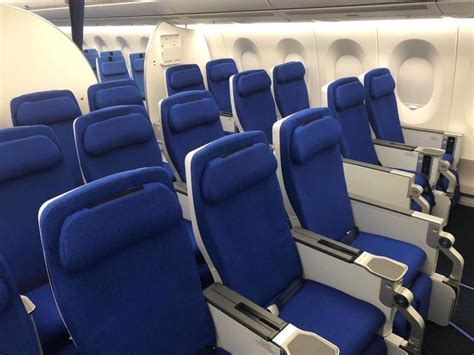
In terms of in-flight entertainment, passengers describe a satisfactory selection of TV shows, films, and music. While not industry-leading, the entertainment options are generally seen as sufficient, especially on long-haul routes. Importantly, recent enhancements to the seat-back entertainment systems and USB charging ports on upgraded aircraft have been positively received.
Service Standards: Cabin Crew vs. Ground Operations
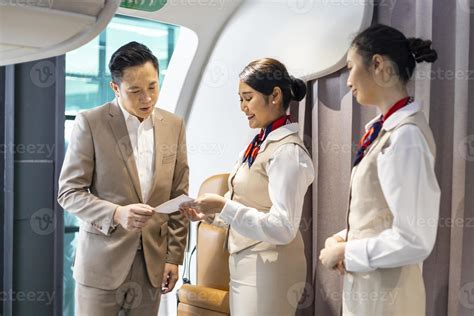
The airline receives mixed reviews for customer service, with a sharp contrast between onboard crew performance and airport service interactions. Inflight staff are widely praised for their politeness, professionalism, and responsiveness. Flyers commend the attentiveness of flight attendants, even in Economy Class, and highlight a genuine willingness to accommodate requests.
Conversely, many passengers express frustration with the airline’s customer support structure—especially when navigating disruptions or managing booking changes. A recurring theme involves difficulty in reaching responsive agents through the China Southern website or customer service hotline. Some users describe the site as “virtually unusable” for modifications, contributing to stress and confusion in time-sensitive situations.
Flight Disruptions and Handling of Cancellations
A significant point of contention in 2025 is China Southern’s handling of cancelled or delayed flights, particularly through less developed regional hubs like Ürümqi. One notable example involves passengers stranded due to a last-minute cancellation on the Urumqi-Yerevan route. The airline’s apparent lack of coordination and delayed response left travelers to miss onward connections and purchase new tickets at personal expense. The inadequate communication, language barriers, and ineffective issue resolution point to a clear deficiency in crisis management protocols at secondary airports.
These experiences stand in stark contrast to the efficient handling observed at larger hubs like Guangzhou or Beijing, where staff availability and English proficiency are markedly better. The divergence underscores a persistent inconsistency in regional service standards across the airline’s expansive network.
Food and Beverage Offerings: A Divisive Element
Inflight catering garners divergent reactions. While some passengers applaud the airline’s efforts to provide free hot meals, snacks, and even toiletries—particularly on long-haul or overnight flights—others lament the lack of quality and flavor in standard meal offerings. Vegetarian travelers express mixed sentiments, with a few pleasantly surprised by special meal accommodations, while others faced situations where vegetarian options were unavailable or not properly booked.
Travelers on premium routes or Business Class cabins fare better, with broader menu choices and upgraded culinary presentation. However, across Economy, the consensus remains that while meals are a welcome inclusion, they often lack distinction and fail to meet international palates.
Transit and Layover Experience in China
Given China Southern’s hub-and-spoke model, many international flights transit through Chinese airports. Reviews from 2025 highlight a notable disparity between short and long layovers. Passengers with extended layovers in cities like Zhengzhou or Guangzhou often receive free transit hotel accommodations, airport shuttles, and meal vouchers. These services are especially appreciated during overnight stops, adding value and comfort to the transit experience.
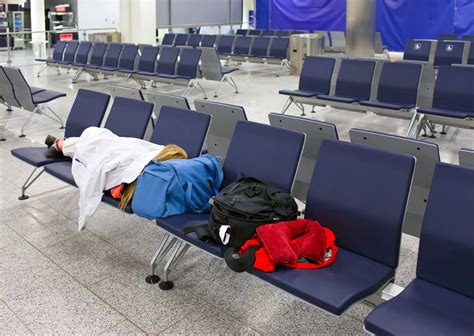
Yet, delays in processing hotel vouchers, long customs queues, and language barriers at transit desks can diminish these benefits. Importantly, not all passengers are aware of the complimentary hotel policy, highlighting a need for better communication and signage in airports.
Pricing Strategy and Perceived Value for Money
A recurring positive in passenger reviews is the airline’s competitive pricing. China Southern is seen as offering exceptional value-for-money, particularly on transcontinental routes such as Auckland–Guangzhou, London–Tokyo, and Sydney–Phuket. For budget-conscious travelers, the inclusion of checked luggage, meals, and entertainment in base fares often makes China Southern more attractive than many Western legacy carriers or low-cost Asian competitors.
However, the airline’s reliance on price as a value driver is double-edged. Passengers acknowledge that lower ticket prices may come with fewer service guarantees or slower resolution mechanisms during irregular operations. Nevertheless, for many, the overall package remains competitive, especially when expectations are calibrated accordingly.
Digital Experience and Booking Platform Limitations
The airline’s digital infrastructure continues to lag behind international standards. Many 2025 passengers report that the website is cumbersome, with limited functionality in booking management, seat selection, or ticket changes. Mobile app usage is similarly plagued by glitches and incomplete translations, making it hard for non-Chinese speakers to complete basic tasks.
Frequent flyers have voiced a desire for improved digital UX, including faster response times, clearer prompts for special services (such as dietary requirements), and a more intuitive interface for multi-city itineraries. Until these improvements are implemented, third-party booking platforms often remain the preferred choice for navigating China Southern’s schedules.
China Southern Airlines in the Global Airline Landscape
As the sixth-largest airline by passenger numbers, China Southern occupies a unique position: straddling the line between a global network carrier and a price-driven regional operator. Its presence in SkyTeam allows for codeshare agreements and loyalty integration, especially appealing to frequent travelers aligned with partner airlines such as Delta or Air France.
Yet, the full potential of this alliance remains unrealized unless customer service and disruption handling match the standards expected in Western markets. To elevate its global standing, China Southern must invest in staff training, bilingual service consistency, and real-time digital support, especially at vulnerable regional hubs.
Conclusion: A Viable Option With Caveats
In 2025, China Southern Airlines presents a compelling offering for travelers seeking cost-effective, transcontinental journeys—particularly when routing through China is acceptable. The airline excels in onboard comfort, inflight service, and pricing, but faces headwinds in disruption management, ground service consistency, and digital experience delivery.
Passengers choosing China Southern should approach the journey with balanced expectations. While inflight quality and comfort often exceed expectations, unpredictable operational disruptions and limited support infrastructure can cause frustration. As the airline continues modernizing its fleet and expanding its global footprint, resolving these gaps will be crucial to its long-term reputation.
For now, China Southern Airlines remains a solid choice for travelers who prioritize value and can navigate complexity, especially when planning well ahead and confirming all trip details in advance.