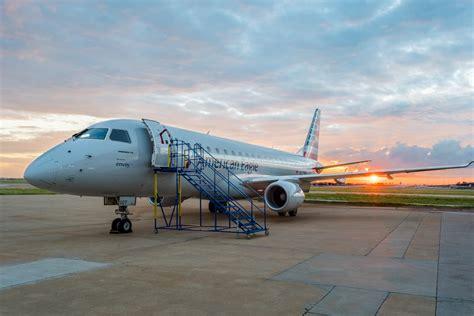
Envoy Air, a wholly owned subsidiary of American Airlines Group, stands as one of the leading regional airlines in the United States. Headquartered in Irving, Texas, Envoy operates a fleet of Embraer regional jets, providing vital connections to 170 destinations across North America and beyond. The airline’s vast network and history of providing excellent service make it a crucial player in American Airlines’ expansive global operations. This article delves into Envoy Air’s operations, history, fleet, and other significant aspects that define its role in the aviation industry.
The Evolution of Envoy Air: From American Eagle to Today
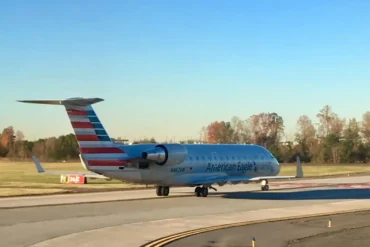
Founded in 1984 as American Eagle Airlines, Envoy Air has undergone significant transformations over the years. Initially, American Airlines used regional carriers to handle flights feeding into their hubs, starting with Metroflight Airlines operating as American Eagle. This collaboration grew, with other regional carriers such as Executive Airlines, Simmons Airlines, and Wings West Airlines also joining the fold. By 1991, American Airlines had consolidated its regional carriers into a smaller group, streamlining operations under the American Eagle banner.
The crucial change came in 2014 when the company rebranded to Envoy Air. The decision to rename the airline was made to avoid confusion with other carriers using the American Eagle name. This rebranding marked a fresh chapter in the airline’s history, aligning the company more closely with American Airlines while ensuring clarity in its operations.
Fleet Overview: The Heart of Envoy’s Operations
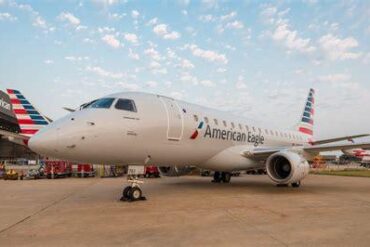
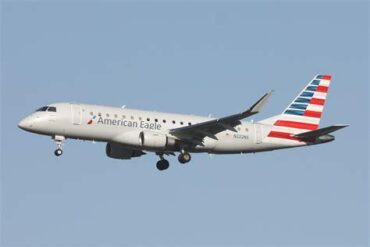
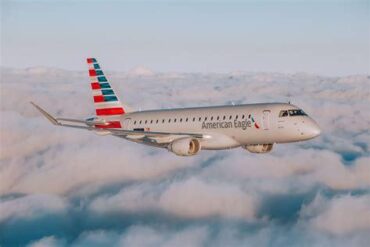
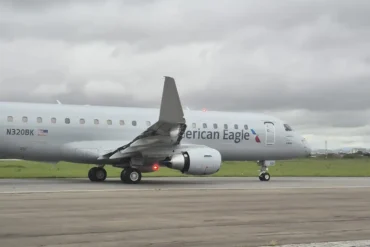
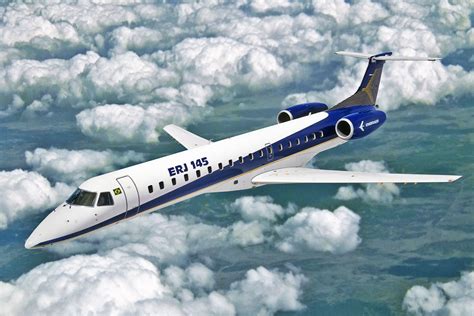
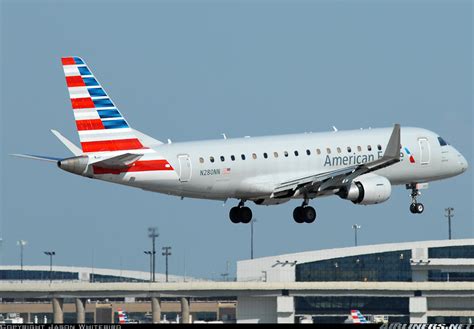
Envoy Air’s fleet is built around modern, fuel-efficient regional jets that serve the airline’s vast network. The backbone of this fleet consists of the Embraer 170 and Embraer 175 jets, known for their reliability and efficiency on regional routes. These aircraft are the ideal size for the type of short-to-medium-haul flights that Envoy operates, typically with 70 to 76 seats depending on the configuration.
These Embraer jets are complemented by a history of various turboprop aircraft used during the airline’s earlier years. Turboprops like the Saab 340 and ATR 72 were once a significant part of the fleet, serving smaller airports that required short takeoff and landing distances.
Today, the Embraer 170 and 175 aircraft are the primary jets, with Embraer 175 jets being the most numerous in the fleet. These jets are equipped with the latest technology, including modern avionics and safety features that ensure passenger comfort and operational efficiency.
Envoy Air’s Extensive Network
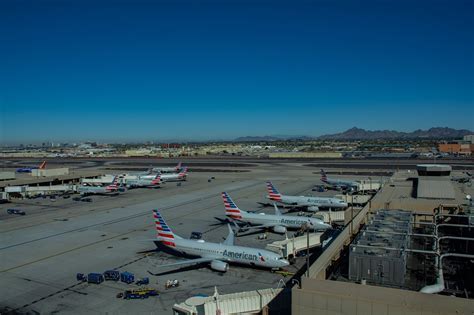
Envoy Air operates over 1,000 daily flights across 170 destinations throughout the United States, Canada, Mexico, the Caribbean, and South America. The airline’s role is critical in American Airlines’ operations, providing essential feeder flights that connect passengers to major hubs like Dallas/Fort Worth, Chicago O’Hare, Miami, and Phoenix. These hubs form the backbone of Envoy’s network, and its operations at these locations are key to maintaining American Airlines’ vast global connectivity.
The airline’s flight operations are highly integrated with American Airlines’ broader flight schedule, ensuring seamless connections for passengers traveling across the world. Whether serving major metropolitan areas or smaller regional airports, Envoy Air ensures that travelers have access to a reliable and efficient mode of transport.
The Impact of Rebranding: A Shift Toward Clarity and Identity
The rebranding of American Eagle Airlines to Envoy Air in 2014 was a pivotal moment in the airline’s history. American Airlines’ decision to adopt a more distinct identity for its regional carrier was driven by the need to avoid confusion with other regional carriers operating under the American Eagle umbrella. This rebranding allowed Envoy to carve out a clearer role within the broader American Airlines network, ensuring that passengers could easily identify which airline was operating their flights.
This change not only provided operational clarity but also brought a sense of modernization to the airline. The new name, Envoy, is a nod to the company’s role as a vital messenger between American Airlines and its passengers, ensuring smooth connections on the ground and in the air.
Key Hubs and Crew Bases
Envoy operates four key hubs across the United States, which serve as the primary points of departure and arrival for its flights. These hubs include:
- Dallas/Fort Worth International Airport (DFW)
- Chicago O’Hare International Airport (ORD)
- Miami International Airport (MIA)
- Phoenix Sky Harbor International Airport (PHX)
In addition to its hubs, Envoy maintains several crew bases where its employees are stationed. These bases are strategically located to ensure the airline’s ability to deploy its pilots and crew efficiently across its network. Key crew bases include Chicago, Dallas/Fort Worth, Miami, and Phoenix, all of which support the airline’s extensive daily flight schedule.
A Strong Workforce Supporting Operations
Envoy Air’s success is also attributed to its dedicated workforce. The company currently employs more than 20,000 people across its operations. These employees play a crucial role in ensuring that every flight runs smoothly, from pilots and flight attendants to ground crew and maintenance personnel. The airline is known for its commitment to employee satisfaction, offering competitive wages, benefits, and training programs to ensure a highly skilled workforce.
Significant Safety and Incident History
Envoy Air, like any airline, has had its share of incidents and challenges. One notable event occurred in 2006, when a Saab 340B+ aircraft operating on behalf of American Eagle encountered severe icing at 11,000 feet. The aircraft regained control after a dramatic descent, with the autopilot disconnecting and the stall alarm sounding. Thankfully, no passengers were injured in the incident, but it prompted the National Transportation Safety Board (NTSB) to issue safety recommendations for the Saab 340 series.
In more recent years, the airline has experienced minor runway excursions, including a 2019 incident at Chicago O’Hare and a 2020 incident in the Bahamas. In both cases, no fatalities were reported, and the airline took appropriate measures to ensure such events were prevented in the future.
Looking Forward: Envoy’s Role in the Future of Aviation
As a regional carrier, Envoy Air plays a critical role in American Airlines’ network, helping to provide seamless travel options across North America and beyond. The airline’s use of Embraer 170 and 175 jets, coupled with its modern approach to operations, ensures that it remains at the forefront of the regional aviation market.
With its extensive flight network, dedicated workforce, and ongoing commitment to safety, Envoy is well-positioned for continued growth and success. The airline’s ability to adapt to the changing landscape of the aviation industry while maintaining its strong ties to American Airlines guarantees its place as a vital component of the airline’s global operations.