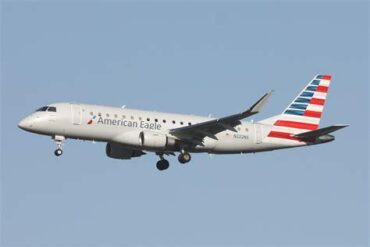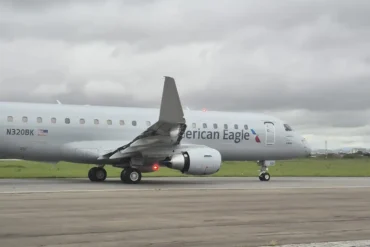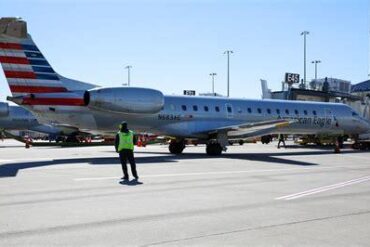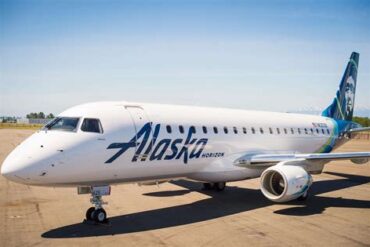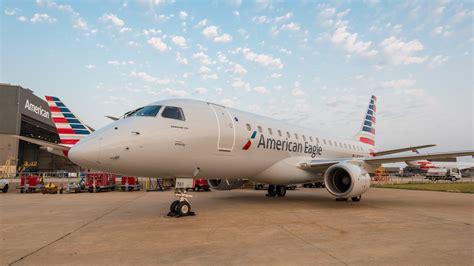
Brazil’s aerospace leader Embraer is rapidly altering the regional aviation dynamics of the United States, serving as the cornerstone of Envoy Air’s ambitious fleet expansion. As a subsidiary of American Airlines Group, Envoy Air is aggressively building out its all-Embraer fleet, slated to reach 214 aircraft by the end of 2027. Meanwhile, a stark contrast emerges with Alaska Airlines and Horizon Air, whose plans to receive new Embraer E175 jets are now stifled by new U.S. tariffs on Brazilian imports. These diverging trajectories illuminate the transformative power of Brazil’s aircraft exports, even as geopolitical headwinds complicate the landscape for other carriers.
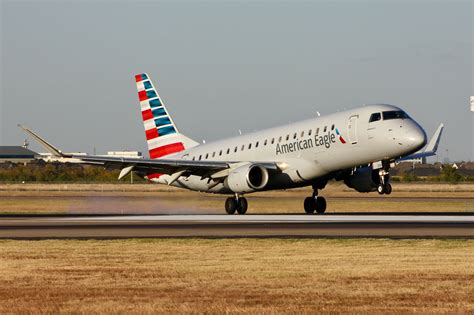
Envoy Air’s Strategic Surge with the E175 Fleet
Envoy Air is executing one of the most ambitious regional fleet expansions in North America. Anchored by the Embraer E175, the airline’s decision to grow its fleet exclusively with aircraft from Brazil’s Embraer reinforces both a commitment to operational uniformity and a recognition of the E175’s role in regional aviation excellence.
The airline expects steady deliveries of the E175 throughout 2026 and 2027, with the first tranche arriving as early as 2025. By the end of 2025, Envoy projects to have at least 181 aircraft in service. This growth trajectory not only reaffirms Envoy’s central role in American Airlines’ network strategy but also underscores the E175’s performance attributes—fuel efficiency, reliability in variable climates, and passenger-centric cabin design—that make it indispensable for short and medium-haul routes.
This expansion is driven by surging demand in regional markets post-pandemic, especially in smaller cities needing reliable links to major airline hubs. The E175, seating around 76 passengers, is perfectly suited for these mission-critical routes. It also brings the advantages of modern avionics, lower noise footprints, and increased passenger comfort, attributes that are increasingly non-negotiable in the competitive landscape of modern air travel.
Operational Uniformity as a Competitive Advantage
Envoy Air’s decision to operate an all-Embraer fleet is more than logistical convenience—it is a calculated operational strategy. Fleet homogeneity simplifies everything from pilot training and aircraft maintenance to inventory and spare parts management. Such consistency reduces costs, minimizes operational errors, and improves turnaround times. With fewer variables to manage, Envoy achieves higher reliability metrics, a key factor for both customer satisfaction and airline profitability.
The benefits extend into the cockpit and cabin. Pilots can transition seamlessly between models, while passengers enjoy consistent cabin layouts, seat pitches, and onboard experiences. In a segment where brand loyalty is harder to achieve, these seemingly small touchpoints have cumulative effects that benefit both Envoy and its parent company.
Tariffs Hit Horizon Air and Alaska Airlines: A Cautionary Tale
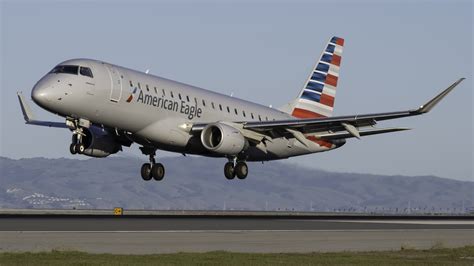
While Envoy is surging forward, not all carriers are faring as well. The newly enacted U.S. tariffs on Brazilian imports have already disrupted fleet plans at Alaska Airlines and Horizon Air, its regional affiliate. The group was forced to delay delivery of two E175 jets, citing significantly increased procurement costs as a direct result of the trade barriers.
These tariffs, part of a broader reshaping of U.S. trade strategy, disproportionately impact carriers reliant on foreign-manufactured aircraft—especially those from Brazil, home to Embraer. Alaska Airlines has emphasized that these delays are not merely procedural; they have strategic implications for route planning, crew scheduling, and long-term regional growth.
The result is a two-tiered landscape: airlines like Envoy, with better financial insulation or long-term contracts negotiated before tariff imposition, are moving full speed ahead. Others, including Horizon Air, face the dual challenge of maintaining service with an aging fleet while managing fleet expansion amidst shifting cost structures.
The Broader Economic and Policy Implications
The split between Envoy’s expansion and Horizon Air’s delay is emblematic of broader macroeconomic tensions affecting aviation. On one hand, airlines are attempting to modernize fleets to meet sustainability goals and match post-pandemic demand. On the other, they face rising interest rates, fluctuating fuel costs, and now, punitive tariffs that inflate the costs of fleet renewal.
These pressures place a premium on strategic foresight and supply chain resilience. Airlines with locked-in agreements and deeper financial cushions, like American Airlines through Envoy, can ride out the volatility. Others may be forced to reprioritize route launches, reduce frequencies, or delay fleet renewal—choices that ultimately affect passengers, employees, and the regional connectivity that underpins economic growth in smaller markets.
The Embraer E175: The Workhorse of Regional Aviation
The Embraer E175 isn’t just popular—it’s pivotal. This aircraft is the cornerstone of North American regional aviation. Designed with a balance of efficiency and comfort, it can serve both congested airspaces and hard-to-reach regional airports. With a cruise speed of Mach 0.82, range of over 2,000 nautical miles, and low takeoff and landing distances, the E175 outperforms many of its regional peers.
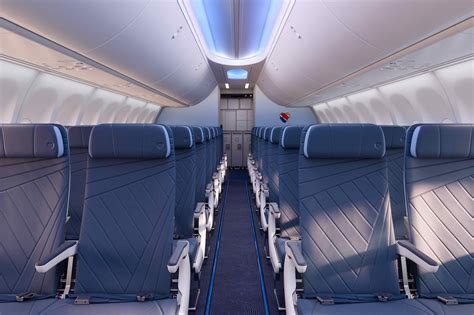
Passenger amenities further solidify its standing. Larger windows, more headroom, and enhanced cabin pressurization create an experience markedly better than older 50-seat regional jets. In an industry where brand distinctions are fading and aircraft type increasingly defines the passenger experience, the E175 offers a strategic advantage for carriers prioritizing passenger satisfaction.
Envoy’s Role in American Airlines’ Network Resilience
American Airlines relies heavily on Envoy to provide essential connectivity between its major hubs and secondary cities across the United States. The E175’s flexibility allows Envoy to tailor aircraft deployment to demand fluctuations, enabling right-sizing of capacity during both peak and off-peak travel periods. This ensures higher load factors and better margins, critical in today’s cost-sensitive environment.
Envoy’s new fleet additions will further reinforce American’s ability to grow point-to-point service in underserved markets while enhancing hub efficiency. Cities that might not warrant mainline service still receive frequent, high-quality regional flights, supporting both business travel and essential community access to the broader air travel network.
Tariffs as a Strategic Inflection Point
The current tariff landscape is more than a regulatory inconvenience—it is a strategic inflection point. For carriers relying on imports, particularly from non-European and non-U.S. manufacturers, the unpredictability of future trade policy makes long-term fleet planning a more complex equation. Airlines may seek alternative procurement options, explore leaseback agreements, or renegotiate contracts to absorb tariff-related costs.
These dynamics could also influence the broader competitive field. U.S. carriers traditionally benefitting from diversified fleet sources may be forced to consolidate or rebalance toward domestic suppliers like Boeing, or toward European partners such as Airbus, if trade friction with Brazil escalates further.
Aviation’s Future: Adaptability and Alliances
As the sector evolves, regional carriers that adapt quickly and align closely with strong partners will be best positioned for sustainable success. Envoy’s confident expansion, backed by American Airlines and bolstered by Embraer’s E175, reflects the powerful impact of strategic alignment. Meanwhile, the obstacles faced by Alaska and Horizon highlight the importance of navigating trade and regulatory risks with agility.
For Embraer, continued U.S. relevance hinges on its ability to maintain cost competitiveness despite external pressures. For U.S. airlines, the message is clear: fleet decisions can no longer be purely operational—they are geopolitical, financial, and strategic.
As the regional airline sector grapples with these multifaceted challenges, Envoy Air’s trajectory stands as a model of calculated expansion amidst uncertainty—powered by a robust platform and shielded, for now, from the tariff turbulence that threatens to ground its competitors.