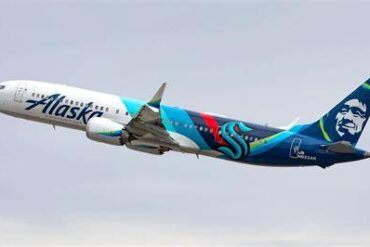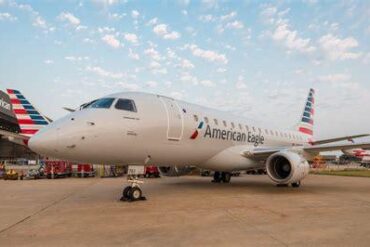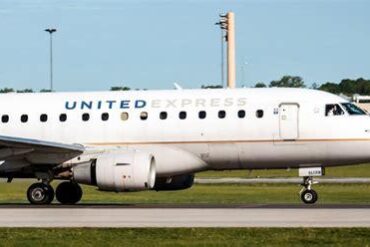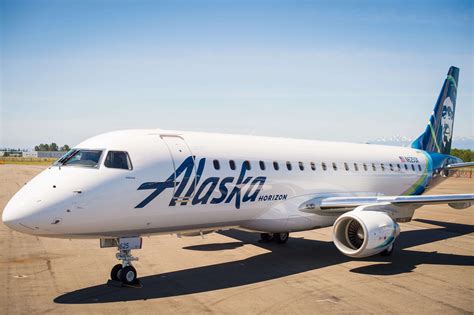
The ripple effects of geopolitical trade decisions have once again hit the aviation sector, as Horizon Air, the regional subsidiary of Alaska Airlines, has confirmed a pause in the delivery of two Embraer E175 aircraft due to tariff uncertainties. The decision underscores the fragile intersection of international commerce, economic policy, and regional connectivity, bringing real consequences for passengers in the Pacific Northwest.
Economic Pressures Trigger a Tactical Pause
Horizon Air had been scheduled to receive two brand-new Embraer E175 jets in May, part of its strategic fleet modernization and route expansion program. However, with the U.S. government reimposing tariffs on imported goods — including aircraft manufactured abroad — Horizon has opted to defer these deliveries. The carrier made it explicitly clear: it “will not accept additional costs imposed by tariffs,” signaling a strong stance against financial unpredictability in its procurement strategy.
While the steepest tariffs have been temporarily paused, a baseline 10% tariff remains in effect on imports from Brazil, home to Embraer’s production lines. This existing levy, combined with looming uncertainty around future trade policies, has left Horizon — and other U.S. carriers — in a holding pattern when it comes to long-term fleet investment.
Flight Disruptions Begin to Surface
As a direct result of the paused deliveries, Horizon Air has slashed 14 daily flights from its summer schedule, impacting routes primarily in the Pacific Northwest. These cancellations not only affect traveler convenience but also place additional pressure on Horizon’s existing 45-aircraft fleet, the bulk of which comprises Embraer E175 jets.
“We deeply regret the impact this situation will have on our guests this summer,” a Horizon spokesperson stated, expressing concern for both the airline’s operational integrity and its customer base. The carrier is working to find a resolution that would allow aircraft delivery without the added cost burden, though the timing of such a solution remains uncertain.
Tariffs, Trade Wars, and the Aviation Sector
The aviation industry has always been highly sensitive to shifts in global trade policies. The ongoing U.S.–Brazil tariff situation is part of a larger matrix of economic protectionism that has increasingly complicated the operations of international manufacturers and their downstream clients, such as airlines. While Embraer is a Brazilian company, many of its parts and systems are sourced globally, and the final delivery often involves navigating multiple regulatory and tax jurisdictions.
Tariffs have a cascading effect: a 10% import levy on a multi-million-dollar aircraft translates into millions of dollars in unplanned costs for the receiving airline. These costs are not easily absorbed, especially for regional carriers like Horizon Air, which operate under tighter financial margins than their mainline counterparts.
Strategic Fleet Management Under Fire
Horizon Air’s current fleet strategy revolves around the E175 regional jet, a reliable and efficient aircraft that allows the airline to serve a mix of high-frequency short-haul and medium-range destinations. The aircraft are particularly well-suited to Horizon’s core markets, offering a comfortable passenger experience with 76 seats, including first-class and premium economy sections.
However, with two aircraft now sidelined before even reaching the tarmac, Horizon’s entire fleet management strategy faces disruption. It not only limits the airline’s ability to introduce new routes or increase frequencies but also reduces flexibility in managing maintenance rotations and unforeseen operational issues.
Competitive Pressures and Customer Loyalty
The timing of these cancellations could not be more challenging. The summer travel season is historically one of the most lucrative periods for airlines, and regional carriers play a pivotal role in funneling passengers to and from major hubs. Horizon Air, as a feeder airline for Alaska Airlines, is critical in ensuring seamless connections across the network.
Flight cancellations risk more than immediate revenue loss; they also erode customer trust and brand loyalty. In today’s highly competitive aviation market, passengers faced with reduced options are likely to shift their allegiance to other airlines, particularly if delays and disruptions are not clearly communicated and effectively managed.
Manufacturer Caught in the Crossfire
While Horizon’s decision is grounded in self-preservation, it also places Embraer in a delicate position. The Brazilian aircraft manufacturer relies heavily on U.S. orders for its E175 program, and any disruption in delivery schedules can impact not just its financial bottom line, but also its reputation for reliability and support.
Furthermore, this development could strain the long-standing commercial relationship between U.S.-based carriers and Embraer. If tariff-related uncertainties persist or worsen, airlines may look to domestic alternatives or renegotiate supply contracts, adding further pressure to an already turbulent supply chain.
Regulatory Uncertainty: A Wider Industry Concern
The Horizon-Air–Embraer standoff also exemplifies a broader challenge facing the global aviation industry: the lack of predictability in trade and regulatory policy. Airlines must plan their fleet acquisitions years in advance, often committing billions of dollars based on projected traffic, fuel costs, and regulatory frameworks. When these frameworks shift abruptly — as in the case of sudden tariffs — the consequences are both immediate and long-lasting.
Aircraft deliveries are not mere handovers; they involve complex scheduling, pilot training, maintenance crew preparation, and route planning. Delays or cancellations disrupt this entire ecosystem, forcing carriers to make last-minute adjustments that are costly and operationally cumbersome.

Pathways to Resolution: What Lies Ahead?
There are limited, but meaningful, options available to Horizon Air and other carriers in similar predicaments. One possible solution involves negotiating temporary tariff exemptions for high-value goods such as aircraft, particularly when the delivery timelines were locked in before the tariff announcements.
Alternatively, Alaska Airlines Group — Horizon’s parent company — could use its industry clout to lobby policymakers for a more aviation-friendly trade environment. Such efforts, however, are contingent on broader political will and the current tone of U.S.–Brazil trade relations.
Horizon Air has indicated that it remains hopeful for a short-lived disruption. If the tariff situation stabilizes, the airline may proceed with its scheduled deliveries later this year or in early 2026. However, each passing month without resolution compounds the logistical and reputational costs of the current impasse.
The Human Element: Pilots, Crews, and Communities
Beyond spreadsheets and schedules, the pause in aircraft deliveries also affects hundreds of individuals tied to Horizon’s operations. From pilots and flight attendants waiting to be assigned to the new jets, to maintenance crews training on updated systems, a delay of this nature sends ripples through the entire workforce.
Moreover, communities that rely on Horizon’s regional connectivity — especially smaller towns in Oregon, Washington, and Idaho — may see reduced service or longer layovers, disrupting local economies and limiting travel access. These regional routes are not easily replaced by larger carriers, making Horizon’s presence all the more essential.
Conclusion: A Fragile Equilibrium
The saga of Horizon Air’s paused Embraer E175 deliveries is more than just a temporary operational hiccup. It reflects the fragile equilibrium between global trade policy and regional airline viability. With 14 daily flights already cut and more potentially on the line, the stakes are rising for both the airline and its loyal customer base.
Unless a clear resolution emerges — either through policy adjustment, tariff relief, or renegotiated procurement terms — Horizon Air may continue to face headwinds in an already competitive and economically volatile industry. For now, the skies remain uncertain.