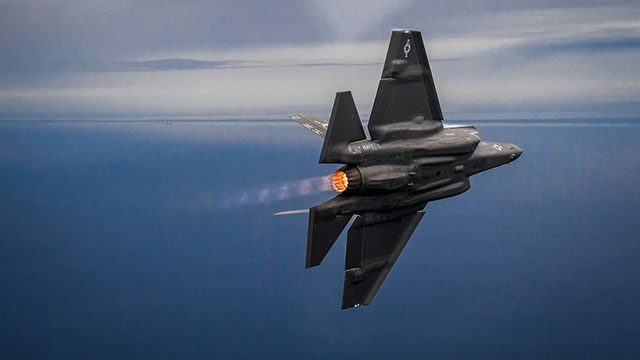
The widening rift between Washington’s tariff-heavy foreign policy and global defense procurement is forcing an unprecedented reckoning across the international fighter-jet market. We examine how the latest wave of U.S. trade penalties, diplomatic pressure, and political volatility has pushed long-trusted partners to reconsider, halt, or outright cancel their commitments to the F-35 Lightning II, threatening more than $100 billion in potential orders and injecting historic instability into the world’s most expensive fighter program.
Trump’s Tariff Shock And The Unraveling Of Global F-35 Confidence
The abrupt resurrection of punitive tariffs under President Donald Trump was advertised as a strategy to revive American industry. Instead, it has collided with the delicate ecosystem that sustains international defense collaboration. Nations that once saw the F-35 as the indispensable backbone of their future airpower are now questioning whether a weapons platform so tightly entangled with U.S. geopolitics can remain a reliable pillar of national defense. The result is a cascade of retreating customers, wavering allies, and a program increasingly vulnerable to political aftershocks rather than technological merit.
The paradox is impossible to ignore. At the exact moment when the U.S. administration champions American military dominance, its economic intimidation has weakened the appeal of the very aircraft meant to embody that power. Rising production costs, TR-3 delays, modernization setbacks, and staggering lifecycle expenses already placed pressure on Lockheed Martin. The turbulence introduced by new tariffs has turned that pressure into existential strain.
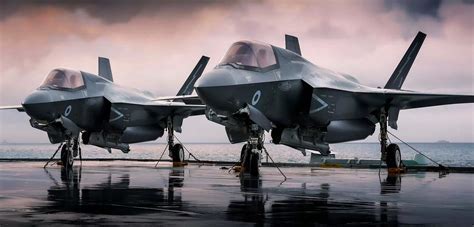
Global Allies Retreat As Diplomatic Strains Deepen
Portugal was the first domino to fall in 2025, abandoning plans to acquire up to 36 aircraft despite formal recommendations from its own air force. Lisbon’s leadership cited the unpredictability of Washington’s policies, unease over NATO cohesion, and fears that future restrictions could limit the operation, deployment, or maintenance of U.S.-built systems. With a shifting European security landscape, Portugal signaled its intent to pursue fighters such as the Rafale, Eurofighter Typhoon, or Gripen, redirecting billions once presumed destined for Fort Worth.
Switzerland followed with its own crisis. Trump’s 39% tariff on iconic Swiss exports triggered a political revolt in Bern, transforming what had once been a straightforward 36-jet purchase into a symbol of national dignity. While the agreement is technically alive, its renegotiation highlights how tariff diplomacy can turn defense acquisitions into political battlegrounds rather than strategic calculations.
Spain then delivered another blow by dissolving its multibillion-euro allocation earmarked for 45–50 F-35As and more than a dozen F-35Bs. Madrid’s rejection came after escalating tensions over Trump’s demands that NATO members spend 5% of GDP on defense. Instead, Spain has shifted focus toward European alternatives and its future role in the FCAS program.
India’s Fifth-Generation Gamble And The Price Of Alienation
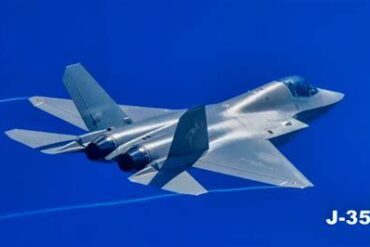
India, locked in an uneasy tri-border balance with China and Pakistan, is actively searching for a fifth-generation aircraft. Trump’s 50% tariff on Indian goods—one of the harshest globally—has erased the F-35 from serious contention. The result is an open runway for Russia’s Su-57, a platform that New Delhi had previously evaluated with skepticism. Without tariff escalation, the F-35 might have been the natural choice to counter China’s J-35A deployments. Instead, Washington’s economic deterrence has inadvertently strengthened Moscow’s bid.
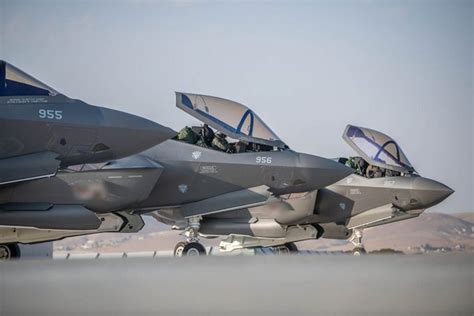
Canada’s $50 Billion Review Becomes The Program’s Biggest Threat
Of all the wavering customers, Canada represents the most catastrophic potential loss. Its 2023 approval of an 88-jet order worth 70 billion Canadian dollars was long viewed as a stabilizing anchor for the program. Now, Ottawa is reassessing whether continued dependence on the F-35 aligns with its security needs in a newly volatile geopolitical climate.
Sweden’s Saab has seized the moment with an unusually aggressive pitch for the Gripen, promising local manufacturing, an export hub, and 10,000 domestic jobs. High-level diplomatic engagement—including a state visit from King Carl XVI Gustaf—underscores the seriousness of Sweden’s campaign. Should Canada abandon the remaining 72 aircraft, it would mark the largest financial and symbolic setback in the F-35’s international history.
A Single New Customer Cannot Offset A Global Withdrawal
Saudi Arabia’s long-standing desire to acquire the F-35 was finally blessed with political approval under the Trump administration. Yet even this victory is precarious. Congressional skepticism, Israeli opposition, and international rights-group objections cast deep shadows over the prospective deal. The Saudis alone cannot compensate for the 150 aircraft already lost or the 72 now under review across North America and Europe.
The irony is painful. Even as Israel demonstrated the F-35’s battlefield prowess during its 12-day conflict with Iran—executing high-risk penetrations, precision strikes, and SEAD operations alongside the F-22 and B-2—the aircraft’s global credibility is being undone not by performance but by politics.
The Cost Of Spite: How Tariffs Threaten Over $100 Billion In Orders
The proverb about injuring oneself to spite another has rarely felt so fitting. Trump’s tariff crusade has destabilized alliances, triggered retaliatory procurement decisions, and risked unraveling one of the most complex industrial ecosystems ever created. With more than $100 billion in potential orders hanging in the balance, the strategic and economic consequences for both the U.S. and its partners are immense.
The F-35 remains a technological marvel, yet its future abroad may be undermined by the political machinery that surrounds it rather than by any shortcoming in its design. As nations reevaluate their defense autonomy and seek platforms free from geopolitical volatility, the global fighter-jet landscape is shifting—perhaps permanently—toward a more fragmented, multipolar market.
The world’s most ambitious stealth program now stands at a crossroads defined not by engineering challenges, but by the unpredictable trajectory of American foreign policy.