The American airline industry is in freefall, blindsided by a volatile mix of tariff shocks, supply chain paralysis, and summer travel disruptions that have left passengers stranded and executives scrambling. In a move with global repercussions, former President Donald Trump’s reinstated tariffs—notably on aircraft parts, engines, and key aviation materials—have struck the core logistics and operations of major U.S. carriers including Delta Air Lines, United Airlines, American Airlines, and Southwest Airlines.
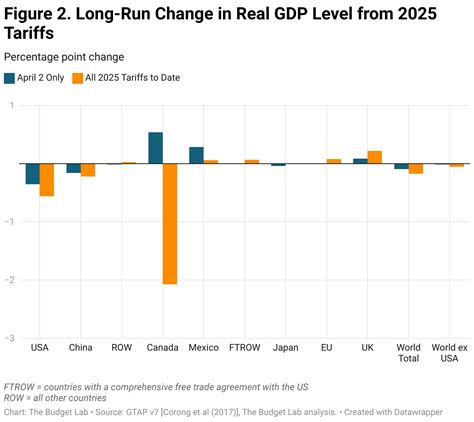
This summer was slated to be the long-awaited resurgence of American aviation post-pandemic. Instead, it’s veering into a perfect storm of cancellations, fare hikes, and safety anxieties, driven largely by the new 10% import tariff on aviation components. What was billed as a strategic national trade move is quickly unfolding into a full-blown industry emergency.
Trump’s Tariff Bomb Detonates Across the Skies
When the Trump administration reimposed aggressive tariffs on imported aviation parts in April, few foresaw just how rapidly the shock would reverberate. The Section 232 ruling, aimed at protecting domestic manufacturing under national security rationale, has backfired on the very infrastructure it aimed to bolster.
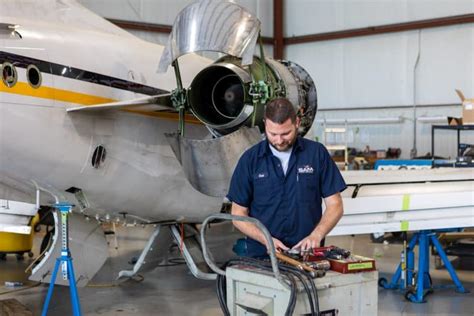
Major carriers are now hemorrhaging operational efficiency. Aircraft stuck in maintenance queues await grounded imports. New plane deliveries from Airbus and Boeing—both reliant on global suppliers—are delayed or canceled. Airlines, long accustomed to just-in-time delivery models for aviation parts, now face supply droughts that ripple across every touchpoint: from seat capacity to passenger comfort.
Delta Air Lines, for instance, has frozen planned Airbus A350 deliveries and is renegotiating contracts to avoid heavy penalties. American Airlines has completely withdrawn its Q2 forecast, citing supply volatility. Southwest, reliant on fleet uniformity for cost efficiency, is suspending cabin upgrades and reevaluating summer routes.
Mounting Costs and Shrinking Horizons
The financial implications are staggering. Aircraft maintenance vendors and OEMs are passing on increased costs, squeezing airlines already running on tight margins. Repair delays, part substitutions, and extended turnaround times are becoming routine.
- Frontier Airlines is already forecasting a second-quarter loss.
- United is trimming international routes once earmarked for expansion.
- American has paused a billion-dollar fleet modernization initiative.
Executives warn of an emerging safety infrastructure crisis. The complex ecosystem of inspections, component swaps, and preventive checks is not built for prolonged disruptions. While no airline has reported direct safety lapses, internal memos suggest deferred maintenance is becoming more common. “We are not compromising safety, but we are stretching timelines,” one senior operations officer at a major airline revealed.
Passengers Face the Consequences: A Fractured Travel Experience
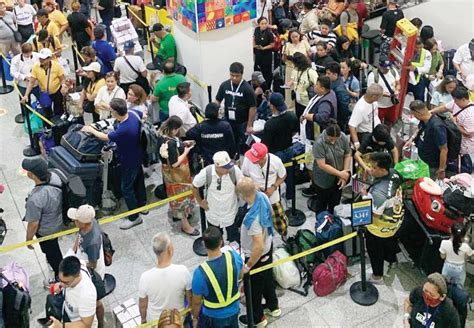
For travelers, the impact is immediate and visceral. Flight delays, cancellations, and fare spikes are the new norm. Key summer routes are being trimmed with little notice, particularly those serving secondary cities, vacation destinations, or international hubs. Those lucky enough to secure tickets often report crowded terminals, late departures, and minimal communication.
Ticket prices are surging. A New York to Paris roundtrip that cost $890 last summer now exceeds $1,300. Domestic holiday hotspots like Miami, Denver, and Las Vegas are seeing reduced frequency, pushing passengers to juggle multiple layovers or pay premium rates.
Even business travel is not immune. Corporate travel managers report logistical nightmares trying to navigate rerouted conference itineraries, missed meetings, and rising insurance premiums for flight cancellations.
The Broader Industry Breakdown: A Fragile Chain Reaction
This isn’t just an American problem. The International Air Transport Association (IATA) has downgraded 2025 profit expectations globally, now forecasting $36 billion instead of $45 billion—a move directly tied to U.S. tariff instability. Airlines worldwide that depend on U.S. manufacturing are reconfiguring delivery schedules, rerouting logistics, and rebalancing fuel hedges.
What’s worse, tensions between U.S. airlines and aircraft manufacturers are boiling over. Boeing and Airbus, both deeply intertwined with multinational suppliers, are pushing cost-plus models to pass on tariff expenses. Airlines, already burdened by razor-thin margins, are fighting back. The procurement standoff threatens to delay aircraft deliveries even further, exacerbating the crisis.
Section 232 Review: The Most Anticipated Decision in Aviation
Eyes across the industry now turn to the Commerce Department’s Section 232 review, expected in late June. This ruling could redefine the future of U.S. aviation policy. If exemptions are granted—especially for aviation-critical imports—airlines may find breathing room. If tariffs are ratcheted up, the result could be catastrophic.
Aviation lobby groups like Airlines for America and Aerospace Industries Association are ramping up pressure. They demand exemptions or extended comment windows, citing the strategic importance of a globally integrated aviation ecosystem. Behind closed doors, sources suggest high-stakes negotiations are underway involving White House advisors, airline executives, and trade policy architects.
U.S.–China Fragility Threatens Further Disruption
Adding further risk is the volatile relationship between the U.S. and China—particularly in the aviation sector. Boeing recently resumed aircraft shipments to China after years of diplomatic deadlock. Yet the arrangement is tenuous. If relations sour or retaliatory tariffs are levied, U.S. airlines could face restricted access to aircraft parts or even export blocks on existing aircraft orders.
Industry analysts caution that any breakdown could shutter transpacific expansion plans, increase aircraft financing costs, and further destabilize global airline alliances. In a climate already choked with uncertainty, diplomatic missteps could become operational catastrophes overnight.
Summer 2025 Outlook: Cautious, Costly, and Uncertain
For the average traveler, the next 90 days will define their flying experience. Airlines are rewriting summer schedules weekly. Route reductions, pricing models, and even aircraft configurations are being adjusted in real time.
Passengers should brace for:
- Increased fares, especially on long-haul and international routes.
- Diminished reliability, due to deferred maintenance and scheduling lags.
- Fewer flights, especially to less-trafficked destinations.
- Heightened security and safety measures, to calm growing unease.
Industry leaders continue to affirm their commitment to safety. However, internal resource reports indicate rising pressure on flight crews, technical staff, and airport logistics teams—many of whom now operate in prolonged crisis mode.
A Strategic Shift That Reshapes Aviation’s Future
This is more than turbulence—it’s a structural reckoning. The U.S. airline industry, once a global symbol of seamless travel and operational excellence, now stands as a frontline casualty in a geopolitical trade war.
Can the carriers withstand this seismic pressure? That hinges on how Washington moves in the coming weeks. Should the Commerce Department tighten tariffs further or delay exemptions, airlines may spiral deeper into retreat. Should exemptions be granted, a slow, cautious recovery could begin by late summer.
What’s certain is this: air travel will not look the same. Not this summer. Not next year. Possibly not for a generation.
The era of predictable flying is over. Welcome to the age of aviation uncertainty.