The Tariff Information Label (TIL) is a crucial element of modern energy management, helping consumers make informed decisions about their energy supply. With rising energy costs and the variety of tariffs available, a clear breakdown of charges has never been more important. The introduction of the TIL allows households and businesses to view all essential details about their energy plan in one simple, easily digestible format. In this article, we’ll explore what the Tariff Information Label is, why it’s important, and how to leverage it for cost-effective energy management.
What is a Tariff Information Label (TIL)?
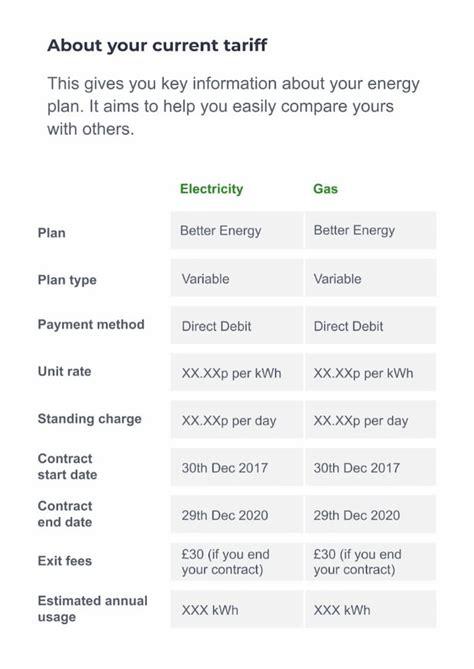
A Tariff Information Label (TIL) provides a detailed breakdown of the costs associated with an energy tariff, simplifying the process of understanding and comparing energy plans. Consumers typically find these labels on their annual statements, monthly bills, and through their energy supplier’s website. The purpose of the TIL is to present complex pricing data in a straightforward format, offering clarity on the various components that make up an energy bill. From unit rates to standing charges, it gives a comprehensive overview of energy costs, allowing consumers to assess whether their current tariff remains competitive.
For example, a TIL will typically include key details such as:
- Supplier’s name
- Tariff name
- Type of tariff (e.g., fixed or standard variable)
- Unit rate (cost per unit of energy, measured in kilowatt-hours or kWh)
- Standing charge (fixed monthly charge for maintenance)
- End date of tariff (if applicable)
- Exit fees (if applicable)
- Estimated annual usage (based on average consumption)
This ensures transparency and makes it easier to understand the pricing structure of the energy you consume.
Why Were Tariff Information Labels (TILs) Introduced?
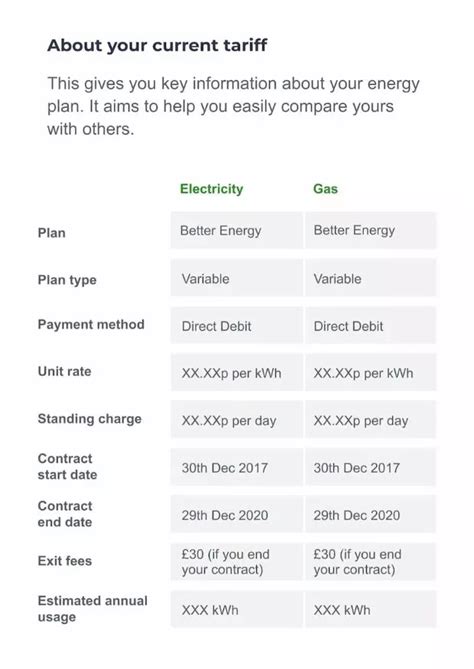
The concept of the TIL was introduced by Ofgem, the UK’s energy regulator, to help consumers gain clarity over the energy plans they are signed up to. With the energy market becoming more diverse and competitive, it became essential for individuals to be able to compare different tariffs quickly and easily.
Before the introduction of TILs, consumers often struggled to compare energy plans because pricing information was frequently buried within lengthy contracts or hidden behind complex jargon. The introduction of this standardized label makes it easier for consumers to compare tariffs across various suppliers, ensuring they aren’t overpaying for their energy.
Moreover, TILs provide an opportunity for consumers to assess whether switching energy suppliers could save them money or offer more favorable terms. As the cost of energy continues to rise, having this comparative tool is a major advantage.
Key Features of a Tariff Information Label (TIL)
To fully grasp the significance of a TIL, it’s essential to understand its key features and what information you can expect to find. A typical TIL includes the following elements:
- Supplier Name and Tariff Name: Identifies your energy provider and the specific tariff you are on.
- Tariff Type: Clarifies whether you are on a fixed rate tariff (where the price remains the same for a specified period) or a standard variable tariff (where the price can change based on market fluctuations).
- Unit Rate: The cost per unit (kWh) of gas or electricity consumed, which is critical in determining how much energy you are using and how much you’ll be paying.
- Standing Charge: A daily or monthly fee that covers the maintenance of the energy network and the costs of reading meters, etc. This charge is fixed, regardless of how much energy you consume.
- End Date of Tariff and Price Guarantee: For fixed-term contracts, this will show when the tariff ends, and if applicable, when the price guarantee expires.
- Exit Fees: If you are on a fixed-term contract, this will show any early exit fees you might incur if you decide to switch suppliers before the contract ends.
- Estimated Annual Usage: An estimation of your energy usage over a year based on average consumption data, providing a rough idea of how much you might pay annually.
How to Use Your Tariff Information Label (TIL)
The Tariff Information Label is designed to empower consumers by offering a transparent look at the costs involved in their energy supply. Here’s how you can use it effectively:
- Compare the Unit Rate: The unit rate is one of the most important factors in determining how much you will pay for energy. Lower unit rates are generally more cost-effective. However, be aware that a low unit rate might be offset by higher standing charges or other fees. Compare unit rates across different suppliers and tariffs to gauge which option provides the best value for your consumption.
- Examine the Standing Charge: Even though a tariff may appear cheaper based on its unit rate, a higher standing charge can make it more expensive overall. Pay attention to both elements when making your decision.
- Look for Hidden Costs (Exit Fees): Many suppliers impose exit fees for early contract termination. If you foresee needing to change suppliers, either because of moving home or other factors, make sure you account for these exit fees when comparing different tariffs.
- Understand Estimated Annual Usage: The estimated annual cost on a TIL is based on typical consumption, which may not reflect your actual usage. If your household or business consumes more energy than average, or if your property is poorly insulated, your costs may exceed the estimate. Use your own consumption data to calculate a more accurate annual cost.
Benefits of Using a Tariff Information Label (TIL)
The Tariff Information Label is an invaluable tool for managing your energy costs. Here are some of the primary benefits of using it:
- Transparency and Simplicity: A TIL provides clear, straightforward details on energy costs, which is especially useful for individuals who are not well-versed in energy billing terminology.
- Easy Comparison: With all relevant data laid out in a uniform format, it’s easier to compare different tariffs and make more informed choices.
- Informed Decision Making: Understanding your tariff breakdown helps you decide whether to switch suppliers, ensuring you aren’t overpaying or locked into an unfavorable contract.
What’s Not Included in a Tariff Information Label (TIL)?
While the Tariff Information Label provides a wealth of useful data, it does not include everything related to your energy service. Some benefits or rewards that might be offered by certain suppliers, such as cashback schemes or carbon offset initiatives, are not typically displayed on the label. These added benefits can affect the overall value of a tariff, so be sure to ask your supplier about them when reviewing your options.
Additionally, TILs do not include personalized information about how your energy usage compares to others or any custom recommendations that might help you reduce consumption. As such, while TILs provide essential cost breakdowns, they should be considered alongside other factors when making a decision about your energy supplier.
Conclusion: Making the Most of Your Tariff Information Label
In conclusion, the Tariff Information Label (TIL) is a powerful tool for consumers who want to manage their energy costs effectively. By offering a transparent breakdown of energy costs, including unit rates, standing charges, and exit fees, the TIL makes it easier than ever to compare tariffs and find the best energy deals available. By using the TIL to examine your current tariff and comparing it with other offerings, you can ensure that you are getting the best value for your energy use.
As energy prices continue to fluctuate, making informed decisions about your energy tariff can lead to significant savings. Whether you are reviewing your annual bill, considering switching suppliers, or simply trying to understand your current plan, the TIL is an essential resource in navigating the complexities of the energy market.